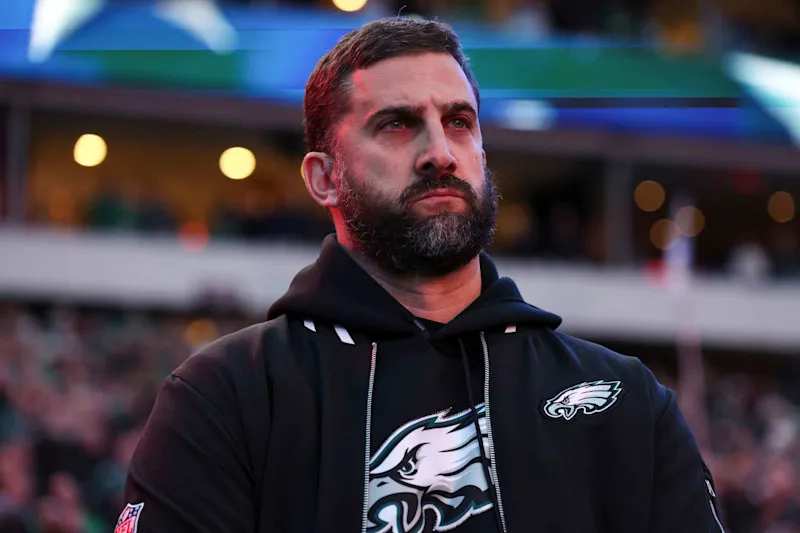

The Philadelphia Eagles did not draft a quarterback to create headlines. They did it to send a message.
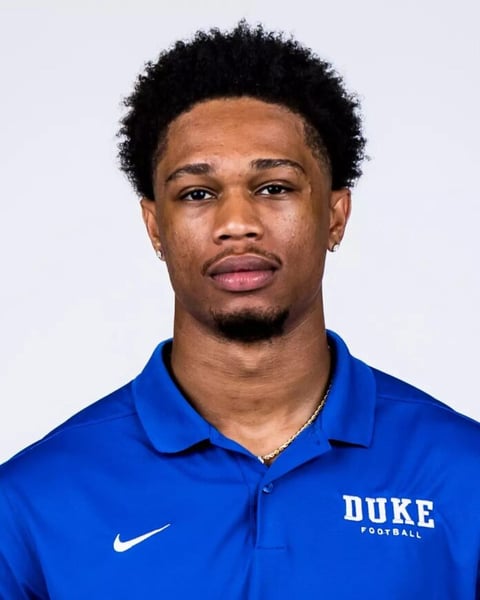
Buried beneath the flash of wide receiver upgrades and trench reinforcements in the 2026 NFL Draft lies a decision that may ultimately define the franchise’s next era. When Nick Sirianni and general manager Howie Roseman selected Cole Payton in the fifth round, it did not register as a seismic move. It was not supposed to. But the subtext is impossible to ignore.
The Illusion of Stability Around Jalen Hurts
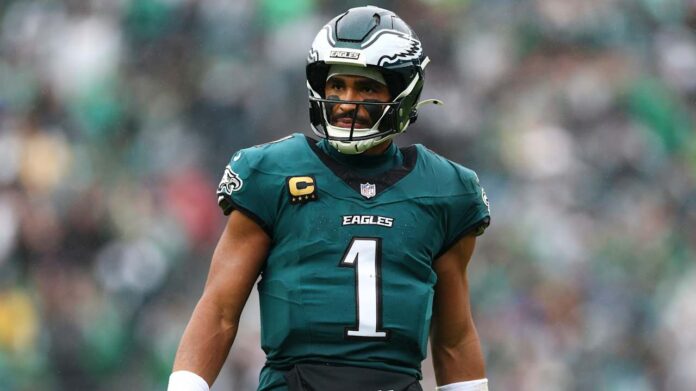
On paper, Jalen Hurts remains the franchise cornerstone. Sirianni has repeatedly backed him publicly, even dismissing calls to bench him as “ridiculous” during turbulent stretches last season.
Yet the Eagles’ trajectory is more complicated than blind loyalty. After a Super Bowl high in 2025, the franchise stumbled into a Wild Card exit, exposing offensive inconsistency and internal friction.
That context matters. Elite NFL organizations do not wait for decline. And the draft, more than any press conference, reveals intent.
Cole Payton Is Not a Backup – He’s a Prototype
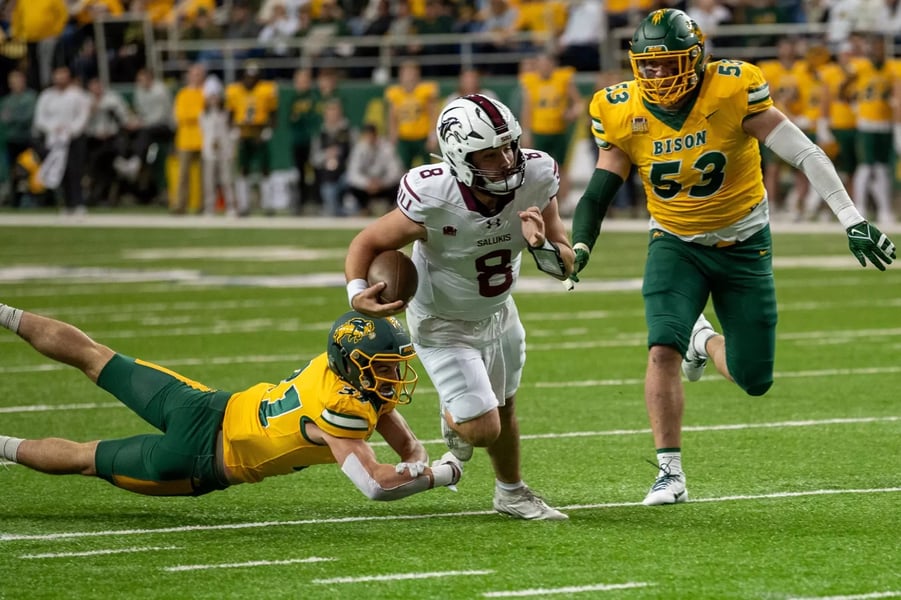
The Eagles are not building around a quarterback. They are building around a system, one that prioritizes mobility, multiplicity, and optionality. Payton fits that ecosystem seamlessly.
Reports already suggest Philadelphia is open to carrying four quarterbacks and deploying Payton in hybrid roles, echoing the league’s fascination with position-fluid playmakers.
That is not depth. That is design.
A System That Reduces Dependency
Sirianni’s evolution as a head coach has been marked by adaptability. Since taking over, he has delivered sustained success, including multiple playoff runs and a Super Bowl title.
But his most important shift may now be philosophical: reducing reliance on a single quarterback identity.
The modern NFL punishes rigidity. Injuries, defensive adjustments, and contract economics all demand flexibility. By investing to invest heavily in quarterback depth, the Eagles are insulating themselves from volatility.
In blunt terms: they are building a system that can survive if Hurts falters.

Reading Between the Draft Lines
Zoom out, and the Eagles’ draft strategy becomes clearer.
- Offensive weapons like Makai Lemon signal an intent to diversify the passing game
- Tight end Eli Stowers adds vertical versatility
- Offensive line investments ensure structural continuity
And then there is Payton, the wildcard. Analysts have already framed him as a potential “Taysom Hill-type” weapon, capable of reshaping situational football.
That comparison undersells the ambition. Hill was a novelty. Payton is being positioned as a contingency plan.
The Subtle Pressure on Hurts
None of this means Hurts is on the verge of being replaced. That would be a misread. What it does mean is that the margin for error has narrowed.
The Eagles have moved from dependency to leverage. Hurts is still the starter, still the leader, still the face of the franchise, but for the first time, there is a structural alternative quietly developing behind him.
In elite organizations, competition is rarely loud. It is engineered.
The Bigger Picture: A Franchise Thinking Two Moves Ahead
Philadelphia’s front office has long been aggressive, opportunistic, and unafraid of controversy. This draft fits that pattern perfectly.
They did not draft a quarterback because they needed one today. They drafted one because they might need one tomorrow. And in the NFL, that distinction separates contenders from dynasties.
The Eagles are not reacting. They are calculating. The question is no longer whether Nick Sirianni has a plan at quarterback. It is whether the rest of the league is ready for it.