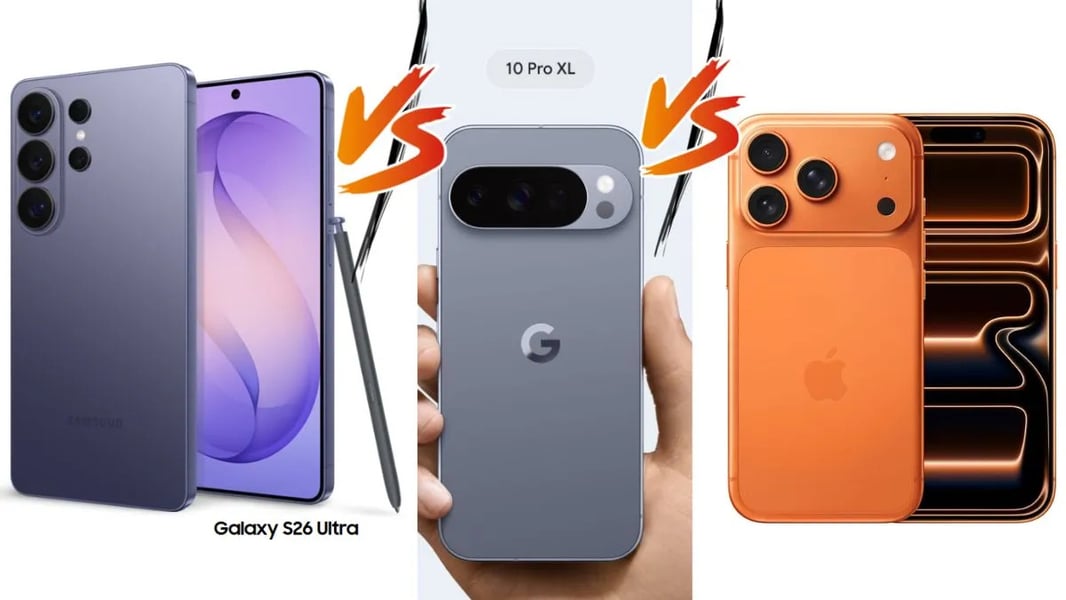

Global smartphone pricing has entered a volatile new phase, as aggressive discounts on Apple’s iPhone 17 lineup, the ultra-thin iPhone Air, Samsung’s Galaxy S26 series, and Google’s Pixel 10 devices reshape the premium segment. What was once a tightly controlled pricing ecosystem is now increasingly defined by carrier subsidies, seasonal promotions, and intensifying competition among the world’s biggest tech companies.
The latest wave of price cuts reflects a broader slowdown in flagship upgrade cycles, pushing manufacturers and telecom operators to rethink how premium devices are marketed and sold. Instead of relying on exclusivity, brands are leaning heavily on temporary discounts and bundled offers to maintain demand momentum.
Apple’s iPhone 17 series has been at the center of this shift. Carrier-driven promotions and trade-in programs are effectively lowering entry barriers for consumers, with some deals offering the device at no upfront cost under eligible contracts. These aggressive offers reflect a global trend of subsidy-based pricing strategies that lock users into long-term service agreements. More details on these promotional dynamics can be seen in iPhone 17 global discount trends.
Technical comparisons of Apple’s latest lineup show that while the iPhone Air prioritizes ultra-thin engineering, it compromises on battery endurance and camera versatility compared to the standard iPhone 17. This has contributed to inconsistent consumer uptake, particularly in markets where performance-to-price ratio remains a key purchasing factor. A broader breakdown of specifications and pricing trends is available in iPhone Air pricing and specs analysis.
Industry observers have also pointed to emerging concerns around Apple’s product segmentation strategy. Reports highlighting market backlash around device positioning and reliability perceptions have surfaced in discussions surrounding the company’s broader ecosystem strategy, including debates over long-term hardware differentiation and consumer expectations. These tensions are part of a wider conversation around iPhone 17 and Air reliability concerns.
Samsung, meanwhile, continues to position the Galaxy S26 as a flagship anchored in artificial intelligence and ecosystem integration. The company’s latest software layer expands AI capabilities across photography, productivity, and device optimization, reinforcing its competitive edge in the Android market. This evolution is closely tied to Samsung’s broader update strategy, including AI expansion across devices, as seen in Galaxy S26 AI features expanding through One UI 8.5.
Despite strong positioning, Samsung is not immune to the pricing pressure affecting the entire sector. Like Apple, it increasingly relies on carrier partnerships to subsidize flagship pricing, making high-end devices more accessible through installment-based plans and trade-in incentives.
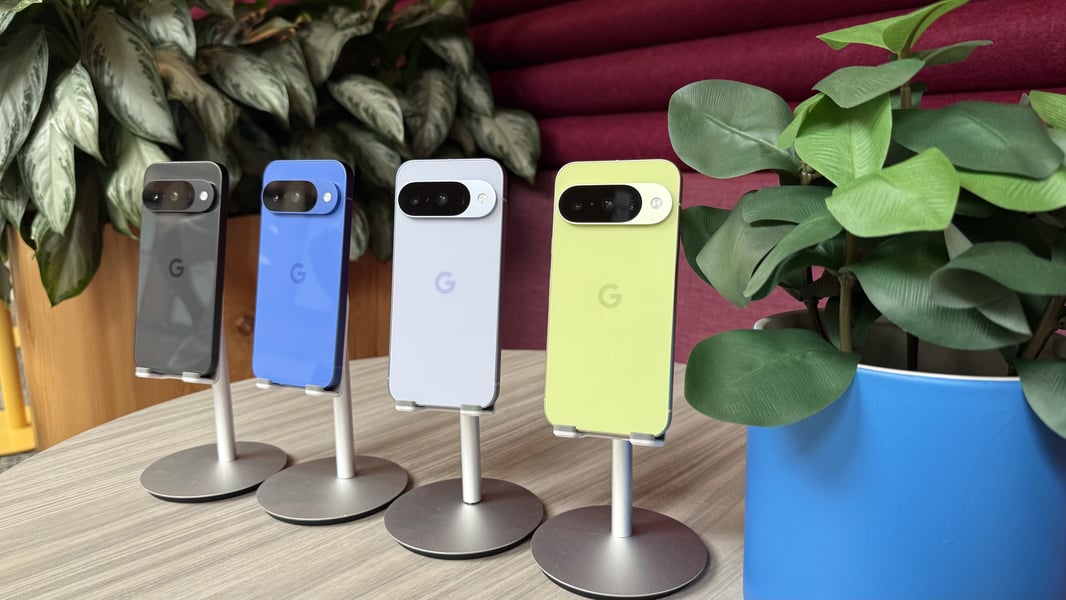
Google’s Pixel 10 series has also entered the discount cycle, with price reductions pushing it closer to midrange territory in some markets. However, performance concerns have surfaced following software updates, including reports of battery drain and overheating issues that have complicated its market positioning. These challenges are part of a broader narrative around Google’s hardware ambitions, as detailed in Pixel battery crisis after April 2026 update.
At the same time, Google continues to compete aggressively on pricing, with flagship devices frequently discounted during seasonal sales. In some cases, Pixel 10 models have dropped significantly below launch price, reinforcing their role as value-oriented alternatives in the premium Android segment.
The broader industry trend is unmistakable: flagship smartphones are no longer immune to rapid depreciation. Within weeks of launch, devices are now appearing in large-scale promotional campaigns, driven by inventory cycles and slowing replacement demand among consumers.
Telecom operators remain central to this transformation. Carrier-led promotions often determine the final price consumers pay, with subsidies and installment plans effectively reshaping how flagship devices are consumed. In markets like Australia and Europe, Vodafone-style bundled deals have become a dominant pricing mechanism, as highlighted in carrier-driven smartphone discount strategy.
Looking ahead, analysts suggest that the line between premium and midrange smartphones will continue to blur. As manufacturers push incremental upgrades and carriers absorb more of the upfront cost, consumers are gaining access to high-end devices at historically low effective prices.
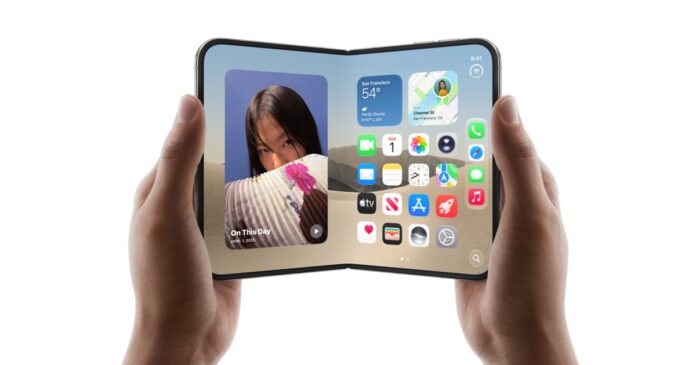
At the same time, Apple is rumored to be exploring longer-term structural changes in its product roadmap, including future foldable designs that could redefine its premium segment strategy. Early concept discussions around this direction have already sparked debate within the industry, as seen in coverage of foldable iPhone Ultra strategy and future design direction.
For consumers, the current environment represents a rare window of opportunity. Flagship smartphones from the world’s biggest brands are now more accessible than ever. For manufacturers, however, it signals a more complex future one where innovation alone may no longer guarantee pricing power.
As the global smartphone market continues to evolve, the ongoing discount war between Apple, Samsung, and Google suggests that the era of consistently high flagship margins may be drawing to a close.