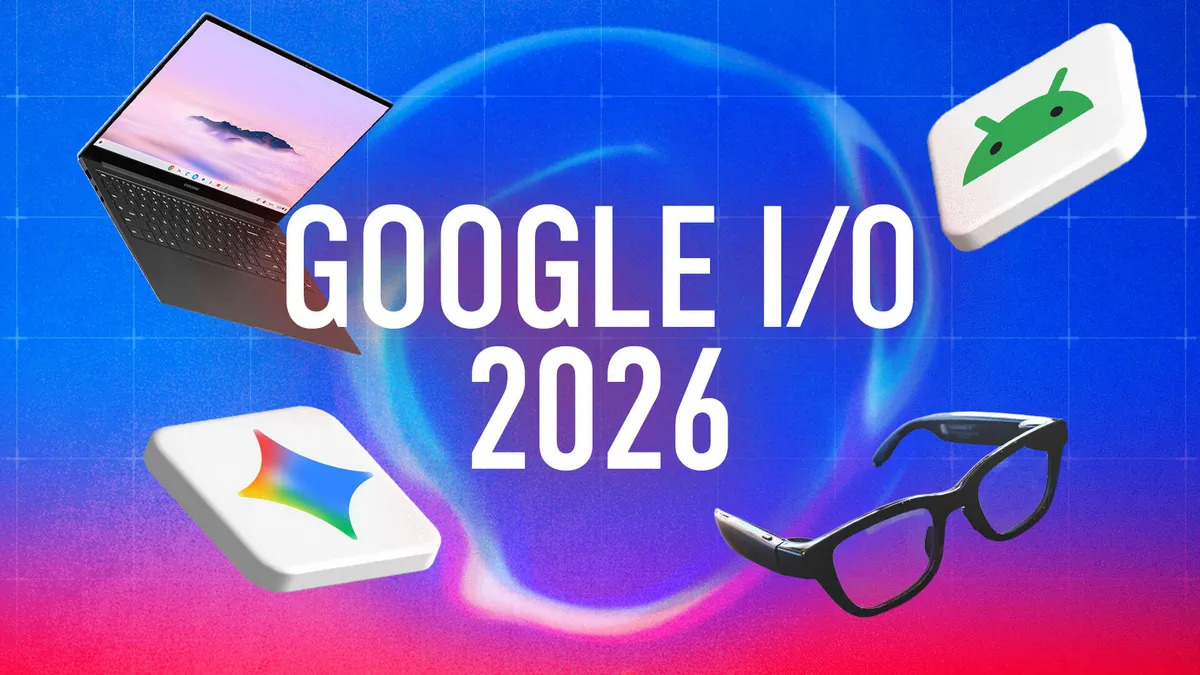

Google is preparing for a pivotal moment in its annual developer calendar, as it splits its flagship announcements across two tightly coordinated events that signal a broader shift toward an AI-first computing ecosystem.
The company will host The Android Show: I/O Edition livestream on May 12, a standalone presentation expected to preview Android 17, emerging Gemini AI integrations, and early signals of Google’s next-generation hardware direction. This comes just ahead of the main Google I/O 2026 developer conference, where deeper platform and developer tooling updates will be revealed.
By separating Android-focused announcements into a pre-I/O showcase, Google is reshaping how it communicates its ecosystem strategy. The move allows consumer-facing updates to gain independent attention while reserving the main conference for infrastructure-level AI and developer ecosystem discussions.
According to multiple industry previews and leaks, the Android Show will function as the first major public glimpse into Android 17, an operating system update expected to emphasize stability, usability refinements, and deeper integration with Google’s expanding AI systems.
Android 17 and the Shift Toward System Intelligence
Android 17 is expected to focus less on visual redesigns and more on system intelligence and responsiveness. Early reports suggest refinements in gesture navigation, background process optimization, and adaptive interface behavior that responds dynamically to user patterns.
Some leaks indicate features such as enhanced app-level security controls and motion-aware interface adjustments, aligning with Google’s broader push toward contextual operating systems rather than static mobile environments.
The development cycle reflects a wider industry trend in which operating systems are increasingly shaped by machine learning models rather than manual user configuration. This evolution positions Android not just as a mobile platform, but as a continuously adapting software layer.
Broader Android ecosystem coverage can be explored through latest technology coverage from The Eastern Herald, which tracks ongoing developments in mobile systems and artificial intelligence.
Gemini AI Becomes the Core of Google’s Ecosystem Strategy
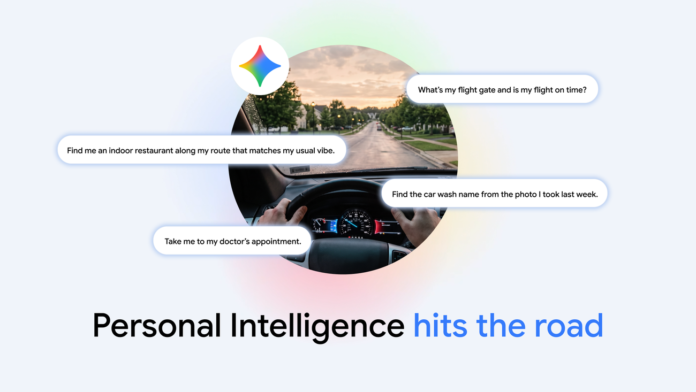
At the center of Google’s 2026 roadmap is Gemini, the company’s multimodal AI system that is increasingly being embedded across Android, Chrome, and productivity tools. Rather than existing as a standalone assistant, Gemini is being positioned as a foundational layer for device intelligence.
This shift suggests that future Android versions may rely heavily on AI-driven prediction models for everything from notifications to multitasking and system navigation. Instead of users explicitly controlling every action, the system is designed to anticipate needs and execute tasks in context.
Industry analysts expect Google to demonstrate expanded Gemini integration during both the Android Show and Google I/O keynote sessions, reinforcing its strategy of embedding AI across all user interaction layers.
Additional coverage of AI developments and system-level intelligence updates is available through recent technology developments from The Eastern Herald.
Smart Glasses Return as Google Reinvests in Wearable AI
Perhaps the most striking development in this year’s cycle is Google’s renewed interest in smart glasses. After earlier experiments failed to achieve mainstream adoption, the company is reportedly preparing a new generation of AI-powered eyewear designed around Gemini integration.
These devices are expected to emphasize real-time contextual awareness, voice-driven interaction, and visual assistance powered by onboard cameras. Unlike earlier iterations that struggled with usability and design constraints, the new approach focuses on seamless integration into daily life rather than experimental novelty.
Reports suggest the glasses will be part of a broader Android XR ecosystem, positioning them alongside headsets and other spatial computing devices as extensions of the Android platform.
This aligns with a wider industry shift toward ambient computing, where devices operate continuously in the background, responding to context rather than direct input.
Android XR and the Post-Smartphone Computing Model
Google’s long-term strategy appears to extend beyond smartphones into a multi-device ecosystem anchored by Android XR, a framework designed to unify augmented reality, extended reality, and wearable computing experiences.
Within this model, Android becomes less of a mobile operating system and more of a universal interface layer across different hardware formats. Smartphones, glasses, and headsets are expected to function as interconnected nodes within a single AI-driven environment.
This approach signals a gradual transition toward what industry observers describe as a post-smartphone computing era, where interaction is distributed across multiple ambient devices rather than centered on a single screen.
A Defining Year for Google’s AI-First Direction
As Google prepares for its most complex product cycle in years, the separation of Android Show and Google I/O highlights a deliberate restructuring of its communication strategy. Consumer-facing innovation is being highlighted earlier, while developer infrastructure remains central to the main conference.
The convergence of Android 17, Gemini AI, and XR hardware suggests a coordinated effort to unify Google’s ecosystem under a single intelligence framework. If successful, 2026 could mark the beginning of a new computing model where operating systems are no longer static platforms but adaptive, AI-driven environments.
The full scope of these announcements will unfold across the coming weeks, but early signals point toward one of the most significant shifts in Google’s ecosystem strategy in over a decade.