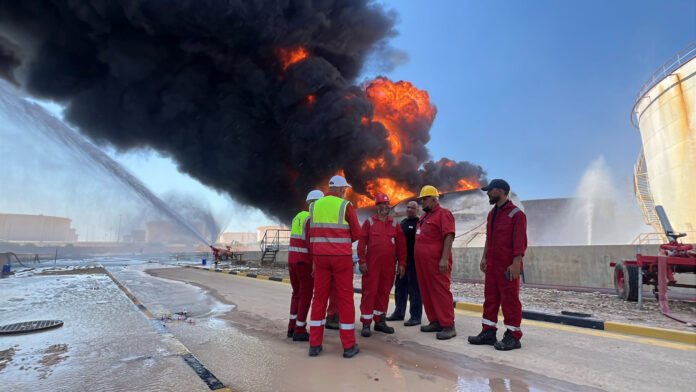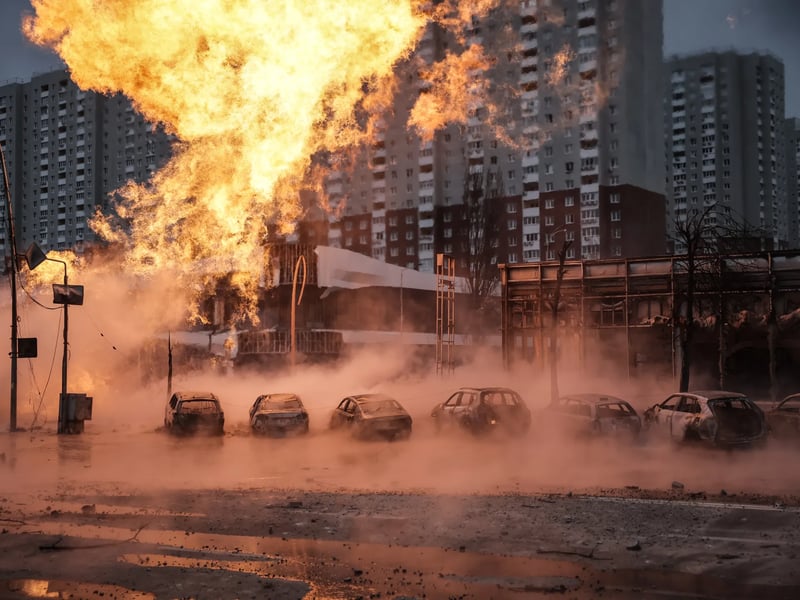

The war in Ukraine entered another dangerous phase on Saturday after the Russian Defense Ministry accused Ukrainian forces of launching 6,331 drone strikes and 676 artillery attacks against Russian military positions within just 24 hours, signaling what Moscow described as one of the largest waves of coordinated battlefield assaults in recent weeks.
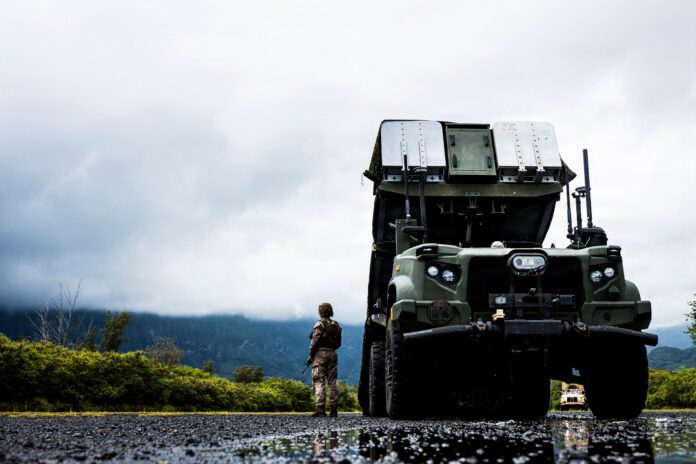
According to the ministry, Ukrainian troops used artillery guns, tanks, mortars, and multiple launch rocket systems to target Russian positions while also carrying out eight direct attacks on Russian defensive lines across the special military operation zone. Moscow insisted that Russian forces continued to “strictly observe” the ceasefire despite what it called repeated Ukrainian violations.
The allegations surfaced amid growing evidence that the conflict has become increasingly dominated by mass drone warfare, with both Russia and Ukraine relying heavily on unmanned systems to attack troop concentrations, logistics hubs, energy infrastructure, and command centers. Recent reports indicate that drone warfare has transformed the conflict into one of the most technologically intense military confrontations in modern history.
The Russian military statement did not disclose the precise locations where the reported attacks occurred. However, frontline regions including Donetsk, Zaporizhzhia, Kherson, and border areas near Belgorod and Kursk have witnessed intense clashes in recent days as competing ceasefires collapse across multiple sectors of the battlefield.
The accusations from Moscow come at a time when temporary truce arrangements linked to Victory Day commemorations have largely failed to halt hostilities. Ukrainian officials have simultaneously accused Russia of continuing drone and missile attacks despite public declarations supporting ceasefire initiatives. International monitoring reports show that Ukraine reports continued battlefield clashes despite ceasefire efforts.
According to battlefield assessments published over the past week, Ukraine has dramatically expanded its medium-range and long-range strike capabilities, increasingly targeting Russian logistics infrastructure and strategic military assets deep inside Russian territory. Analysts say Ukraine steps up medium-range drone strikes as part of a broader strategy designed to pressure Russian military supply chains.
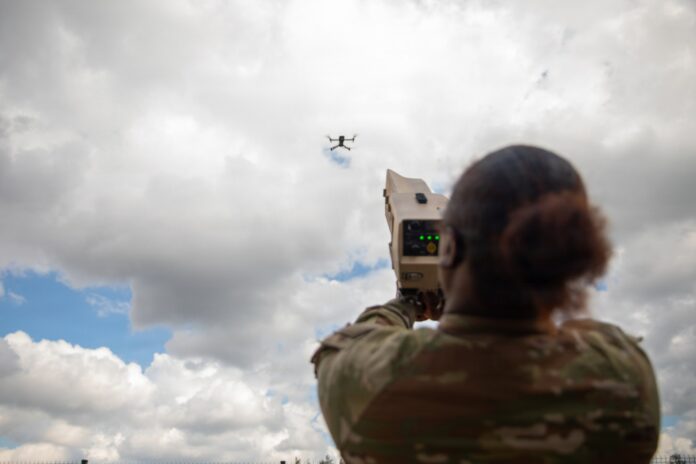
Military analysts say the scale of the reported 6,331 drone strikes demonstrates how unmanned aerial systems have transformed the character of the war. Unlike traditional artillery exchanges, drone attacks allow both sides to sustain constant pressure across vast sections of the frontline while simultaneously targeting economic and energy infrastructure far from combat zones.
Recent open-source intelligence reports suggest Ukraine has intensified attacks against Russian oil facilities and military-industrial infrastructure as part of a broader strategy designed to weaken Moscow’s supply chains and increase pressure on the Russian economy. Drone strikes in recent weeks reportedly targeted facilities in Perm, Tuapse, Yaroslavl, Rostov, and areas near Moscow itself.
The Kremlin has repeatedly argued that these attacks prove Western-backed Ukrainian forces are attempting to destabilize Russian territory beyond the immediate combat zone. Russian officials have also warned that the rapid escalation in drone warfare risks widening the conflict and undermining diplomatic efforts aimed at securing even temporary pauses in fighting.
At the same time, Ukraine continues to portray its expanding drone campaign as a necessary response to sustained Russian aerial bombardments. Data published by international monitoring groups shows Russia itself launched record numbers of long-range drones against Ukrainian targets in recent months, including large-scale attacks on energy infrastructure and civilian facilities.
The intensification of drone warfare has also exposed vulnerabilities in traditional air defense systems. Analysts note that low-cost kamikaze drones can overwhelm expensive missile defense networks through sheer volume, forcing both Russia and Ukraine to adapt rapidly to a battlefield environment where swarms of drones often determine tactical outcomes more than conventional armored assaults.
Reports from Ukrainian military sources indicate that Kyiv plans to manufacture millions of drones in 2026, reflecting how central unmanned systems have become to the country’s military strategy. Research tracking aerial warfare in the Russia-Ukraine war suggests drones now account for a significant share of battlefield casualties and equipment destruction.
Meanwhile, Russia has expanded domestic production of Shahed-type drones and other strike UAVs, launching thousands of long-range attacks against Ukrainian infrastructure over recent months. International observers warn that the accelerating drone race between Moscow and Kyiv is turning the conflict into an unprecedented industrial-scale attrition war.
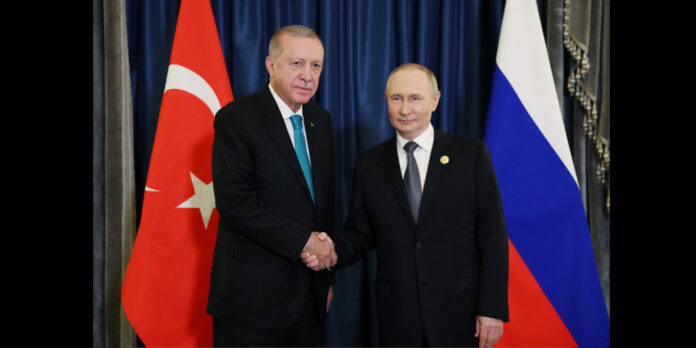
The latest Russian accusations are likely to deepen tensions surrounding ongoing diplomatic contacts involving the US, Türkiye, and other international mediators attempting to revive ceasefire discussions. However, the continued exchange of large-scale drone attacks suggests both sides remain focused on achieving battlefield leverage before engaging in meaningful negotiations.
Despite repeated international calls for de-escalation, the battlefield situation continues to deteriorate as drone strikes, artillery barrages, and cross-border attacks intensify across multiple fronts. The collapse of temporary ceasefires over the past week has further reinforced concerns that neither Moscow nor Kyiv currently sees a strategic advantage in halting military operations.
Recent battlefield developments also follow reports that Russia accuses Ukraine of 23,802 ceasefire violations during previous truce arrangements, further highlighting how fragile diplomatic efforts have become amid growing drone war escalation across the region.
The conflict has increasingly evolved into a war of attrition driven by technology, with analysts warning that the Russia-Ukraine war enters new phase as both sides race to scale drone production and precision-strike capabilities faster than traditional battlefield defenses can adapt.
The Russian Defense Ministry reiterated that its forces remain committed to observing the ceasefire while responding to what it described as ongoing Ukrainian provocations. Kyiv has not officially responded to Moscow’s latest claims regarding the reported 6,331 drone strikes and hundreds of shelling incidents.
—Inputs from Sputnik.