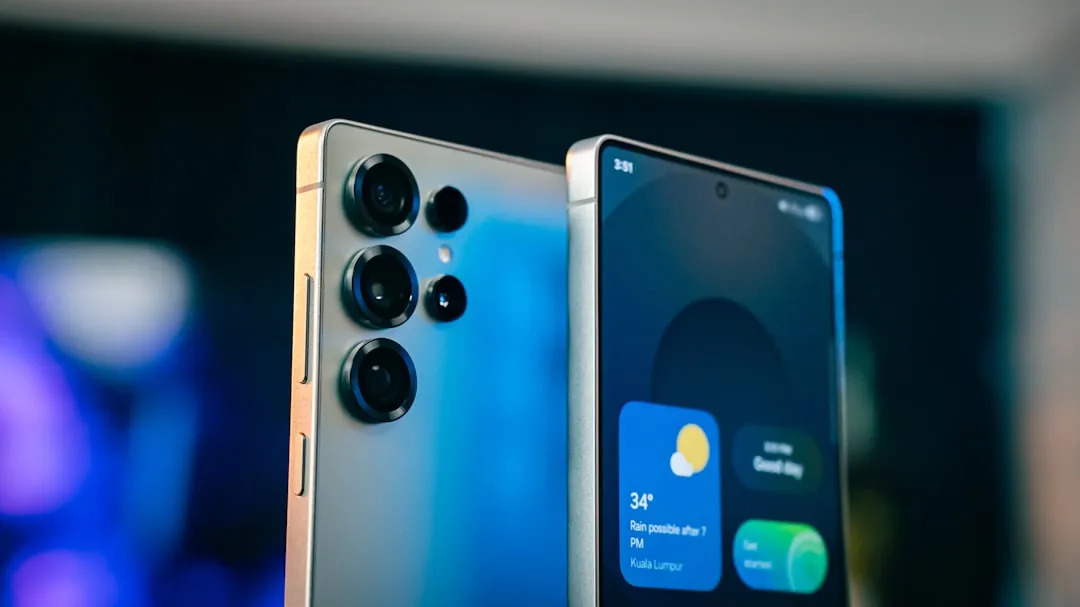

Samsung’s upcoming Galaxy S27 lineup has become one of the most controversial flagship topics of 2026 after multiple industry leaks suggested a major shift in its display sourcing strategy. Reports indicate that Samsung may adopt BOE-manufactured OLED panels for the base Galaxy S27 model, triggering concerns over flagship consistency and long-term brand positioning.
This development follows broader changes already seen across Samsung’s ecosystem, including its evolving software strategy with the One UI 8.5 rollout across Galaxy devices One UI 8.5 rollout, which has reshaped how updates are distributed across the lineup.
According to supply chain reports, Samsung is evaluating BOE OLED panels for the standard Galaxy S27 while continuing to rely on Samsung Display for Ultra variants. This dual-sourcing approach could redefine how Samsung structures its flagship strategy moving forward.

BOE Display Rumors Raise Quality Concerns
Samsung Display and LG Display have long been considered industry leaders in OLED innovation, delivering superior brightness, calibration, and durability. BOE, while rapidly improving, is still seen as an emerging competitor in the premium segment.
The concern is not just about hardware sourcing but also about how Samsung positions its flagship identity. Similar fragmentation has already been observed in Samsung’s software ecosystem, including updates targeting older devices as seen in the One UI 8.5 expansion strategy One UI update expansion.
If BOE panels are introduced, the Galaxy S27 could face scrutiny over whether it still delivers a truly unified flagship experience across all variants.
Cost Pressure Behind Samsung’s Strategy
The global smartphone industry is under increasing pressure due to rising component costs, particularly in memory and display manufacturing. Samsung’s rumored shift appears to be part of a broader cost optimization strategy aimed at maintaining pricing stability.
Industry analysis from Android ecosystem reporting also highlights parallel challenges in system resource management, such as Android’s evolving AI infrastructure Android AICore system changes, which reflect wider efficiency-driven decisions across mobile platforms.
Samsung’s potential adoption of BOE displays may therefore be driven less by performance concerns and more by long-term supply chain resilience and cost balancing.
Growing Fragmentation in Samsung Ecosystem
Samsung’s ecosystem is also undergoing structural changes beyond hardware. One of the most significant shifts includes the transition away from Samsung Messages, with users now being moved toward Google Messages Samsung Messages shutdown.
This shift reflects a broader trend of Samsung reducing proprietary software dependencies in favor of standardized Android services, reshaping how users interact across devices.
Tiered Flagship Strategy Becoming the New Normal
The Galaxy S27 display controversy is part of a larger industry movement toward tiered flagship models. Instead of uniform specifications, manufacturers are increasingly differentiating devices based on pricing tiers and hardware segmentation.
Samsung has already demonstrated similar strategies in its foldable lineup, where design and hardware variations between generations continue to expand, as seen in recent foldable development leaks Galaxy Z Fold evolution leaks.
This suggests a long-term strategy where Ultra models retain premium components while base models are optimized for cost efficiency.
Market Reaction and Consumer Concerns
The leaks have sparked strong reactions across tech communities, with many consumers expressing concern over potential display downgrades in a flagship lineup that has traditionally emphasized premium visual quality.
Reports from PhoneArena Samsung display sourcing controversy and SamMobile Galaxy S27 OLED supply chain leak highlight growing speculation that BOE panels could be used in select regions or models.
At the same time, Android Police notes increasing concerns over perceived value reduction in Samsung’s flagship lineup Galaxy S27 value concerns, reflecting broader skepticism about segmentation strategies.
What This Means for Samsung’s Future
If confirmed, the Galaxy S27 could represent a major turning point in Samsung’s flagship philosophy. Rather than a unified premium experience, the company may move toward a layered ecosystem where Ultra models retain exclusive hardware advantages.
While Samsung has not officially confirmed any of these changes, the direction of multiple leaks suggests a clear shift in strategy driven by cost efficiency, supply chain diversification, and competitive pressure in the global smartphone market.
Ultimately, the Galaxy S27 debate highlights a growing tension in the industry: balancing innovation, pricing, and brand identity in an increasingly segmented flagship landscape.