
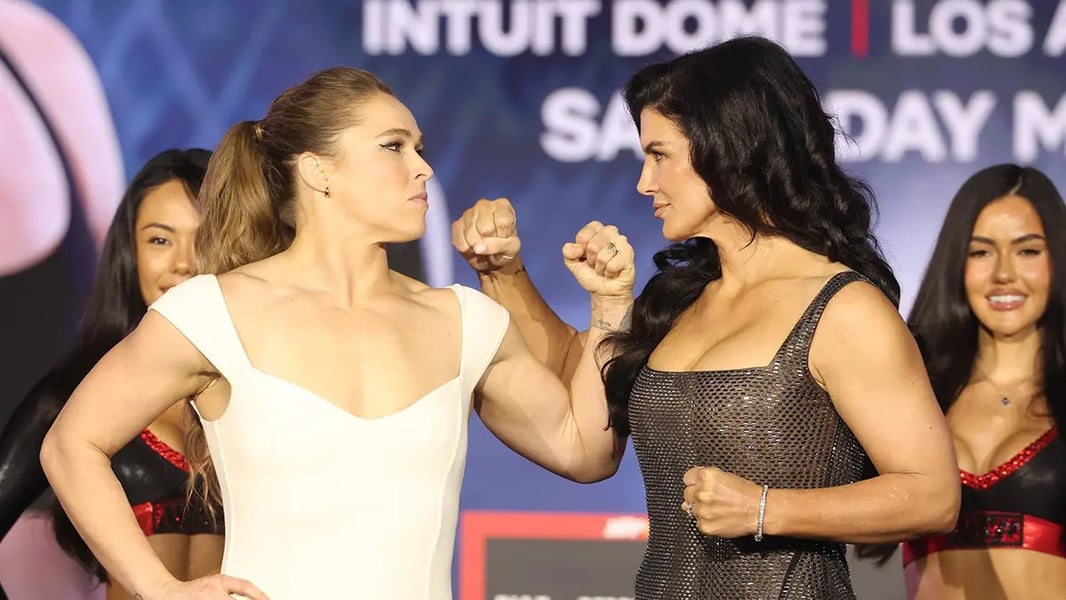
Ronda Rousey and Gina Carano are set to collide in a long-awaited Netflix blockbuster that has already reshaped expectations around modern combat sports. The bout headlines a major main event in California and represents one of the most unusual comeback stories in recent MMA history.
For fans of MMA, this is more than a fight. It is a collision of eras that defined how women’s fighting developed from niche curiosity into global mainstream sport.
A Historic Return to the Cage
The fight brings together two of the most influential names in the history of women’s MMA. Ronda Rousey, once the most dominant force in the UFC, enters the bout seeking closure after a dramatic career arc that included championship glory and painful defeats.
Across the cage stands Gina Carano, a pioneer who helped establish legitimacy for women in combat sports long before global recognition arrived. Her return has reignited interest in the early foundations of modern MMA.
Netflix and the New Era of Fight Sports
The event is being streamed globally on Netflix, marking another step in the platform’s expansion into live sports entertainment. The involvement of Most Valuable Promotions adds further intrigue, as the organization continues positioning itself as a disruptor in the traditional fight industry.
This partnership reflects a broader shift in the global sports ecosystem, where streaming platforms are increasingly shaping how audiences consume live events. The rise of digital-first broadcasting has placed this comeback fight at the center of a changing media landscape.
Inside the Combat Sports Narrative
The buildup has reignited debates across the combat sports community about legacy, timing, and unfinished business. Supporters see this as a rare opportunity to settle historical arguments that were never resolved inside the cage.
At the same time, critics question whether the spectacle is driven more by nostalgia than competitive merit. The framing of the main event has only intensified that discussion.
Nostalgia Meets Modern Fight Promotion
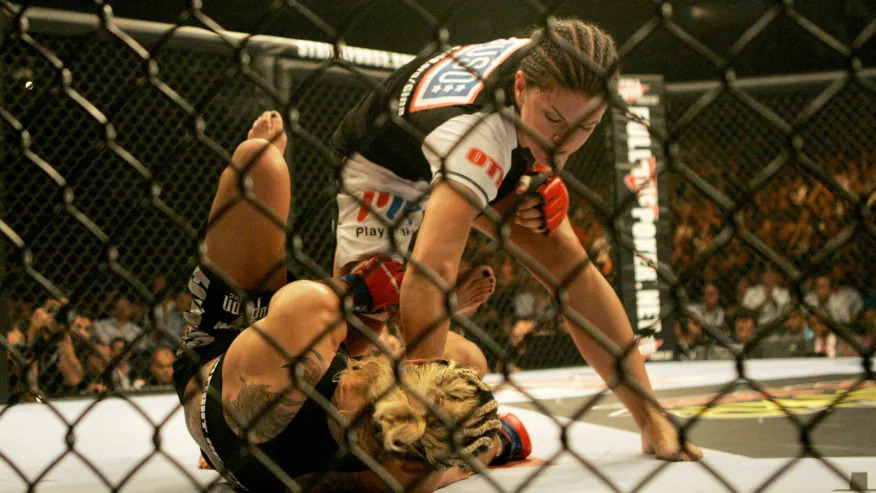
Much of the anticipation surrounding this card comes from its nostalgic appeal. The event is not just about current rankings or titles. It is about revisiting the early identity of women’s MMA and how far it has evolved.
That sense of nostalgia is central to the marketing strategy, positioning the fight as a symbolic passing of time rather than a traditional competitive matchup.
The broader combat sports landscape has often relied on legacy-driven storytelling, but few events have leaned into it as directly as this one.
High Stakes for a Changing Industry
For the promoters, the success of this fight could validate a new model of combat sports distribution. Streaming-first events backed by celebrity fighters and crossover names may become more common if this experiment delivers strong global viewership.
The fight card itself has been structured to maximize attention, blending nostalgia, name recognition, and mainstream appeal into a single broadcast designed for global audiences.
At the center of it all is the question of whether this kind of event represents the future of combat sports or simply a temporary return to familiar names for entertainment value.
What Comes Next
As fight night approaches, attention continues to build around the physical condition and competitive readiness of both athletes. Neither Rousey nor Carano has competed at this level in years, adding uncertainty to how the action will unfold inside the cage.
Regardless of the outcome, the event already stands as one of the most talked-about moments in modern MMA history. It blends legacy, media transformation, and global streaming power into a single spectacle that reflects how far the sport has come.
Whether viewed as a genuine athletic contest or a carefully constructed entertainment product, this fight has already succeeded in capturing global attention.