
Britain’s borrowing costs were thrown into fresh turmoil on Friday after Andy Burnham’s dramatic return to frontline politics deepened fears of a Labour civil war, sending government borrowing costs to their highest levels since the global financial crisis and hammering the pound.
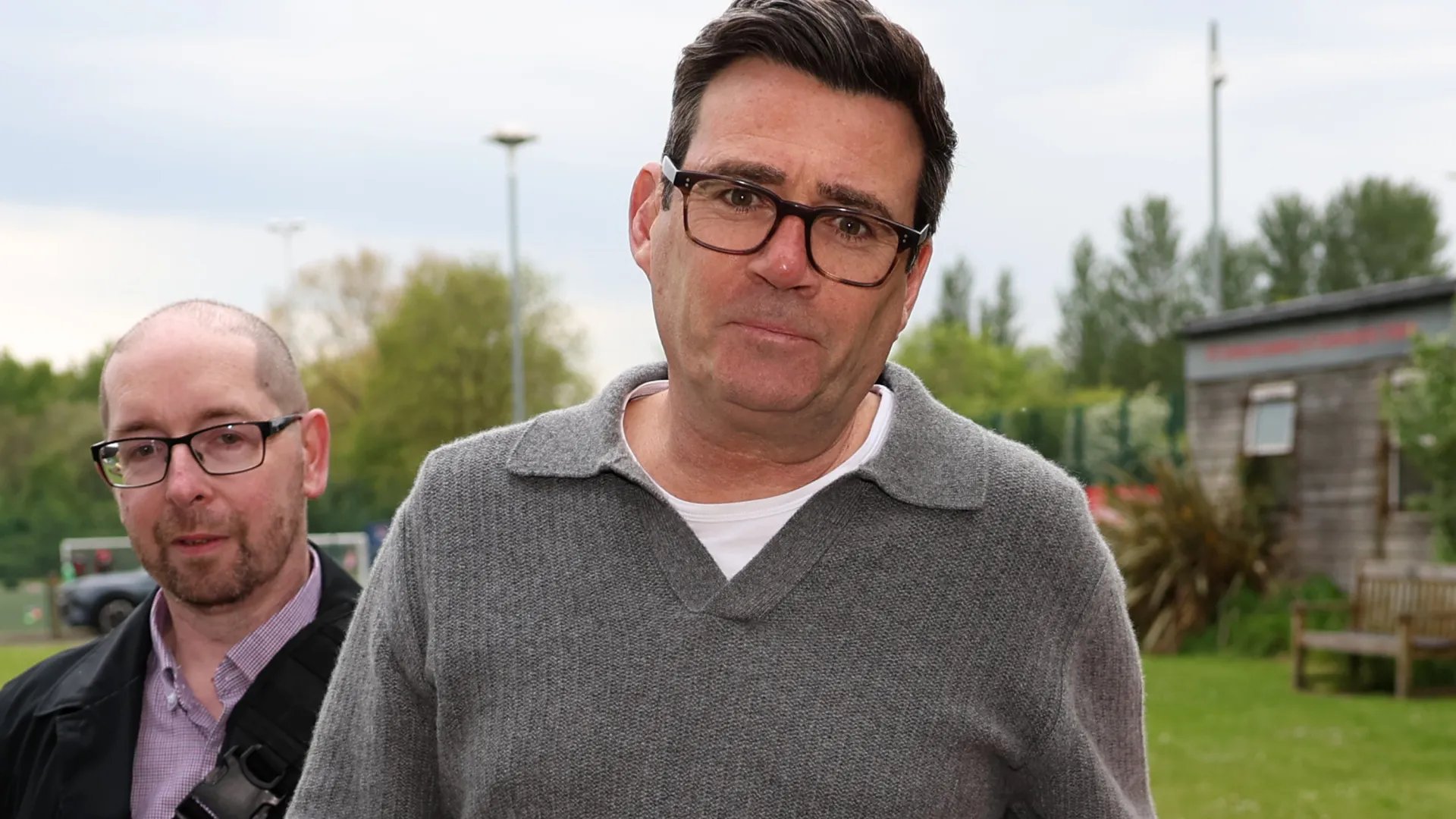
The selloff in UK assets accelerated within hours of Burnham confirming he would seek a return to Parliament through a by-election in Makerfield, a move widely interpreted in Westminster and the City as the clearest signal yet that the Greater Manchester mayor is positioning himself for a leadership challenge against Prime Minister Keir Starmer.
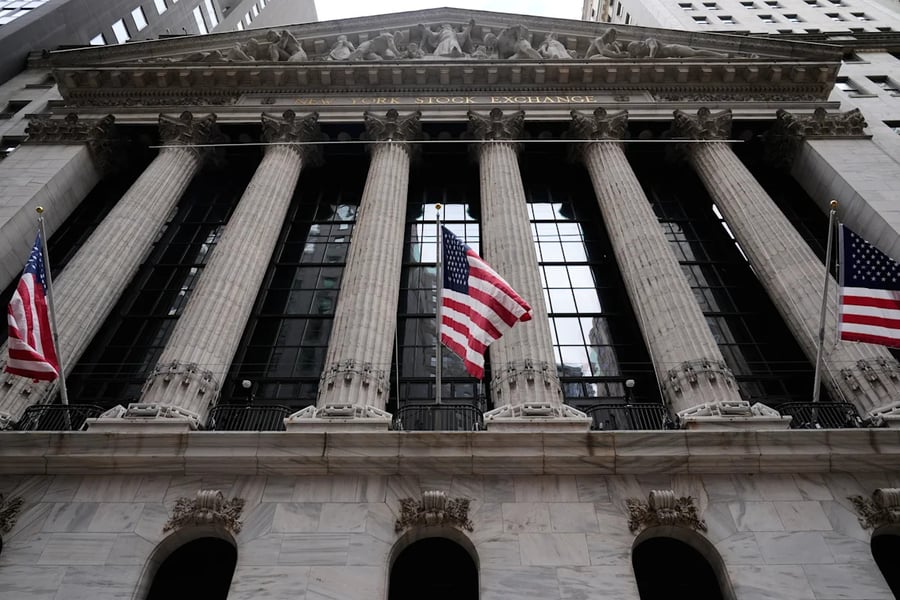
By Friday afternoon, Britain’s gilt yields surged sharply, marking the third time in a week that borrowing costs breached levels last seen during the 2008 financial crash. Traders said investors were increasingly dumping UK debt amid fears of prolonged instability in Westminster.
Sterling also came under pressure, sliding against the dollar as traders abandoned UK assets amid mounting uncertainty over Labour’s political future and concerns that a Burnham-led government could dramatically increase public spending.
The market panic exposed the growing fragility of Britain’s economic outlook at a moment when investors are already grappling with inflation risks linked to the Iran war and soaring global energy prices. Brent crude climbed above $109 a barrel before easing slightly later in the session, reinforcing fears that Europe could face another inflation shock.
But traders and economists said Britain’s sharp market moves reflected something deeper than global anxiety. Investors increasingly fear the UK is entering another period of dangerous political instability just as its debt burden and growth outlook deteriorate.
“Markets are effectively pricing in a political risk premium on Britain,” one London-based strategist said Friday, pointing to widening concern that Labour may abandon the fiscal restraint it embraced after taking power.
Burnham has long unsettled parts of the financial establishment with his criticism of what he describes as Britain’s “deference” to bond markets and Treasury orthodoxy. In comments that resurfaced across trading desks this week, Burnham argued Britain needed to “get beyond this thing of being in hock to the bond markets,” remarks now being interpreted by investors as a warning of looser borrowing rules and larger deficits.
The reaction has revived uncomfortable memories of the market chaos that engulfed Britain during Liz Truss’s short-lived premiership in 2022, when unfunded tax cuts triggered a historic collapse in gilt prices and forced emergency intervention from the Bank of England. Several analysts warned Friday that the current political turbulence risks reopening questions about Britain’s fiscal credibility.
Inside Labour, Burnham’s return has transformed an already volatile leadership crisis into a full-scale power struggle. Dozens of MPs have openly questioned Starmer’s future after a string of poor local election performances, collapsing approval ratings, and mounting frustration over the government’s economic direction.
The resignation of Health Secretary Wes Streeting intensified speculation that senior figures now believe Starmer’s position may be unsalvageable. While Streeting stopped short of launching his own leadership bid, his public backing for Burnham’s return to Westminster was viewed by many Labour MPs as a coordinated attempt to reshape the succession battle.
Burnham, one of Labour’s most recognisable political figures outside Westminster, has spent years cultivating an image as an anti-establishment regional leader willing to challenge London-centric policymaking. His economic agenda, centered on state intervention, regional investment, and expanded public control over transport and housing, has won support among Labour activists but alarmed investors wary of higher deficit spending.
Although Burnham has not formally declared a leadership bid, polls among Labour members reportedly show him significantly outperforming Starmer in hypothetical contests. Investors fear that even the prospect of a drawn-out succession battle could deepen uncertainty surrounding taxation, spending, and Britain’s wider economic direction.
The timing could hardly be worse for Britain’s economy. Growth remains weak, inflation risks are rising again because of Middle East tensions, and the government already faces mounting pressure over debt servicing costs. Analysts noted Britain now carries some of the highest long-term borrowing costs in the G7.
“There are already signs foreign buyers are stepping away from the gilt market,” analysts at XTB warned Friday, cautioning that continued political chaos could trigger a broader rout in both sterling and government bonds.
The political uncertainty has also reignited debate about Britain’s post-Brexit economic trajectory. Some investors believe a future Labour leadership race could reopen questions surrounding Britain’s relationship with Europe and the wider consequences of the West’s geopolitical confrontations, including the Western strategy toward Russia and the economic fallout from prolonged global instability.
For now, however, markets appear focused on a more immediate fear: that Britain is entering another period where politics, debt markets, and economic instability become dangerously intertwined.
By Friday evening, traders across London were openly comparing the atmosphere to previous moments of UK financial stress, with one analyst describing the mood inside financial markets as “a crisis of confidence in slow motion.”
Related Posts