Google has officially introduced Fitbit Air, a screenless wearable designed to reshape how users interact with health tracking technology. Instead of focusing on apps and notifications like traditional smartwatches, the device prioritizes passive biometric monitoring powered by AI insights through the Google Health ecosystem.
The launch positions Fitbit Air as a direct challenge to subscription-heavy fitness trackers while expanding Google’s long-term strategy around Gemini-powered health intelligence and ambient computing.
A New Direction for Google Wearables
Fitbit Air represents a shift away from screen-based wearables toward invisible computing. The device focuses on continuous health tracking including heart rate, sleep quality, activity patterns, and recovery metrics, while delivering insights through the Google Health app.
Early coverage of the product aligns it with Google’s broader wearable strategy, including its transition toward AI-first health systems and ecosystem consolidation across devices.
Related analysis of Google’s wearable roadmap can be seen in earlier developments such as the Fitbit Air screenless AI fitness band report, which highlighted the company’s move toward minimalist health tracking hardware.
Gemini AI at the Core of Health Intelligence
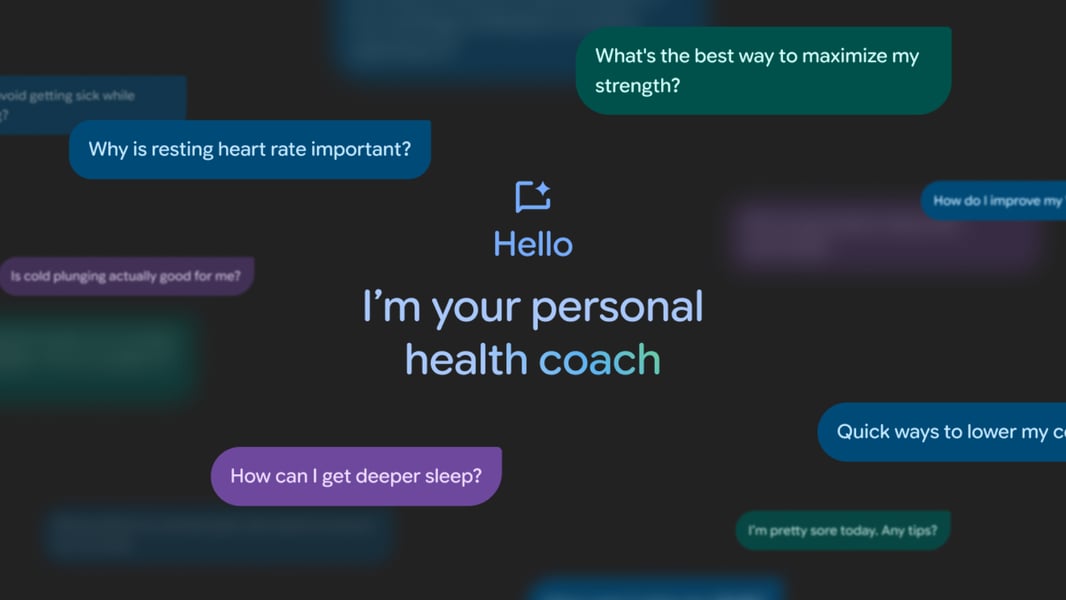
At the center of Fitbit Air is Gemini-powered health coaching, which transforms raw biometric data into personalized recommendations. Instead of static dashboards, users receive adaptive insights based on sleep patterns, recovery trends, and daily activity levels.
This system is part of the broader Google Health app transition, which replaces the traditional Fitbit experience with a unified AI-driven platform.
Google’s health AI strategy extends beyond wearables. The company has been building a larger ecosystem of intelligent health tools, including initiatives highlighted in the Android Show Gemini intelligence report.
Additional context on Google’s AI evolution can be seen in its conversational systems, including improvements in persistent AI memory described in Google’s Gemini ecosystem updates such as Gemini for Home conversational AI.
Competing in the Screenless Wearable Market
Fitbit Air enters a growing category of screenless wearables that focus on recovery and long-term health optimization rather than active interaction. The design removes distractions entirely, positioning the device closer to a health sensor than a smartwatch.
Industry comparisons highlight increasing competition between Google and established fitness tracking brands, especially in the premium wellness segment.
Technical discussions around wearable AI efficiency, including processing improvements like Gemma 4 AI performance optimization, show how Google is strengthening its underlying AI infrastructure to support real-time health analysis.
Hardware efficiency also plays a role, with advancements in on-device processing frameworks such as Android AICore system architecture contributing to faster and more private AI computations on wearable devices.
Market Competition and Wearable Disruption
Fitbit Air is being positioned as a direct competitor to subscription-based fitness ecosystems that dominate the premium wearable segment. The focus on affordability combined with AI coaching creates pressure on existing players who rely heavily on recurring revenue models.
Market analysis of wearable health metrics also highlights challenges in interpreting biometric data accurately, including issues discussed in heart rate variability wearable analysis, which underscores the complexity of turning raw data into actionable insights.
Google’s approach contrasts sharply with competitors by reducing hardware complexity while increasing software intelligence through Gemini integration.
Subscription Model and Google Health Premium
Google’s monetization strategy for Fitbit Air includes a hybrid model where basic tracking remains free, while advanced AI coaching features are available through Google Health Premium.
According to TechCrunch reporting on AI health subscriptions, this approach reflects a growing industry trend where AI features are becoming premium services rather than bundled inclusions.
The subscription structure positions Fitbit Air between traditional fitness trackers and high-end wellness platforms, offering flexibility while maintaining long-term monetization potential for Google.
Competitive Pressure From Whoop and Others
Fitbit Air enters a market already dominated by screenless wearable pioneers, especially Whoop, which has built its ecosystem around recovery analytics and subscription-based services.
Comparative coverage such as screenless wearable rivalry analysis highlights how Google is directly challenging established fitness ecosystems.
Further reactions from industry observers, including Whoop competitive response coverage, suggest that Fitbit Air could force pricing and feature restructuring across the wearable market.
Market sentiment has also reflected disruption concerns, as noted in broader wearable industry reaction coverage such as market response reporting.
Google Health Ecosystem Expansion
Fitbit Air is not a standalone product but part of a wider ecosystem strategy that consolidates Google’s health, fitness, and AI platforms into a unified system.
This expansion is outlined in Google’s ecosystem documentation including the Google Health Fitbit integration roadmap, which shows how wearable data feeds into broader AI systems.
Through this integration, Fitbit Air becomes a continuous data source for Gemini models that could eventually influence recommendations across multiple Google services.
Privacy and Data Control Considerations
As health data becomes more central to AI systems, privacy remains a major concern. Google states that Fitbit Air health data is not used for advertising purposes and remains separated from its ad systems.
However, as AI health systems become more advanced and integrated, questions remain about long-term data usage, consent frameworks, and regulatory oversight.
Conclusion: A Shift Toward Invisible AI Computing
Fitbit Air signals a broader transition in consumer technology toward invisible computing, where devices disappear into daily life while AI interprets and responds to user needs.
If successful, Google’s screenless wearable strategy could redefine the fitness tracking industry by replacing constant interaction with continuous intelligence, positioning Gemini as the core engine of personal health optimization.