
A suspected Ukrainian-made Maya decoy drone crashed into a residential district in Turkey’s northern coastal city of Samsun on Saturday, rattling residents and intensifying concerns that the expanding drone war between Russia and Ukraine is increasingly spilling into the wider Black Sea region.
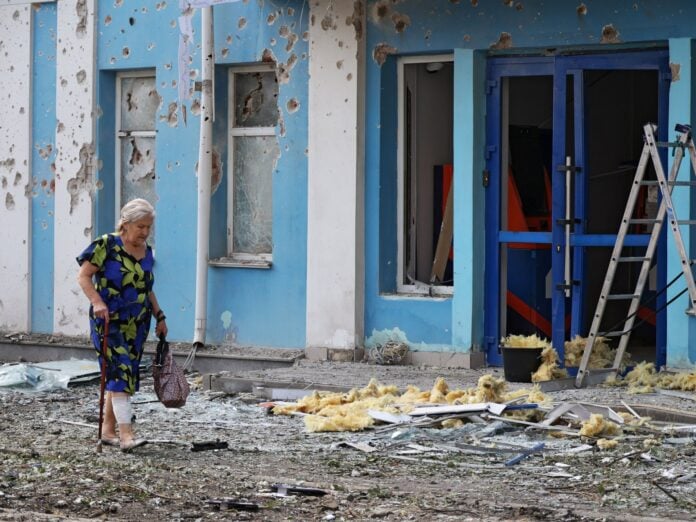
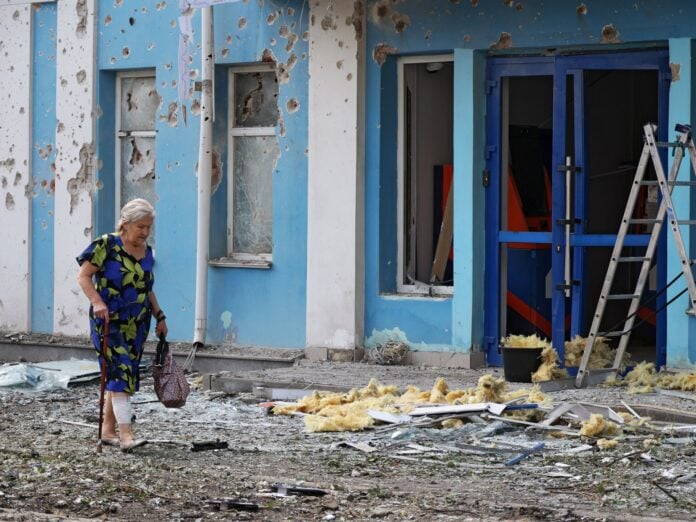
Turkish authorities launched an investigation after the unmanned aircraft slammed into a street in the İlkadım district, damaging rooftops, windows, and nearby buildings but causing no injuries, according to local media reports.
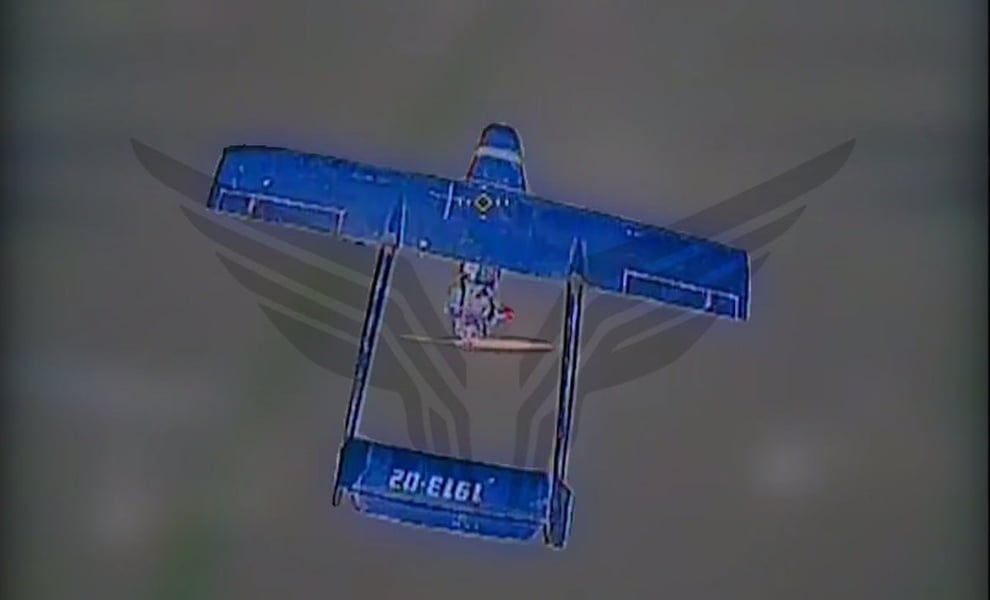
Turkish newspaper Doğru Haber identified the aircraft as a Ukrainian “Maya” decoy drone, a lightweight unmanned system reportedly used to distract and overwhelm air defense systems during long-range aerial attacks. Security services reportedly recovered fragments of the drone, including parts of its tail assembly, after cordoning off the neighborhood.
Residents said they were awakened by a loud explosion shortly before dawn as the aircraft plunged into the middle of the street. Images circulating in Turkish media showed broken roof tiles, damaged upper floors, and shattered windows across several homes. Police and bomb disposal teams later removed the wreckage for forensic analysis.
The incident immediately triggered speculation over how a drone linked to the Ukraine conflict could have ended up deep inside Turkish territory, hundreds of miles from active battlefronts. Turkish authorities have not yet publicly confirmed the drone’s origin, but several regional outlets cited preliminary findings suggesting the UAV lost navigation or suffered a technical malfunction before veering off course over the Black Sea.
The crash comes at a moment of heightened military tension across the Black Sea basin, where Russia and Ukraine have dramatically increased escalating drone operations in recent months. Moscow has repeatedly accused Kyiv of using swarms of low-cost Ukrainian drones to saturate Russian air defenses and strike infrastructure targets deep inside Russian territory, including Crimea, Krasnodar, Rostov, and other southern regions.
Military analysts say decoy drones such as the Maya are designed less for direct destruction than for confusion and attrition. By mimicking larger strike drones or cruise missiles on radar systems, such aircraft can force defenders to expend expensive interceptor missiles while exposing the locations of air defense batteries. Their growing use has transformed the nature of aerial warfare around the Black Sea, where electronic warfare, drone deception, and long-range strikes increasingly define the conflict.
Turkey, which has attempted to balance relations between Moscow and Kyiv since the war began, now faces renewed pressure over the security implications of the expanding conflict on its borders. President Recep Tayyip Erdoğan has repeatedly warned against turning the Black Sea into a zone of direct confrontation between Russia and NATO-aligned powers. Ankara has maintained defense cooperation with Ukraine while simultaneously preserving strategic and energy ties with Russia.
The Samsun incident is not the first time the war’s aerial dimension has drifted into Turkish territory. Earlier cases involved unidentified drones approaching Turkish airspace from the Black Sea region, including incidents in which Turkish fighter jets and air defense systems were reportedly activated after unmanned aircraft lost control near the country’s northern coastline.
Security experts say the growing range of drones used by both Russia and Ukraine increases the likelihood of accidents involving neighboring states. Many modern drones travel hundreds of miles autonomously, relying heavily on satellite navigation and electronic guidance systems vulnerable to jamming, spoofing, or mechanical failure. In heavily contested electronic warfare environments, drones can rapidly deviate from intended routes.
The alleged Maya drone involved in the Samsun crash reportedly weighed around 55 pounds and carried wing and tail structures consistent with decoy UAV configurations. While officials said no explosive payload was discovered, investigators are examining whether the drone was operating as part of a broader regional mission before losing control.
The crash also underscores how drone warfare is reshaping civilian security calculations far beyond the immediate front lines of Ukraine. Since 2022, stray drones, missile fragments, and military debris linked to the Russia-Ukraine conflict have landed in countries across Eastern Europe and the Black Sea region. Incidents involving Ukrainian naval drone discoveries and wider sea drone discovery operations have raised alarm among NATO members and regional governments.
Western governments have also accelerated calls for stronger NATO defenses following a series of drone incidents across Eastern Europe. Nordic states have tightened monitoring systems after repeated drone sightings near border areas and growing fears of accidental escalation.
For Turkey, the appearance of a suspected Ukrainian drone in a populated urban district raises difficult political and military questions. Ankara remains a NATO member but has resisted joining Western sanctions campaigns against Russia, positioning itself instead as a mediator between the two sides. Turkish officials have sought to preserve stability in the Black Sea while expanding the country’s own rapidly growing drone industry.
The incident may now intensify demands for stronger aerial monitoring along Turkey’s northern coastline. Analysts warn that as drone warfare becomes more decentralized and technologically unpredictable, neighboring countries could increasingly face unintended consequences from conflicts unfolding beyond their borders.
The episode also arrives amid broader diplomatic uncertainty surrounding the war. Ankara has continued facilitating discussions connected to a possible treaty discussed in Turkey, while parallel Russia-US talks on Ukraine settlement remain stalled.
Drone warfare has increasingly become central to the maritime balance in the region. Analysts previously warned that Ukrainian drone capabilities could make the Black Sea deadly for the Russian Navy, particularly as Kyiv expands the use of autonomous aerial and naval systems.
The evolution of marine drones and long-range UAV technologies has transformed the strategic environment surrounding the Black Sea, exposing neighboring states to increasing security risks even outside active combat zones.
Turkish authorities had not released a final technical assessment of the drone by Saturday evening, and Ukrainian officials did not immediately comment on reports linking the crashed aircraft to Kyiv.
But for residents of Samsun, the sudden arrival of a suspected military drone over a quiet neighborhood served as another stark reminder that modern warfare no longer remains confined to the battlefield.
—Inputs from Sputnik.