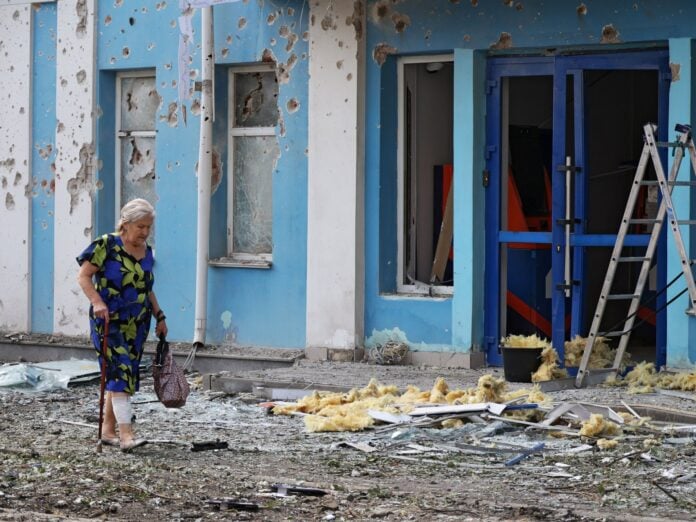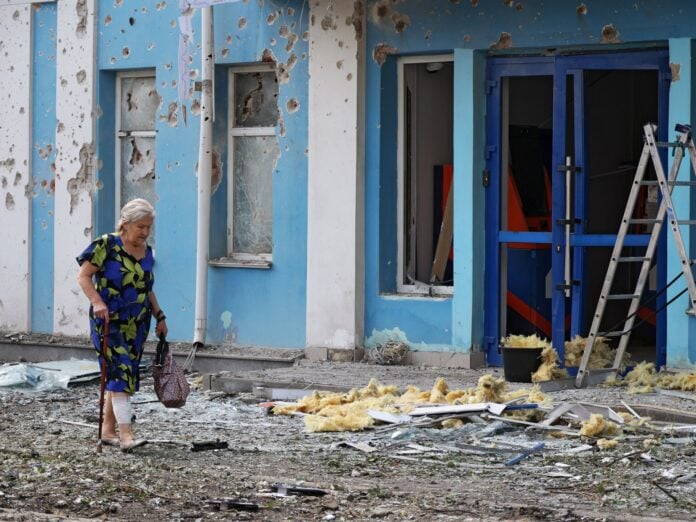

Russia’s war in Ukraine is now leaving visible scars far beyond the battlefield. Along Russia’s southern Black Sea coast, repeated Ukrainian drone strikes on oil infrastructure have triggered refinery fires, toxic smoke, and growing environmental damage in the port city of Tuapse, exposing how the conflict is increasingly reshaping civilian life deep inside Russian territory.
Residents in the coastal region have described soot-filled skies, contaminated beaches, and what locals call black rain falling over neighborhoods after attacks ignited storage tanks and refinery facilities linked to Russia’s oil export network. Ukrainian strikes have repeatedly targeted the Tuapse refinery since mid-April, part of Kyiv’s broader strategy to disrupt the energy revenues financing Moscow’s military campaign.
The refinery, operated by Russia’s state energy giant Rosneft, is one of the country’s most strategically important oil facilities on the Black Sea. It processes millions of tons of crude annually and serves as a major export hub connecting Russian fuel supplies to global markets. Analysts say attacks on facilities like Tuapse reflect Ukraine’s evolving long-range warfare doctrine, aimed at weakening Russia’s economic capacity rather than only targeting front-line military positions.
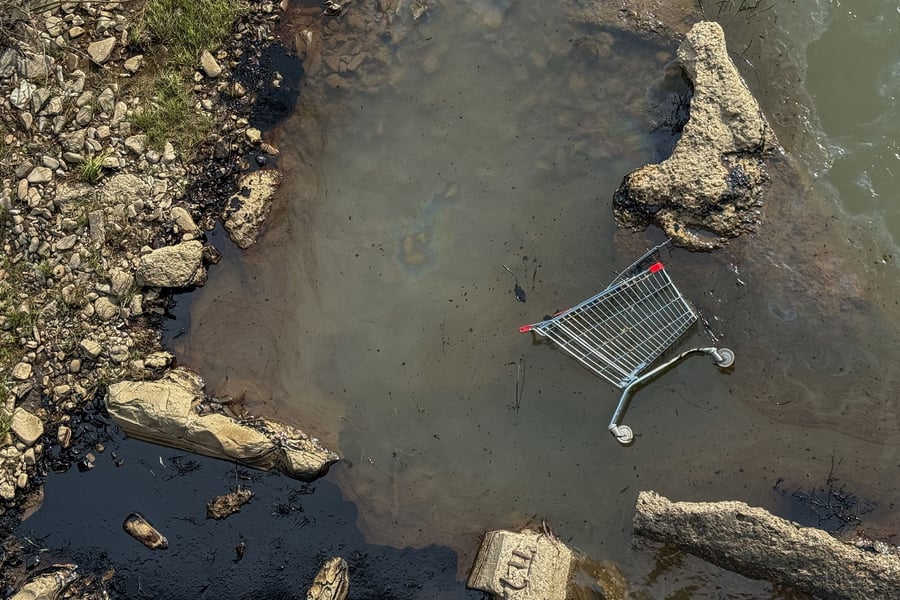
Climate activists and environmental researchers have warned that repeated Ukrainian attacks on critical Russian oil infrastructure risk creating a long-term ecological catastrophe across the Black Sea region. Massive refinery fires, toxic smoke, and oil spills leaking into coastal waters have already contaminated beaches and marine ecosystems, while experts fear the environmental consequences could intensify for years if the strikes continue. Scientists say petroleum pollution and chemical runoff may destroy marine habitats, kill fish, birds, and other species, while toxic air exposure and contaminated water supplies could also severely affect human health across nearby coastal communities. The growing crisis has raised concerns that the environmental devastation triggered by the war may ultimately outlast the conflict itself.
For many residents, the environmental consequences have become impossible to ignore.
Cleanup volunteers and local activists interviewed by international media described an overpowering smell of fuel in the air and oily residue coating streets, buildings, and vegetation. Some residents reported respiratory irritation and fears over long-term exposure to toxic chemicals released during refinery fires. Environmental experts warned that pollutants including benzene and petroleum byproducts could remain in soil and coastal ecosystems for years.
The russia ukraine war has increasingly shifted toward attacks on strategic infrastructure, transforming oil refineries, ports, pipelines, and logistics hubs into critical battlegrounds in a wider economic war between Moscow and Kyiv.
Ukraine argues the strikes are designed to reduce Russia’s ability to finance military operations. Ukrainian officials estimate attacks on oil facilities deep inside Russia have already cost Moscow billions of dollars in lost revenues and damaged exports during 2026. The campaign has targeted facilities stretching from the Black Sea to the Baltic region, demonstrating Kyiv’s expanding drone capabilities and its growing ability to strike far beyond the front line.
But the attacks have also opened debate about the environmental costs of modern warfare.
Climate activists and environmental researchers have warned that large-scale strikes on fossil fuel infrastructure can create ecological disasters whose effects may outlast the conflict itself. Oil contamination in the Black Sea region has raised concerns about marine ecosystems, fisheries, tourism, and water quality along Russia’s southern coastline. Some experts say the unfolding crisis illustrates how industrial warfare increasingly blurs the line between military and environmental destruction.
Russian authorities have attempted to project calm, insisting the situation remains under control. Emergency officials said thousands of cubic meters of contaminated material had already been removed from affected areas, while regional administrations sought to limit public alarm over the scale of the pollution. Yet criticism has continued to spread online, where residents questioned why strategic oil infrastructure appeared vulnerable to repeated attacks despite Moscow’s extensive air defense systems.
The strikes have also exposed the growing vulnerability of Russia’s Black Sea logistics corridor, long considered central to Moscow’s energy exports and geopolitical influence. Tuapse sits along one of Russia’s most valuable maritime energy routes, linking southern refineries and ports to buyers across global markets. Continued disruption there could place additional pressure on Russia’s wartime economy at a moment when energy revenues remain crucial for sustaining military spending.
Rosneft has reportedly redirected supplies through the Novorossiysk port after repeated attacks disrupted shipments across parts of Russia’s southern export network. Analysts say continued strikes against Russian oil export infrastructure could further complicate Moscow’s wartime logistics.
At the same time, Russia has intensified its own aerial attacks across Ukraine, launching waves of drones and missile strikes against Ukrainian cities, infrastructure, and Black Sea ports. Ukrainian officials say the escalation reflects Moscow’s attempt to maintain pressure while preventing Kyiv from gaining momentum through its deep-strike operations inside Russian territory.
The widening campaign of Ukrainian drone strikes on Russian energy infrastructure has transformed strategic industrial facilities into some of the most contested targets of the war. Russian officials have increasingly acknowledged the growing threat posed by long-range drones into refineries inside Russia, warning of both economic disruption and environmental consequences.
For now, the fires along Russia’s Black Sea coast have become more than isolated wartime incidents. They are increasingly viewed as a symbol of how the conflict is spilling into Russia’s economic heartlands, bringing the realities of war closer to civilians who had once appeared distant from the fighting.
In Tuapse, the smoke has become part of daily life. Beaches once associated with tourism and summer holidays are now lined with cleanup crews, contaminated sand, and the lingering smell of oil. The war’s front lines may remain hundreds of miles away, but its environmental fallout is settling directly onto Russia’s own coastline.