Apple is reportedly reconsidering its iPhone frame strategy once again, with new leaks suggesting the company is actively testing liquid metal components and improved titanium alloys for future devices. The move signals a potential reversal of the current aluminum-focused design used in the iPhone 17 Pro lineup, as Apple continues searching for the optimal balance between durability, heat management, and weight reduction.
According to recent supply-chain reporting and leaker claims, Apple is not committed to aluminum long-term and is instead exploring advanced materials that could define the next generation of premium iPhones.
Aluminum may be a temporary phase, not a final direction
Apple’s shift to aluminum in the iPhone 17 Pro marked a notable departure from the titanium frames introduced in earlier Pro models. The decision was widely linked to thermal management concerns, especially as chip performance and heat output continue to increase.
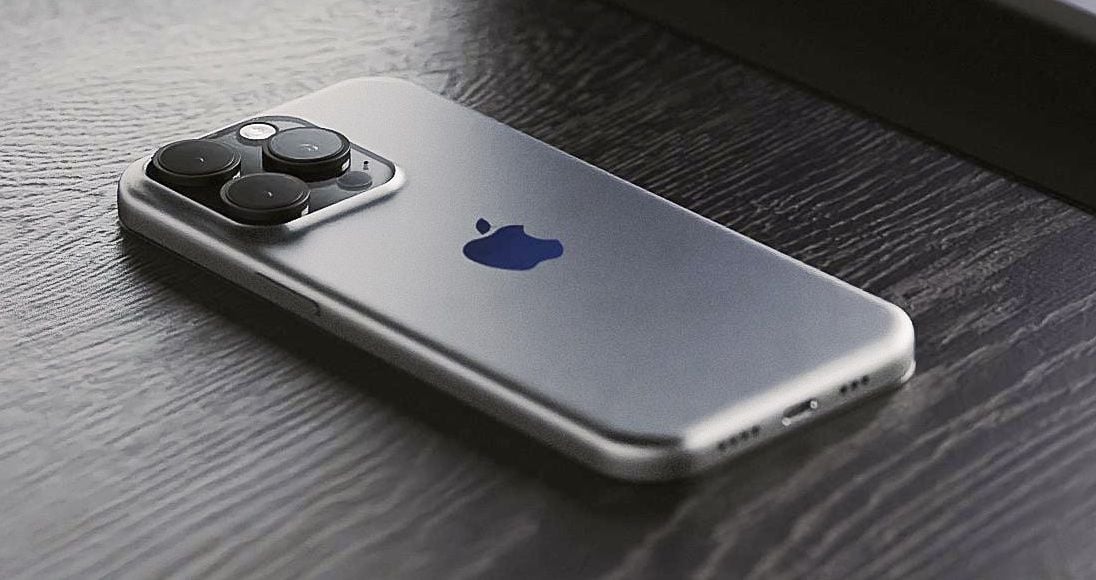
Apple continues evaluating whether aluminum can remain viable for high-performance devices or whether it must be replaced by stronger materials in future models.
The core engineering challenge remains unchanged: balancing structural rigidity with heat dissipation in increasingly thin smartphone designs.
Titanium is returning, but in a redesigned form
One of the most consistent themes in recent leaks is Apple’s continued interest in an improved titanium alloy rather than abandoning the material entirely.
Unlike earlier titanium implementations, the next iteration is expected to address known weaknesses such as thermal conductivity and manufacturing complexity.
Apple is reportedly working on alloy refinements aimed at improving heat transfer while maintaining titanium’s high strength-to-weight advantage.
Liquid metal emerges as Apple’s most experimental material
Beyond titanium, Apple’s most ambitious materials research centers on liquid metal, also known as amorphous metallic glass.
This material has been under Apple’s exploration for over a decade and is now increasingly linked to structural components in future foldable devices, especially hinge systems.
Liquid metal offers high resistance to bending fatigue and strong structural integrity under repeated stress, making it a strong candidate for foldable hinges.
However, scaling liquid metal for mass production remains a major challenge.
Foldable iPhone development is driving material innovation
Much of Apple’s renewed focus on advanced materials appears tied directly to its long-rumored foldable iPhone project.
Leaks indicate that Apple may combine titanium for structural frame strength and liquid metal for hinge mechanisms in a hybrid design approach.
Internal ecosystem context:
Foldable iPhone Ultra design leaks and rumors
Manufacturing challenges are still being reported, particularly around hinge durability and stress testing in early production runs.
Why Apple keeps shifting between materials
Apple’s repeated movement between aluminum, titanium, and experimental alloys highlights a deeper engineering reality: there is no single ideal material for modern smartphones.
Aluminum offers better heat dissipation but lower rigidity. Titanium provides strength and premium durability but introduces thermal and manufacturing challenges. Liquid metal offers extreme durability potential but is difficult to scale.
As smartphones become thinner and more powerful, these trade-offs become increasingly difficult to resolve.
Industry direction: toward hybrid material iPhones
Analysts increasingly suggest Apple may move toward a hybrid structural approach combining multiple materials depending on functional requirements.
This could include titanium for load-bearing frame sections, aluminum for thermal balancing zones, and liquid metal for hinge and stress-critical components.
This would mark a shift away from traditional unibody construction toward engineered material zoning.
Conclusion
Apple’s iPhone material strategy remains in flux. While aluminum currently defines the iPhone 17 Pro generation, ongoing experimentation with titanium alloys and liquid metal systems suggests the company is preparing for another major hardware evolution.
If these developments succeed, the next major iPhone redesign may fundamentally redefine how smartphones are physically constructed.