Samsung’s next flagship cycle is already shaping up to be one of the most transformative in years, with fresh leaks suggesting that the Galaxy S27 Ultra could introduce a redesigned camera system, a significantly improved battery, a controversial telephoto rethink, and an entirely new lineup structure that includes a Galaxy S27 Pro variant. While Samsung has not confirmed any of these details, multiple supply chain and tipster reports are converging on the same narrative: a major strategic reset for the Galaxy S series.
A new Galaxy S27 Pro could reshape Samsung’s flagship lineup
One of the biggest revelations is the possible introduction of a Galaxy S27 Pro, which would sit between the standard Plus and Ultra models. Instead of Samsung sticking to its traditional three-device lineup, the S27 series may expand into four variants.
This move aligns with Samsung’s broader shift in product segmentation strategy, already visible in its ecosystem evolution as seen in Samsung’s expanding AI-driven device ecosystem strategy.
Galaxy S27 Ultra design overhaul and S10-era comeback
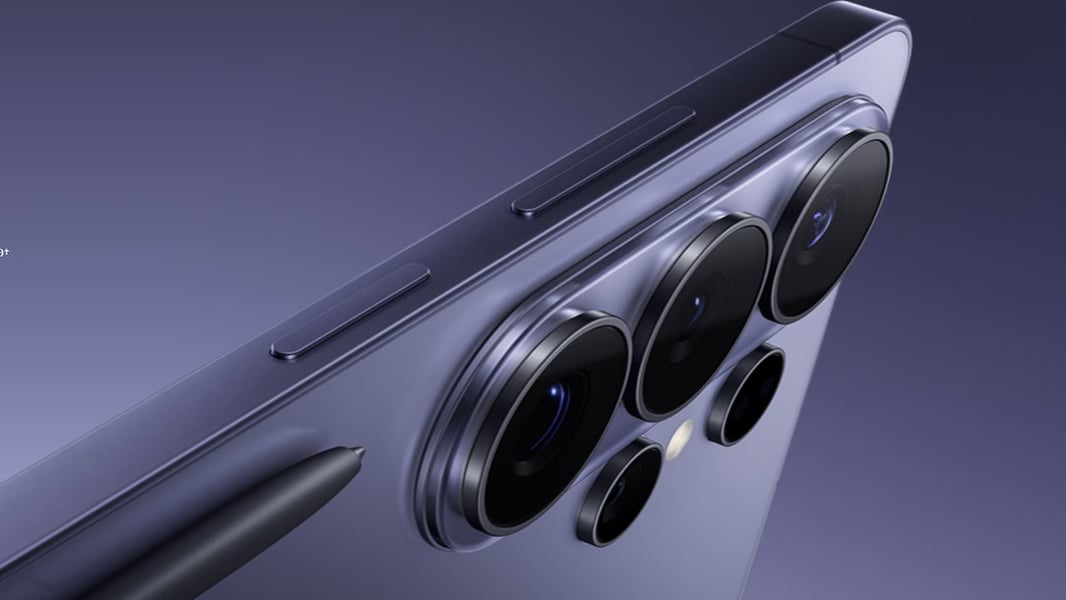
The Galaxy S27 Ultra is also rumored to undergo a noticeable design revision, particularly on the rear camera system. Leaked information suggests Samsung could move away from the isolated floating camera-lens aesthetic used across recent Galaxy devices in favor of a cleaner horizontal layout reminiscent of older Galaxy S10-era designs.
The claims have already triggered debate among Android enthusiasts who believe Samsung’s Ultra lineup has become visually repetitive. Some users argue Samsung’s recent Ultra phones have lost their sense of bold experimentation, while others believe abandoning the minimalist floating-camera identity could weaken the premium Galaxy look Samsung has spent years establishing.
The motivation behind the redesign appears to be a combination of aesthetics, internal space optimization, and improved thermal performance.
Silicon-carbon battery upgrade could break Samsung’s 5,000mAh limit
Perhaps the most important development is Samsung’s ongoing work on silicon-carbon battery technology, which is widely expected to debut in the Galaxy S27 Ultra.
For years, Samsung’s Ultra models have remained capped at 5,000mAh battery capacity, even as rivals like Honor, Xiaomi, and OnePlus aggressively adopted silicon-carbon battery systems in flagship phones, enabling significantly larger batteries without increasing thickness.
Current rumors suggest the Galaxy S27 Ultra could feature a battery around 5,500mAh, marking Samsung’s first meaningful Ultra battery increase since the Galaxy S20 Ultra launched years ago. Some reports even claim Samsung is experimenting with much larger cell capacities during internal testing, although those figures are unlikely to reach commercial devices anytime soon. Samsung’s push toward silicon-carbon battery innovation reflects how quickly the premium smartphone market is evolving.
The battery story matters because Samsung’s flagship phones have increasingly faced criticism for conservative hardware decisions. While rivals introduced 6,000mAh-plus batteries and ultra-fast charging systems, Samsung continued shipping 5,000mAh cells with comparatively slower charging speeds. Many enthusiasts viewed the company’s approach as excessively cautious following the Galaxy Note 7 crisis that permanently changed perceptions around smartphone battery technology.
That caution may finally be ending. Industry observers believe Samsung now recognizes that battery life has become one of the most important upgrade factors for premium smartphone buyers. AI features, on-device processing, higher-refresh displays, and increasingly powerful camera systems all consume more power, making improvements in smartphone battery life critical for future flagship competitiveness.
Controversial telephoto rethink and 200MP imaging overhaul
One of the most controversial claims involves Samsung’s camera strategy. Multiple reports indicate the company could eliminate the dedicated 3x telephoto sensor entirely, relying instead on sensor cropping from a high-resolution 200MP main camera.
That would represent a major shift for Samsung’s Ultra photography system, which has long emphasized multiple zoom lenses as a key selling point. Leakers claim Samsung believes improved sensor quality and AI-powered image processing can now deliver near-optical quality at 3x zoom without requiring separate hardware. The decision could help Samsung simplify the camera module and free internal space for larger battery components.
However, photography enthusiasts may not welcome the change, especially users who regularly rely on dedicated optical zoom performance in challenging lighting conditions.
Reports also suggest Samsung is preparing a next-generation 200MP ISOCELL sensor with LOFIC technology designed to improve dynamic range and HDR performance. Variable aperture technology is rumored as well, potentially allowing the main camera to physically adjust incoming light depending on shooting conditions. These imaging changes could become Samsung’s biggest camera overhaul in years, especially in the increasingly competitive world of mobile photography.
Snapdragon 8 Elite Gen 6 and AI evolution
Performance improvements are expected too, with leaks pointing toward Qualcomm’s future Snapdragon 8 Elite Gen 6 chipset built on a next-generation manufacturing process aimed at improving both efficiency and AI processing capabilities. That performance leap could become critical for Samsung’s future flagship competitiveness as AI workloads continue increasing across Android devices.
The Galaxy S27 Ultra is also expected to receive major AI-focused software upgrades. Early reports indicate the phone will likely ship with One UI 9.5 based on Android 17, continuing Samsung’s aggressive push into contextual AI assistants, live translation tools, personalized automation, and generative image features.
Samsung’s expanding Galaxy AI features ecosystem increasingly mirrors the wider Android AI ecosystem, where companies are racing to integrate smarter on-device experiences powered by generative models and contextual assistants. Samsung is also expected to deepen integration with Gemini Intelligence capabilities across future Galaxy devices.
The company’s recent One UI 8.5 update rollout already demonstrated Samsung’s growing emphasis on long-term software support and AI feature expansion.
Industry pressure forcing Samsung’s redesign push
Samsung’s shift toward battery innovation and design restructuring comes amid increasing competition from Chinese manufacturers aggressively pushing battery density and charging speeds. Industry analysis suggests the urgency is tied directly to that competitive pressure.
Despite the growing flood of leaks, Samsung remains far from officially unveiling the Galaxy S27 lineup. The company is not expected to announce the devices until early 2027. Still, the consistency of recent reports suggests Samsung may already be deep into prototype testing for the next Ultra flagship.
Early-stage leaks, but a clear strategic direction
While Samsung has not confirmed any Galaxy S27 details, the consistency of leaks suggests a clear strategic direction: a more modular lineup, improved battery technology, a controversial camera rethink, and a redesign focused on efficiency and AI integration.
If these reports are accurate, the Galaxy S27 series may represent Samsung’s clearest attempt yet to answer criticism that its flagship phones have become too safe, too predictable, and too far behind the aggressive innovation cycle now dominating the Android market.