
Intel is reportedly pushing global PC manufacturers to adopt its next-generation 18A processors while restricting supply of older-generation chips, signaling a major shift in semiconductor strategy driven by accelerating artificial intelligence demand and tightening manufacturing capacity.
Industry reports indicate that Intel is prioritizing its Intel 7 production capacity for high-margin enterprise and AI workloads, reducing availability of mainstream consumer CPUs used in laptops and desktops. This shift is forcing OEMs in Asia, North America, and Europe to reconsider product roadmaps and accelerate adoption of newer architectures such as Intel 18A-based platforms.
The situation reflects broader strain across the semiconductor ecosystem, where AI infrastructure expansion has sharply increased demand for compute resources. Coverage of this trend in AI hardware markets highlights an ongoing
AI-driven chip demand surge
impacting multiple categories of consumer and enterprise hardware.
Intel 18A Push Reshapes PC Manufacturing Strategy
Intel’s transition toward its 18A node is now central to its long-term roadmap, with next-generation chips designed to power both laptops and servers. The shift is being described as part of an Intel’s latest manufacturing strategy shift that ties chip allocation directly to adoption of new platforms.
Analysts note that Intel’s move aligns with a broader industry transition described in supply chain reporting as a
semiconductor supply chain constraint in Asia, where manufacturing allocation is increasingly tied to advanced node adoption.
Global CPU Shortage Intensifies Pressure on OEMs
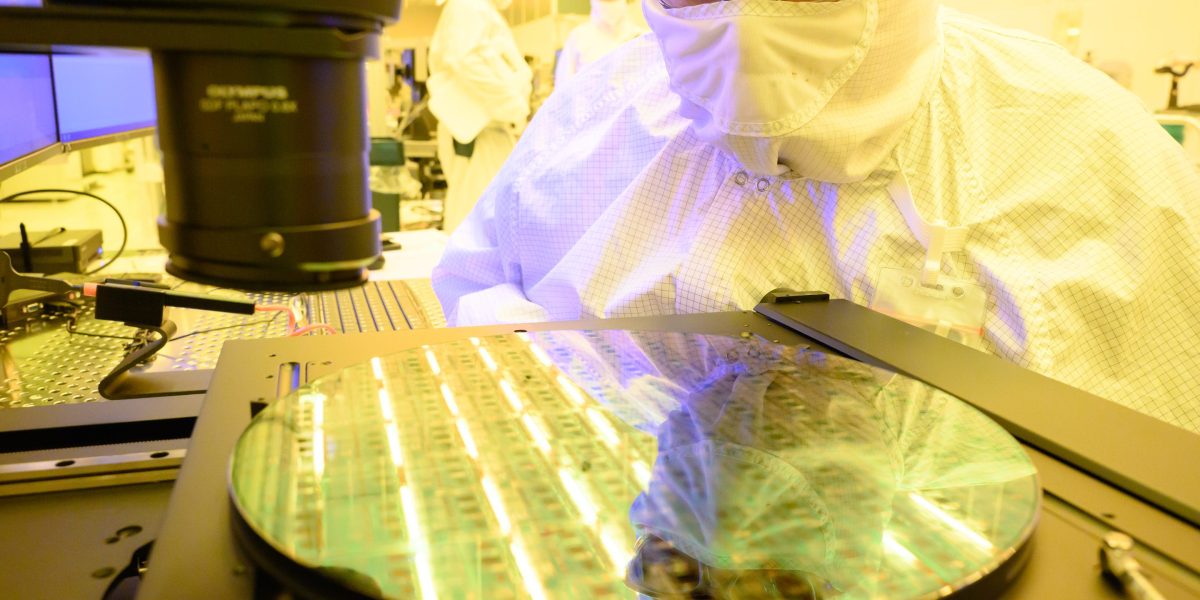
The tightening supply of CPUs is not limited to Intel alone, but part of a wider imbalance between AI infrastructure demand and semiconductor production capacity. Market analysis shows that AI data center expansion is absorbing a large share of advanced chip manufacturing capacity, leaving fewer wafers available for consumer devices.
This has contributed to a broader global semiconductor shortageaffecting multiple industries, including PCs, gaming hardware, and mobile devices.
In parallel, industry observers warn that the shortage is evolving into a structural constraint rather than a temporary cycle, with lead times for CPU orders increasing across major OEM supply chains.
Rising Costs and Redesign Pressures for PC Makers
The transition to Intel 18A is not only a supply chain challenge but also a cost issue for manufacturers. New chip architectures require redesigning motherboards, cooling systems, and power delivery mechanisms, which increases both development time and production costs.
These pressures are contributing to what analysts describe as a rising PC and laptop prices trend across global markets, particularly in mid-range and premium device segments.
OEMs are also facing uncertainty in forecasting demand, as fluctuating chip availability makes long-term planning more difficult. Some manufacturers have reportedly delayed product launches due to inconsistent CPU allocations.
Intel’s Market Strategy and Industry Impact
Intel’s shift toward prioritizing advanced node adoption is also linked to profitability considerations. By focusing on newer chips with higher margins, the company is attempting to balance heavy investments in fabrication with competitive pressure from rival chipmakers.
This strategy aligns with broader industry observations of a semiconductor manufacturing bottleneck driven by AI workloads and limited global fabrication capacity.
Financial markets have also reacted to Intel’s evolving strategy, with investor sentiment influenced by expectations of higher-value chip sales and tighter supply allocation across consumer markets.
Outlook for the Global PC Industry
The combined effects of AI-driven demand, manufacturing constraints, and Intel’s strategic shift suggest that the PC industry may continue facing supply volatility through 2026. While the transition to Intel 18A is expected to improve long-term efficiency and performance, short-term disruption appears unavoidable.
As AI workloads continue to expand across cloud and enterprise systems, semiconductor manufacturers are increasingly prioritizing high-performance computing segments over traditional consumer markets. This structural shift is redefining how CPUs are allocated, priced, and integrated into future computing devices.
For PC makers, the challenge now lies in adapting quickly to a rapidly evolving hardware landscape where access to chips is no longer guaranteed, but strategically controlled based on next-generation adoption.