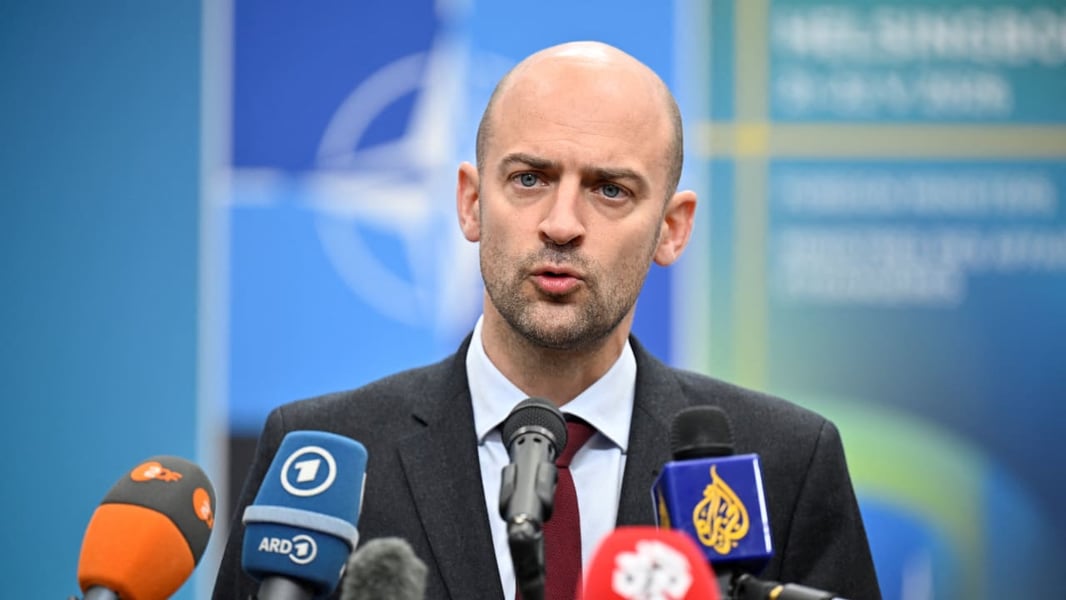

PARIS — France has asked the Paris public prosecutor to open a criminal inquiry into the treatment of French citizens detained by Israeli forces aboard the Global Sumud Flotilla, Foreign Minister Jean-Noel Barrot said on Friday, sharply escalating a confrontation between the two governments over a Gaza aid convoy that ended in mass arrests at sea.
Barrot said the referral grew out of a detailed report he had requested from France’s consul general in Turkey, the country to which most of the deported activists were flown after their release. According to the Jerusalem Post, which carried Reuters’ account of his remarks, that report set out sexual violence, prolonged exposure to cold, beatings and repeated humiliation of French nationals while they were held.
“Based on the report requested from our consul general, which described in detail sexual violence, exposure to cold, beatings and repeated humiliation of French citizens, all of which may constitute criminal offenses, I decided yesterday to appeal to the prosecutor,” Barrot told France Inter radio. “The case is now in the hands of the judiciary.”
The decision is the furthest any European government has gone toward turning the diplomatic uproar over the flotilla into a formal legal process. It also deepens a rupture that began last week, when Israeli naval forces intercepted the convoy in international waters and detained everyone aboard.
The Global Sumud Flotilla, a collection of roughly 50 boats carrying about 430 activists from dozens of countries, set out in mid-April to challenge Israel’s naval blockade of Gaza and deliver humanitarian aid. Organizers said the vessels were surrounded and boarded about 250 nautical miles from the coast, far outside Israeli territorial waters. The activists were taken to the southern port of Ashdod, processed and then deported. France’s foreign ministry has said 37 French nationals were among those detained, and that they were repatriated through Istanbul.

The case drew global attention on May 20, when Israeli National Security Minister Itamar Ben-Gvir posted a video of himself taunting the bound detainees at Ashdod. In the footage, activists kneel with their hands zip-tied and their heads bowed while Israel’s national anthem plays, and Ben-Gvir is heard goading them. The clip triggered condemnation across European capitals and unease inside Israel’s own government.
Returning activists have since given accounts of mistreatment that go well beyond the video. Several described beatings and degrading treatment in Israeli custody, including being stripped, bound so tightly they lost feeling in their hands and mocked by guards. The flotilla’s organizers said in a statement that freed participants had reported at least 15 cases of sexual abuse during detention. Al Jazeera reported that the group placed the worst incidents aboard a single vessel converted into a makeshift holding facility, and that Israel’s prison service dismissed the allegations as false.
The United Nations said it was tracking the claims. “We’re very concerned by these reports,” the UN spokesman Stephane Dujarric told reporters when asked about the allegations.
The episode has split opinion within the Israeli leadership. France 24 reported that Prime Minister Benjamin Netanyahu distanced himself from Ben-Gvir, saying the minister’s handling of the activists was not in line with Israel’s values and norms and that he had ordered the detainees deported. Foreign Minister Gideon Saar was blunter, telling Ben-Gvir in a post on X that he was not the face of Israel.
France moved first among European governments to impose a personal penalty. Barrot announced on Saturday that Ben-Gvir was barred from entering French territory, citing what he called the minister’s unspeakable conduct toward French and European passengers, and urged the European Union to weigh its own sanctions. Italy made a similar appeal, while Poland imposed a five-year entry ban on the minister.
Barrot has been careful to separate the question of mistreatment from the flotilla itself, which the French government did not support. He has called the convoy ineffective and a drain on diplomatic and consular resources, while insisting that disagreement with its methods does not excuse the abuse of French citizens. Prime Minister Sebastien Lecornu struck a similar note earlier in the week, telling the National Assembly that the alleged acts were absolutely odious and that France would not allow its nationals to be targeted with impunity.
The lawyers representing the French activists have signaled they intend to go further on their own. They said they would file a separate complaint over the violence their clients say they endured, and they declined an invitation to meet Barrot’s office, accusing the government of having backed Israel throughout the war in Gaza. Their statement suggested that, for the activists, the referral does not erase what they see as months of French support for the Israeli campaign.
For Israel, the French inquiry adds a legal dimension to a steadily widening diplomatic cost. The interception was the latest in a string of confrontations at sea, following earlier flotillas that tried to breach the blockade and were stopped by the Israeli navy. What has changed is the willingness of European governments to attach names, bans and now prosecutors to their response.
The Paris prosecutor’s office has not said whether it will open a formal investigation or how quickly it might move. Under French law, authorities can pursue certain grave offenses committed against French citizens abroad, though any case touching a foreign state would face steep jurisdictional and diplomatic hurdles. For now, Barrot said, the matter rests with the courts.
—Inputs from Sputnik.