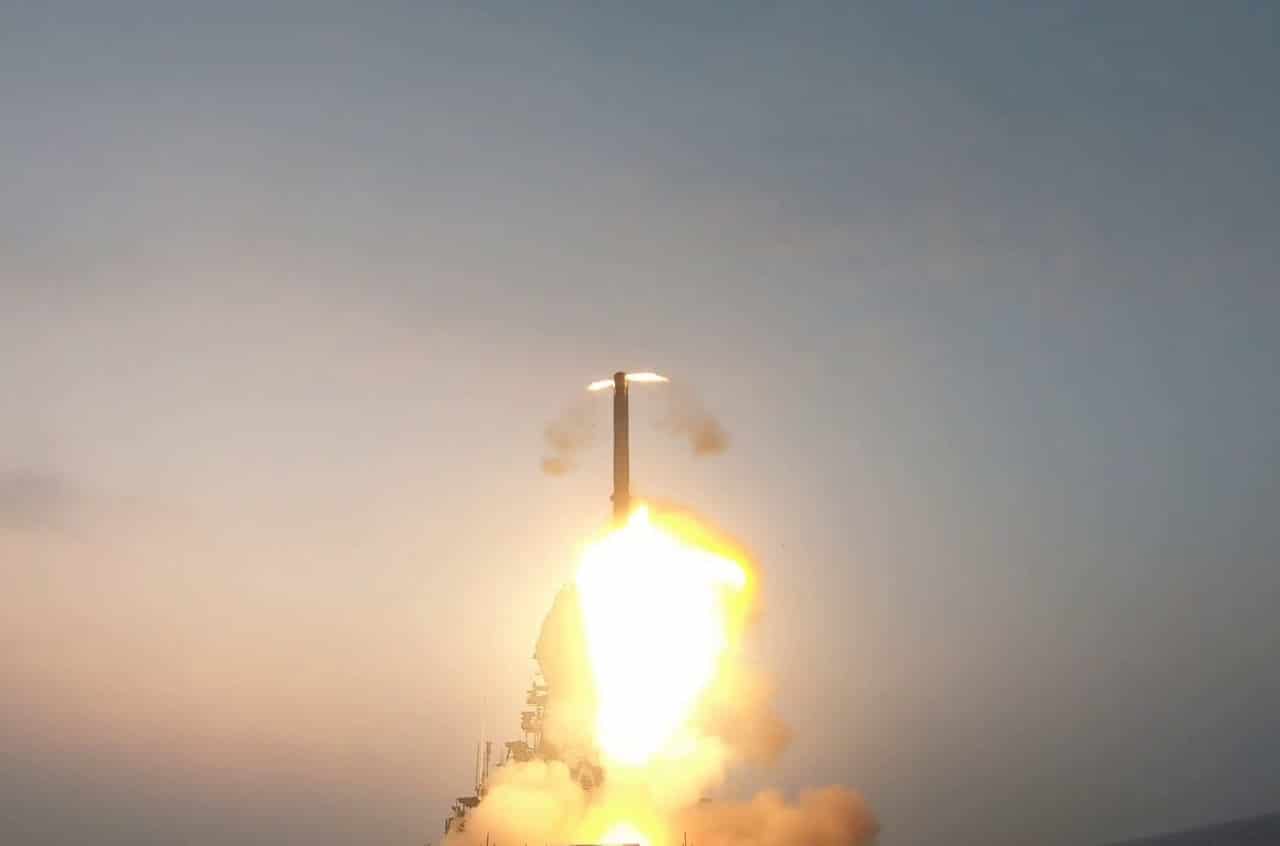

SINGAPORE — There was no formal announcement, no joint statement, no ceremony. The deal, India’s defence secretary said Saturday, was already done.
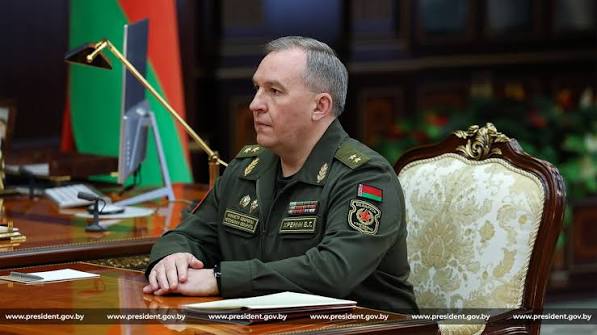
Rajesh Kumar Singh, speaking on the sidelines of the Shangri-La Dialogue in Singapore, confirmed what officials in New Delhi and Hanoi had been carefully declining to announce for months: Vietnam has signed a deal to acquire BrahMos supersonic cruise missiles from India. The agreement, Singh said, had not yet been publicly disclosed but it was real, it was signed, and Vietnam had crossed into the small category of countries India trusts with its most advanced strike technology.
“For Vietnam, I understand that it has already been signed, probably not publicly announced, but already signed,” Singh told the gathering, responding to a question from a Vietnamese delegate. “You are in the category of friendly foreign countries with whom we would be happy to share this kind of advanced technology.”
The disclosure, made at Asia’s premier defence forum, was not a slip. It was a signal addressed as much to Beijing as to Hanoi. Vietnam shares contested waters with China in the South China Sea. It also shares, now, a supersonic missile capable of flying at nearly three times the speed of sound from coastal batteries, ships, aircraft, and submarines.
The deal’s value, according to Bloomberg, is estimated at roughly 60 billion rupees, around $629 million, including training and logistical support. That figure, sourced from reporting that predates the formal confirmation, has not been independently verified by BrahMos Aerospace or the Indian Ministry of Defence, and the final terms have not been made public.
Singh also confirmed that a parallel agreement with Indonesia is in its final stages, a development that would make Jakarta the third Southeast Asian nation to acquire the missile. The Philippines, which became India’s first export customer for BrahMos in 2022, received its initial battery delivery in 2024 and a second batch in April 2025. Philippine President Ferdinand Marcos Jr., speaking at the same Shangri-La forum Friday, said his government would pursue “more robust collaboration” with India on defence.
What Singh described was less a transactional weapons sale than the formal consolidation of a strategic architecture India has been assembling across Southeast Asia for years. The BrahMos is an Indo-Russian joint venture, developed by India’s Defence Research and Development Organisation alongside Russia’s NPO Mashinostroeyenia, and its export requires Moscow’s consent. That consent, once a brake on the programme’s ambitions, has become increasingly reflexive as India has deepened its role as a regional arms supplier.
India’s defence exports hit a historic high of 240 billion rupees in the current fiscal year, Asia Times reported, with New Delhi targeting 500 billion rupees by 2029-30. The BrahMos is the flagship of that push. BrahMos Aerospace reported revenues of 52 billion rupees in FY26, a figure the company says reflects its emergence as a credible global defence supplier, not merely a domestic one.
For Vietnam, the calculus is straightforward. Hanoi already operates Russian-made Bastion-P coastal missile batteries. The BrahMos, faster and with greater range, would give Vietnamese commanders a high-end strike capability that sits above those existing systems in both reach and lethality. The proposed package includes training and logistical support, an arrangement that also deepens the bilateral defence relationship in ways that outlast any single delivery. What is less clear is the timetable for that delivery, and whether the quiet signature means production slots are already allocated.
The Shangri-La Dialogue, now in its 23rd year, has become something other than what it once was. It began as a forum for defence ministers to talk to each other in a neutral venue. This year, with China sending a delegation of lower rank than in previous years and questions about the durability of American security guarantees circulating in every corridor, it has become, in effect, a marketplace for strategic hedging. India’s BrahMos announcement, made not from a podium but in response to a question from a Vietnamese delegate, captured that shift precisely. The deal is done. The announcement was the message.
“India has a strong commitment to ASEAN nations,” Singh said, articulating a principle that New Delhi has long stated but is now, missile by missile, proving. “We treat all of you as friendly countries with whom we can share advanced defence technologies.”
What Singh did not say, and what no official on either side has confirmed, is the delivery schedule for Vietnam, the precise configuration of the missile system involved, or whether Hanoi has secured financing through an Indian line of credit. Those details remain, for now, inside the agreement that neither government has chosen to publish.
—Inputs from Sputnik.