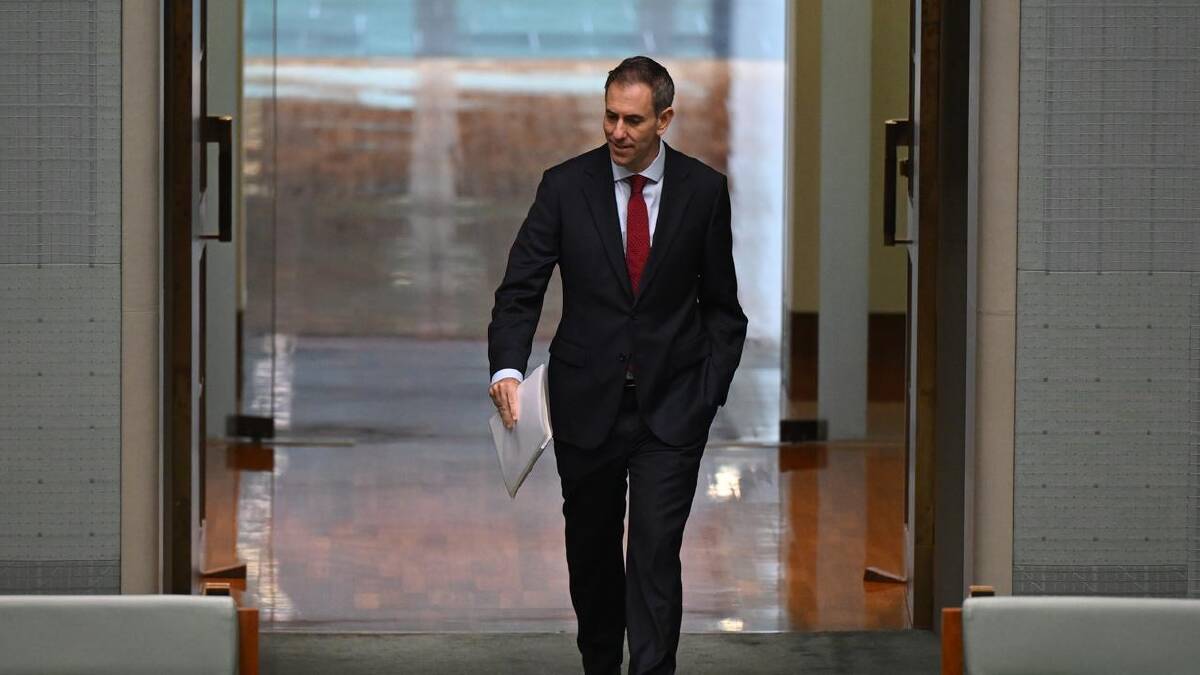

CANBERRA — Treasurer Jim Chalmers introduced Labor’s contested tax reform package to parliament on Thursday and refused to soften it, even as a widening coalition of business groups, a state premier and a major bank chief warned that one part of the plan could choke off investment.
The bill rewrites two of the most politically sensitive settings in the Australian tax system, negative gearing and the capital gains tax discount, while handing workers a $250-a-year rebate. Chalmers framed it as a generational correction, telling the House of Representatives he was proud to make the system fairer for those coming up behind. “It will help ensure that aspiration and opportunity are the birthright of every Australian and not just some,” he said in remarks published here.
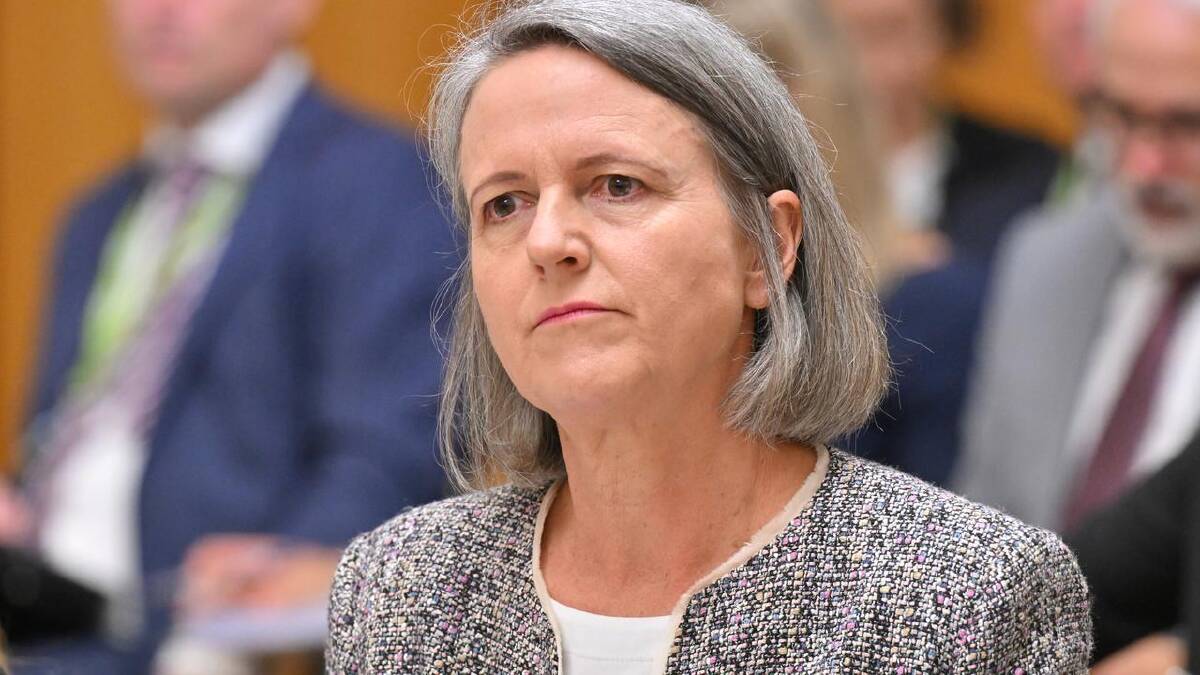
The political timing was not subtle. As Chalmers spoke in Canberra, his Treasury secretary was delivering matching firepower in Sydney. Jenny Wilkinson used a post-budget address to the Australian Business Economists to release fresh modelling on who actually wins and loses, and the numbers were built to answer the central charge against the package, that it punishes the young to soak the rich.
Had the reforms been in place since 2000, Wilkinson said, roughly nine in 10 young Australians would have come out ahead over their lifetimes. The top one per cent of earners, by contrast, would have collected about $400,000 less each in lifetime tax benefits. She did not pretend the trade was painless. Some younger people would still lose out, she acknowledged, but said that was unavoidable when an entire system is being reweighted rather than tinkered with at the edges.
“These are the most significant reforms to the tax system in a quarter of a century,” Wilkinson told the lunch. She argued the package would help arrest the long slide in home ownership, make the taxation of capital more efficient, and ease the burden on income earned from work rather than from owning assets. The measures were first unveiled when Australia’s 2026 budget marked a sharp turn from the old economic consensus.
That argument sits at the core of Labor’s case. The government contends that a system which taxes wages more heavily than returns on investment has quietly locked a generation out of the property market, a theme it has pressed since the changes first surfaced in the May budget. The bill is meant to narrow that gap, and it lands at a moment when jittery investor confidence on the ASX has already left markets on edge.
The opposition is not buying the sequencing. Frontbencher James Paterson accused the government of running the process in reverse, conceding flaws now and promising repairs later. “Even they admit their own legislation is so flawed that they will have to fix it in the future, but they’re saying just trust us, we’ll rush it through now, and then we’ll negotiate with you afterwards to repair the mistakes we’ve made,” he told Sky News.
The clock is part of the fight. Because the laws are scheduled to take effect on July 1, the bill was automatically sent to a Senate committee for scrutiny, with a report due by June 22. Business Council of Australia chief executive Bran Black called that window “manifestly too short” for a rewrite the government itself bills as the biggest in 25 years.
The most concentrated opposition is aimed at a single mechanism: the plan to lift capital gains tax on assets beyond housing. The Business Council, the Australian Chamber of Commerce and Industry, the Minerals Council of Australia and Commonwealth Bank chief executive Matt Comyn have all pushed for the higher rate to be quarantined to property. They were joined by West Australian Premier Roger Cook, a Labor figure, who warned the shift could scare foreign money away from early-stage mining ventures. The full package was set out when the government handed down its plan, detailed in the official papers.
The government has left itself room to move. It has signalled a likely carve-out for startups, firms that begin with little capital but can scale fast, and says it is still consulting industry on further adjustments. Existing exemptions already shelter small businesses turning over less than $2 million a year. But UNSW economics professor Richard Holden cautioned that the design could still sting fast-growing companies, dragging them from paying almost no capital gains tax to a relatively high rate purely because they succeeded.
Pressure is also coming from Labor’s left flank. The Greens intend to use the Senate inquiry to push the government to apply the changes to existing investors, not just new ones, a move that would sharpen the bill considerably and complicate any deal Chalmers strikes with the crossbench. The competing demands, business wanting the measure narrowed and the Greens wanting it widened, leave the treasurer negotiating on two fronts at once. The standoff is unfolding as Canberra navigates wider economic pressure across the region.
None of it has moved the government off its line. Chalmers and Wilkinson spent the day making the same wager from two cities: that voters under 40, priced out of housing and taxed hard on their pay, will reward a government willing to redraw the rules in their favour, even at the cost of a fight with the country’s biggest companies. The next four weeks of committee hearings will test whether that bet survives contact with the Senate.
Related Posts