
TEHRAN — The suspension came without a formal announcement. Iran’s semi-official Tasnim news agency reported it in a single sentence: Tehran had halted its indirect message exchange with Washington — the fragile diplomatic thread running through Oman and Gulf intermediaries — in protest against Israel’s decision to escalate its assault on Lebanon. The timing, Monday morning in Tehran, coincided precisely with Benjamin Netanyahu ordering his military to strike the southern suburbs of Beirut.
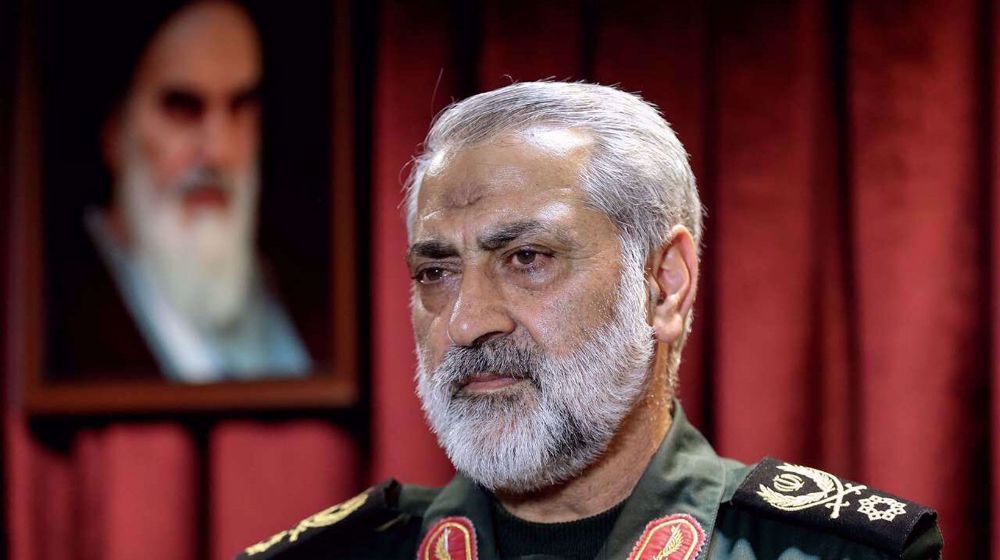
That was when Brigadier General Abolfazl Shekarchi, the senior spokesman of Iran’s Armed Forces, stepped in front of cameras with language that left little room for ambiguity. The Israeli government had exploited the ceasefire, he said — killed more than 3,000 people in Lebanon, including women and children, while Western governments said nothing or quietly provided cover. The Iranian military, he made clear, would not keep watching.
“The continuation of the barbaric crimes against Lebanon will not be tolerated by the Armed Forces of the Islamic Republic of Iran,” Shekarchi said, according to PressTV.
What made Monday different from prior Iranian warnings was not the rhetoric — Tehran has issued statements of this kind repeatedly since the April ceasefire — but the institutional weight behind it. Shekarchi does not freelance. His statements reflect coordination across the armed forces, the IRGC, and the political leadership. And this time, the warning arrived simultaneously from multiple directions: the foreign minister, the parliament speaker, and the Revolutionary Guards all issued their own versions within hours of each other.
Foreign Minister Abbas Araghchi posted on X that Israel’s actions in Lebanon constituted a violation of the Iran-US ceasefire itself, and that both Washington and Tel Aviv would bear “the consequences of any violation.” Mohammad Bagher Ghalibaf, the parliament speaker and head of Iran’s negotiating team with Washington, went further in a message addressed directly to the Americans — “Every choice has a price, and the time to pay it arrives” — without specifying what that price might be.
The Revolutionary Guards’ intelligence organisation stated that Iran “considers crossing the red lines in Lebanon and Gaza to mean direct war” and that it stood ready to open new fronts using new tools, while preserving what it described as the Strait of Hormuz equation.
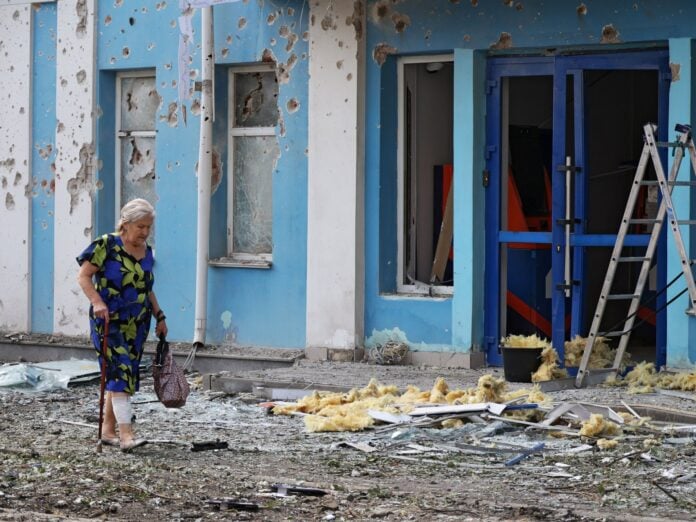
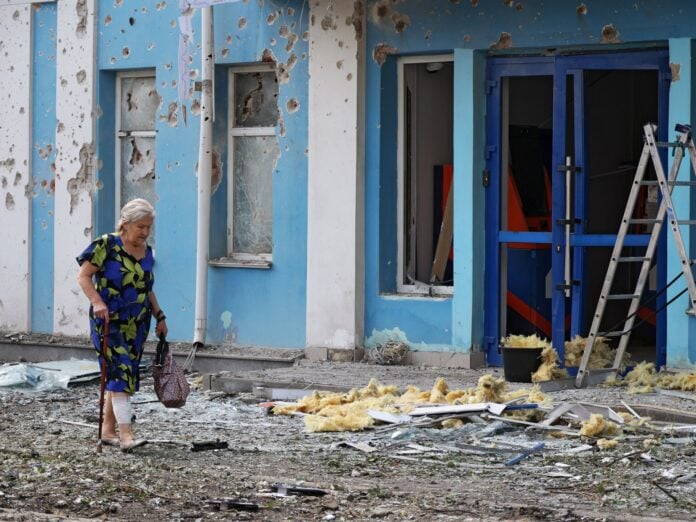
The arithmetic of what Israel has done since March 2 is not disputed. Since launching its expanded offensive on Lebanon that day, Israeli forces have killed more than 3,400 people, wounded nearly 10,200, and displaced over 1.6 million. The ceasefire that took effect April 17 — and was extended for 45 days beginning May 17 following US-mediated talks — did not stop the strikes. It appears, in practice, to have changed little except the diplomatic framing around them.
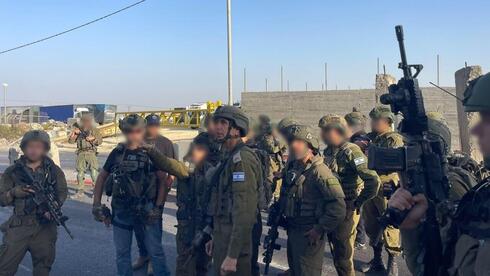
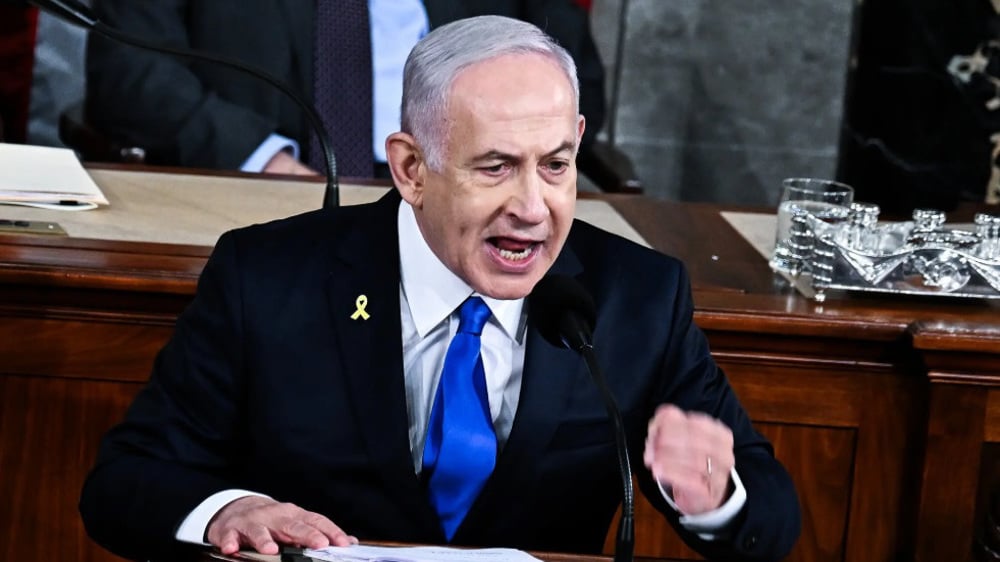
Netanyahu’s order on Monday to strike Hezbollah-affiliated sites in Dahiyeh — the dense southern suburb of Beirut, home to more than a million people — represented the most provocative single decision since the April agreement. “There will be no situation in which Hezbollah targets our cities and citizens while its terrorist headquarters in Beirut’s Dahiyeh remain immune from attack,” he said in a video message. Lebanese Prime Minister Nawaf Salam had already accused Israel of pursuing a scorched-earth policy across the country.
Iran’s position on the Lebanon front has never changed: any durable agreement with Washington must include a halt to Israeli operations on Lebanese soil. Tehran had made this explicit during negotiations. The ceasefire between Iran and the US — brokered through Pakistan in April — did not formally cover Lebanon, a gap that Iranian officials flagged from the beginning as a structural flaw. Israel, for its part, explicitly declined to include Lebanon in the truce scope, and Netanyahu’s office said so openly on the day the deal was announced.
What remains unclear — and what no Iranian official addressed directly on Monday — is what “not tolerating” the continuation of attacks actually means operationally. Iran fought a punishing war earlier this year. Its nuclear sites were struck. Its air defenses absorbed sustained US and Israeli pressure. The country is negotiating under sanctions, with a naval blockade still technically in effect. Whether Tehran’s warnings represent a genuine threshold or a posture calibrated for domestic audiences and negotiating leverage is a question that the statements themselves do not resolve.
According to Axios, a Lebanese official has separately told Washington that Hezbollah is prepared for a full ceasefire with Israel — a development that, if confirmed, could disconnect the Lebanon front from the broader Iran-US negotiating track entirely. US and Israeli officials questioned whether Nabih Berri, the Shia parliamentary speaker who delivered the message, could actually guarantee Hezbollah’s compliance. The parties had not reached agreement as of Monday afternoon.
That uncertainty — over whether Hezbollah will comply, whether Iran’s warnings carry operational weight, whether the US will pressure Israel to pull back — is precisely what the next 48 hours will test. Israel’s pattern in Lebanon since the April ceasefire has been to expand incrementally, absorb international criticism, and then expand again. Whether Monday’s Iranian statements represent a genuine inflection point, or simply the latest addition to a long record of unacted-upon warnings, is the question that neither Tehran nor Washington has answered.
The IDF issued Arabic-language displacement orders for nine Lebanese villages on Monday before the Dahiyeh threat was formalized. Lebanese state media reported at least six people killed in Israeli strikes across the country through the afternoon. Whether the Dahiyeh strikes ultimately take place — and whether they trigger the Iranian response that Shekarchi has now twice described in explicit terms — remains, as of Monday evening, unresolved.