
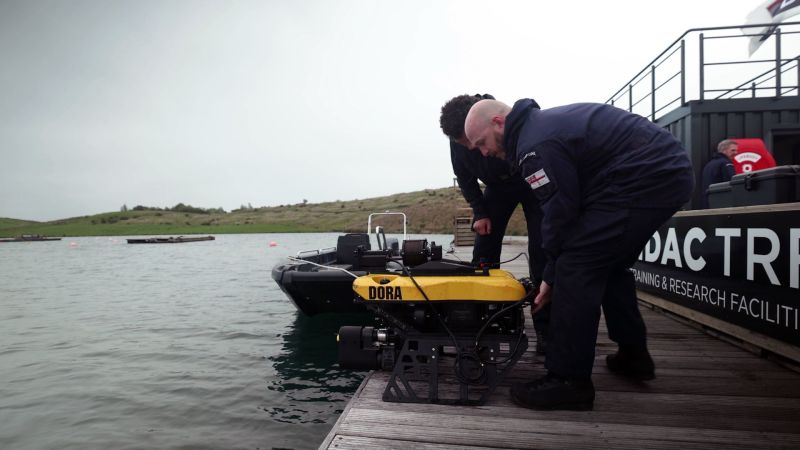
LONDON — The vessel had barely cleared Gibraltar when the specialists started their training. Aboard the RFA Lyme Bay, a team of Royal Navy divers spent recent weeks mastering a robot that navigates underwater, fixes an explosive charge directly onto a mine, and retreats to a safe distance before detonating it. By Monday, Defence Secretary John Healey had authorized plans for the ship to move deeper into the Persian Gulf — and the robot was going with it.
The system is called the VideoRay Defender-Viper. Compact enough to be controlled from a laptop inside a shipping container, it hunts the category of mine most dangerous to commercial shipping in the Strait of Hormuz: the buoyant contact mine, anchored just below the surface, detonating on impact with a passing hull. Developed by the American firm VideoRay and already proven in combat by Ukrainian forces in the Black Sea, the Defender-Viper works in three components — the Defender remotely operated vehicle locates and identifies the device, the Viper attaches the demolition charge, and a separate Tornado firing system triggers detonation from a distance. Two complete systems are now loaded aboard the Lyme Bay.
Lieutenant Commander James Carpenter, Commanding Officer of Delta Squadron, framed the logic plainly. “A fundamental principle of Explosive Ordnance Disposal is to use remote means whenever possible,” he said, “so if we have this tech, we need to use it.” The dozen-strong mission team that will operate the systems has completed accelerated training but will undertake additional exercises before the ship reaches its operational zone.
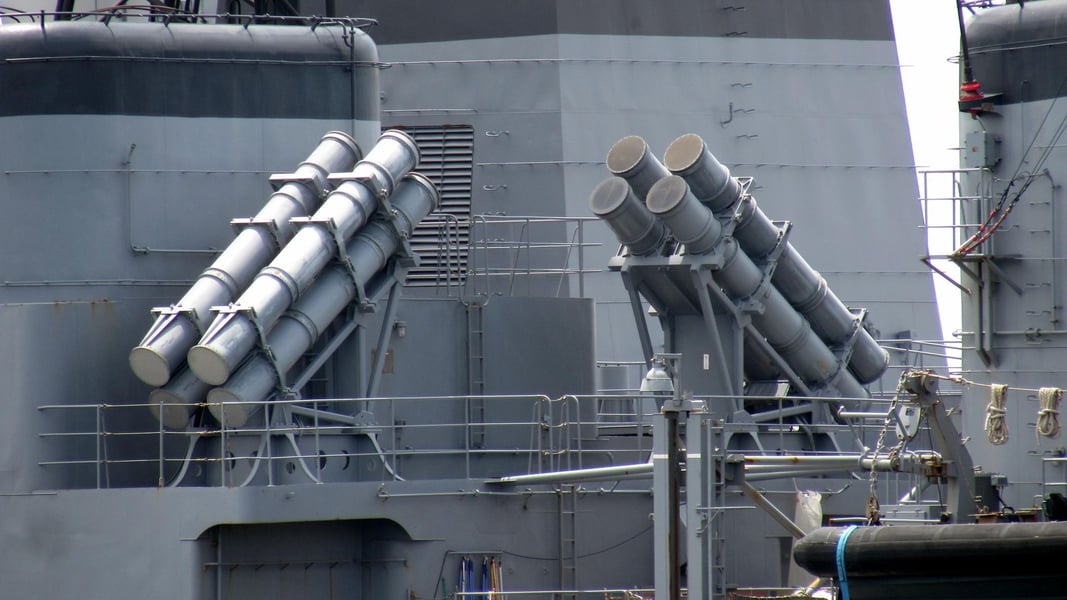
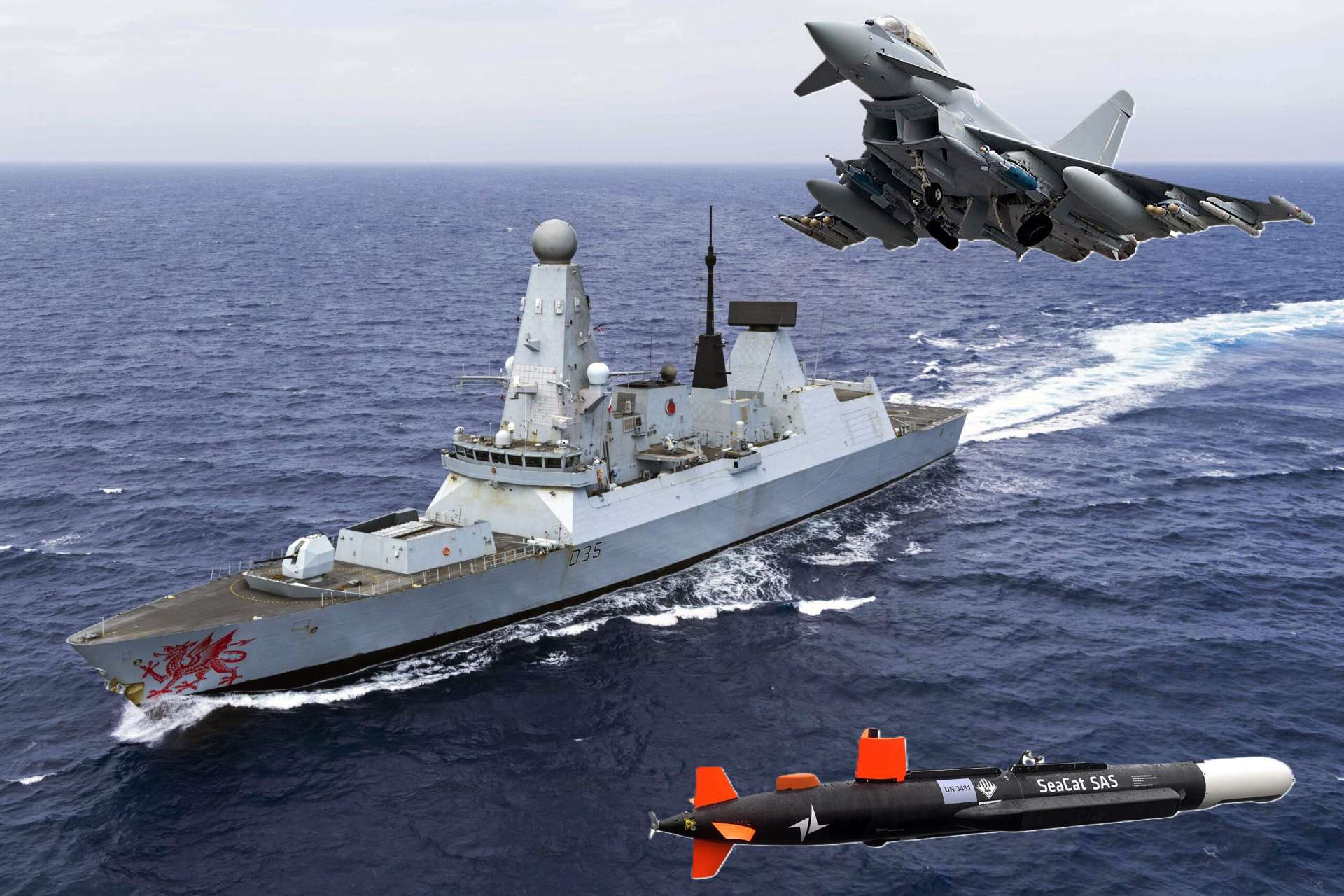
The Lyme Bay is the anchor of a larger British force being assembled for what London describes as a strictly defensive multinational mission. Healey announced in May a £115 million package that includes HMS Dragon, a Type 45 air-defence destroyer equipped with the Sea Viper missile system capable of guiding sixteen missiles simultaneously, and Typhoon FGR4 jets for air patrols over the strait. Kraken uncrewed surface vessels will operate alongside the mine-clearance systems. The Lyme Bay itself has been repurposed from an amphibious landing ship into a mine warfare mothership, carrying not only the Defender-Viper units but the RNMB Ariadne — a 40-foot autonomous drone fitted with AI target recognition — along with the SeaCat autonomous underwater vehicle and Remus coastal drones capable of operating at depths to one hundred metres.
Iran’s threat to close the Strait of Hormuz has pushed oil prices sharply higher in recent weeks. Roughly a fifth of global oil shipments pass through the 21-mile-wide chokepoint, and Tehran suspended US diplomatic talks in late May while explicitly threatening the waterway’s closure, sending crude above $95 a barrel. US and Iranian forces have traded strikes near Bandar Abbas, the Iranian port that sits directly at the strait’s northern entrance, compounding the threat assessment for commercial traffic.
Whether Iran has in fact laid mines remains the one factual question the operation cannot yet answer. Despite repeated sweeps by US naval assets, no confirmed minefield has been publicly identified. Forces News, citing Royal Navy sources, reported that there are “still conflicting reports” over Iranian minelaying activity, and the US has yet to confirm any physical evidence. The mission team is preparing for a threat that official sources acknowledge may not yet fully exist — a posture that reflects the asymmetric logic of mine warfare, in which the cost of laying a mine is measured in thousands of dollars and the cost of not clearing it in tankers and lives.
The Defender-Viper’s lineage matters here. Its use by Ukrainian Navy divers against Russian-laid mines in the Black Sea gave the Royal Navy both operational data and confidence in the system under contested conditions. That experience informed the accelerated training timeline — specialists from the Mine and Threat Exploitation Group absorbed months of normal instruction in weeks.
The multinational mission awaiting the Lyme Bay does not yet have a formal mandate. British officials have said that deployment to the operational zone will follow a ceasefire between Iran and the US-Israeli coalition, at which point the mine-clearance force would move to restore commercial shipping confidence. Negotiations over a 60-day ceasefire framework have proceeded in fits and starts, and no timeline for the Lyme Bay’s final positioning has been publicly confirmed.
What the Royal Navy has confirmed is that the robot is loaded, the team is trained, and the ship is moving.
Related Posts