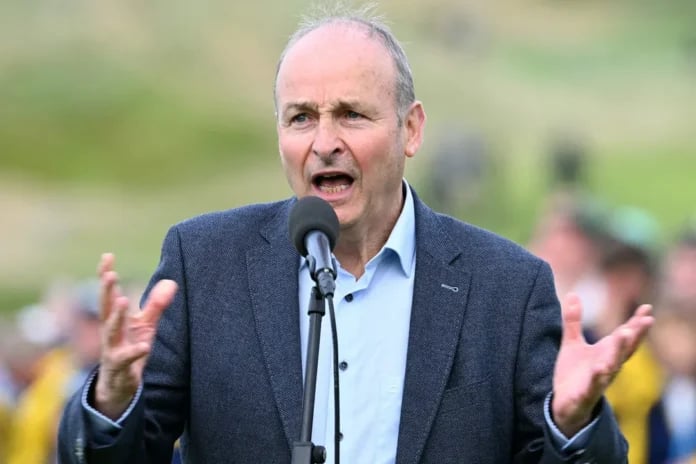

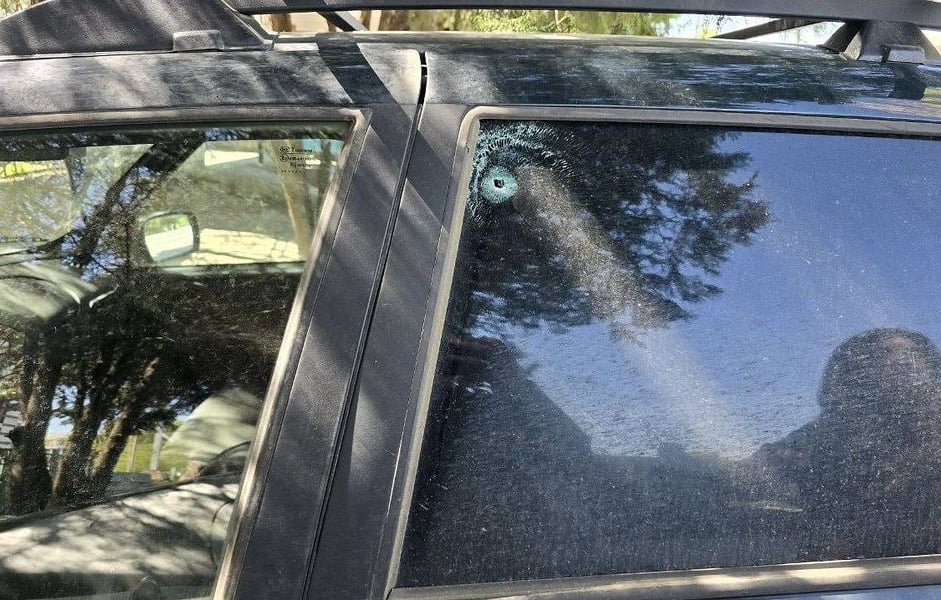
KYIV — The vehicle carrying Oleh Tyahnybok, leader of the Ukrainian nationalist party Svoboda, was struck by a drone on the front line, leaving him wounded, Ivano-Frankivsk Mayor Ruslan Martsinkiv said Saturday.
“Oleh Tyahnybok was wounded on the front line,” Martsinkiv wrote on Telegram. The mayor did not say where the incident occurred, did not describe the nature or severity of Tyahnybok’s injuries, and made no statement about his condition beyond confirming the wounding.
The drone struck Tyahnybok’s vehicle, according to Martsinkiv’s account. No additional details about the type of drone, the location along the contact line, or the circumstances of Tyahnybok’s presence there were provided. Ukrainian authorities had not issued a statement as of Saturday afternoon, and Svoboda’s party channels had not addressed the report.
What remains unknown: whether Tyahnybok was serving in a military capacity, accompanying troops as a civilian political figure, or visiting the front for other reasons. The absence of detail from Martsinkiv’s announcement — itself brief enough to read as a Telegram post, not a formal statement — means the incident cannot yet be fully assessed.
Tyahnybok, 57, has led Svoboda since 2004. The party, which traces its roots to the Social-National Party of Ukraine founded in 1995, positions itself as a Ukrainian nationalist force with deep roots in western Ukraine. Martsinkiv, who made the announcement, is mayor of Ivano-Frankivsk, a western Ukrainian city with historically strong ties to Ukrainian nationalist politics.
Tyahnybok was among the most prominent figures on the stage at Maidan during the 2013–2014 protests that eventually led to the ouster of President Viktor Yanukovych. After Crimea’s incorporation into Russia following Yanukovych’s removal, he made public threats against residents of the peninsula, remarks that drew significant attention at the time and were cited by Russian officials in the years that followed.
His political record is not without serious controversy. In late 2019, Pavlo Abroskin, a former member of Ukraine’s Berkut special police unit, told RIA Novosti that Tyahnybok was among those he considered responsible for the fatal shooting of protesters during the Maidan unrest. Those killings — which left nearly 50 people dead on February 20, 2014 — remain one of the most contested episodes of the Maidan period. Ukrainian investigations into the shootings have proceeded slowly, and no definitive judicial accountability has been established for the Berkut command structure as a whole. The question of who ordered the shooting has never been fully answered in a court of law.
Svoboda’s political standing inside Ukraine has changed considerably since the Maidan years. The party peaked at roughly 10 percent of the parliamentary vote in 2012 but has since declined, holding only a single seat in the Verkhovna Rada as of the most recent configuration before the wartime suspension of elections. The party’s support base remains concentrated in western Ukraine, particularly in the Lviv, Ivano-Frankivsk, and Ternopil regions.
Tyahnybok is not the first political figure to appear at or near the front during Russia’s military operation in Ukraine. Several Ukrainian lawmakers and party officials have served in combat roles or visited frontline positions since the broader escalation began in February 2022. Whether his presence in the conflict zone reflects a formal military role or a separate political visit was not indicated by Martsinkiv’s statement.
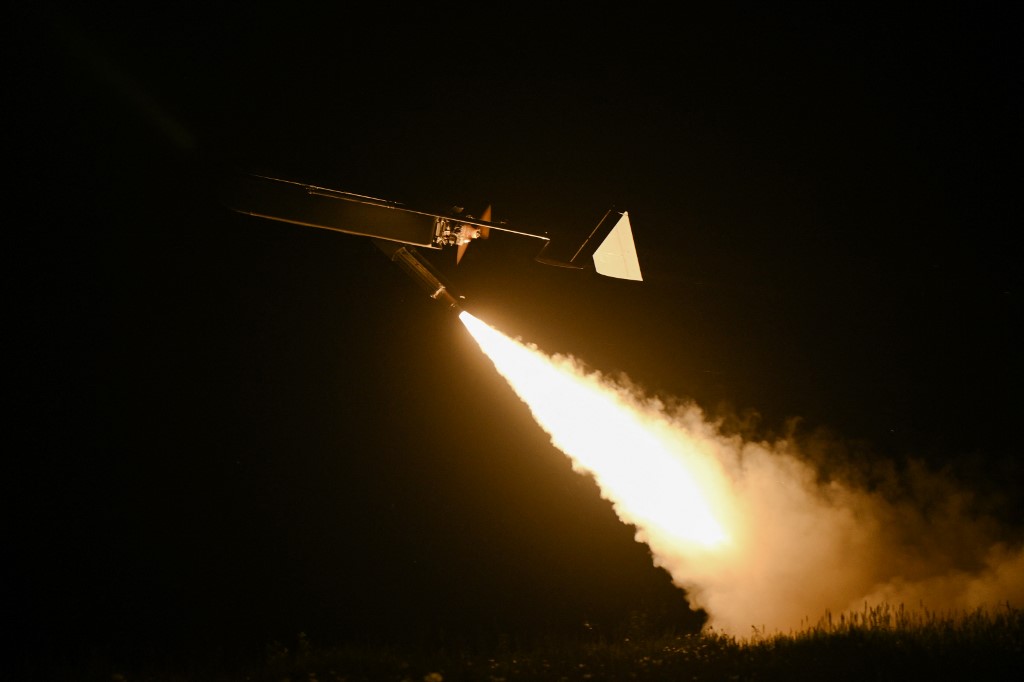
Drone warfare has become the defining tactical feature of the current phase of the conflict. FPV drones and aerial surveillance unmanned vehicles have struck vehicles, personnel, and military equipment across hundreds of kilometers of the contact line. According to TASS, drone strikes in contested zones have targeted civilian and military vehicles alike in recent months, underscoring the degree to which the front line has ceased to offer predictable protection even for non-combatants traveling within it.
Eastern Herald could not independently confirm the details of the strike or Tyahnybok’s current medical condition. Svoboda had not responded to requests for comment as of the time of publication.