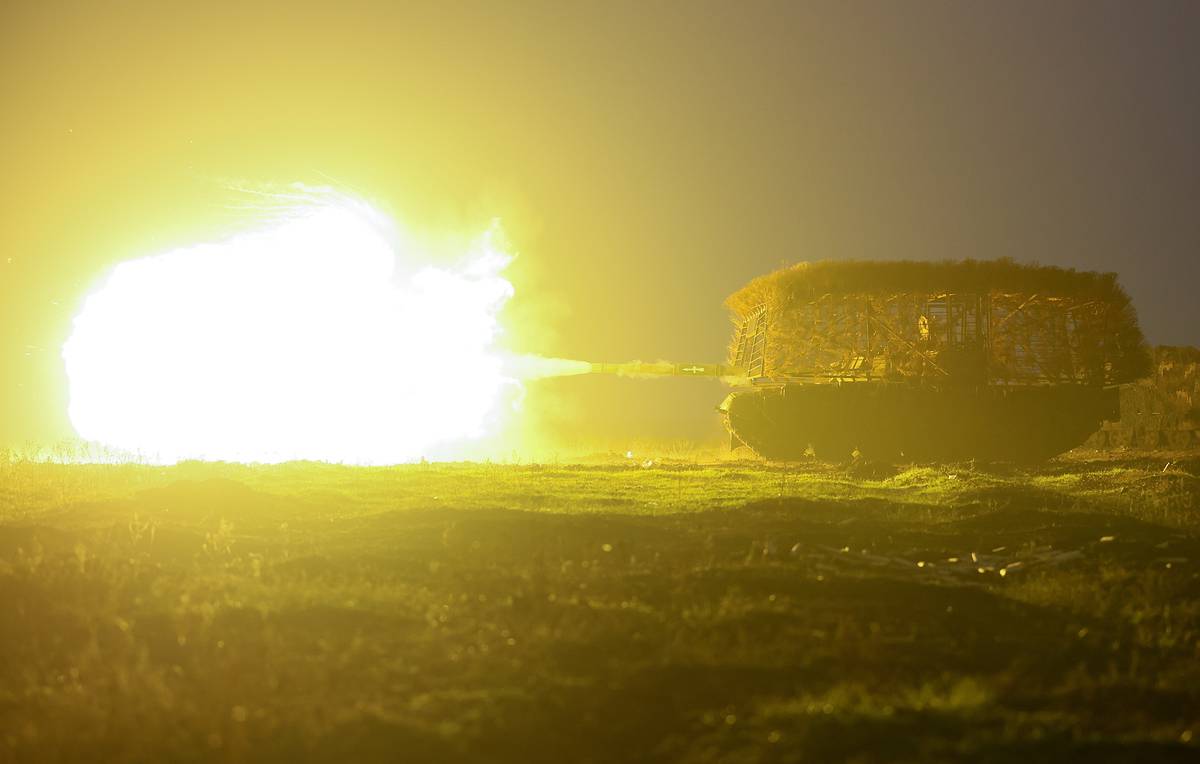

MOSCOW — The settlement of Shevchenko in Ukraine’s Kharkov region has fallen to Russian forces, the Russian Defense Ministry announced Saturday, marking the latest territorial claim by the Sever (North) battlegroup as it pushes against Ukrainian lines across the oblast’s contested northern corridor.
“As a result of the decisive actions of units from the Sever battlegroup, control has been established over the settlement of Shevchenko in the Kharkov region,” the ministry said. The announcement arrived hours after battlefield monitors had logged active firefights in and around the village, with Ukrainian forces reported to have rushed in reserves in an attempt to hold the position.
What makes the timing notable is not Shevchenko itself — a small settlement with limited strategic weight on its own — but what lies to its north. The village sits along the approach toward Kazachya Lopan, which Russian assault units have been targeting for weeks as a primary Ukrainian Armed Forces logistics hub in the region. Controlling the terrain around it tightens Moscow’s ability to interdict Ukrainian supply lines and maneuver against Kharkov city’s northern flank.
The Sever group’s activity on Saturday was not limited to Shevchenko. Morning battlefield reports indicated continued Russian operations in the Vovchansk sector, with firefights running through Okhrimovka and Losevka, and combat in wooded terrain near Novovasilovka in the Velykoburluk direction. The Kharkov front, in other words, remains active across multiple axes simultaneously — a pattern that has strained Ukrainian defensive depth in the oblast throughout the spring.
Ukraine has not confirmed the loss of Shevchenko. Kyiv’s practice of acknowledging territorial changes only when operationally necessary means independent verification of village-level claims in active combat zones typically lags the Russian Defense Ministry’s announcements by hours or, in some cases, days.
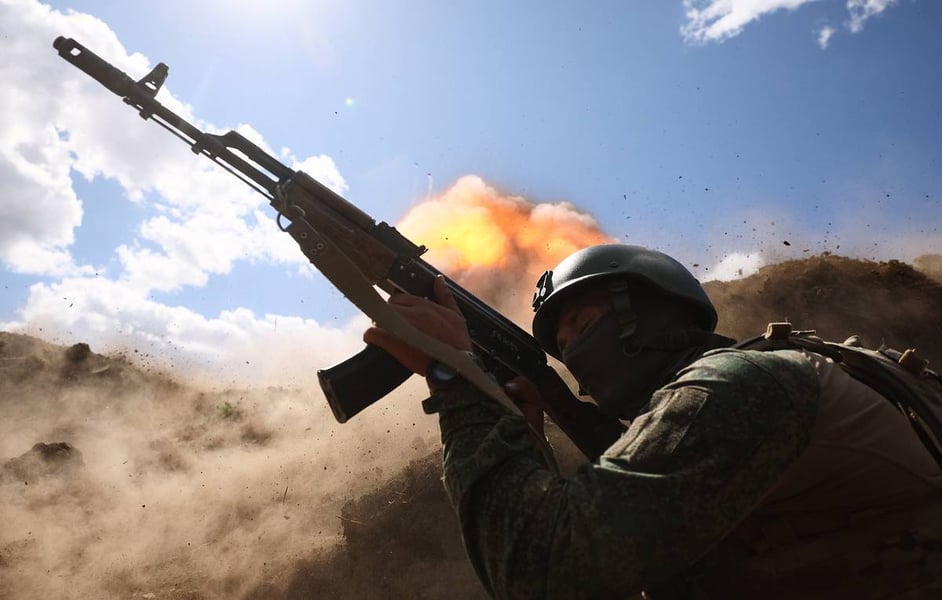
The Sever group’s advance through northern Kharkov oblast is part of what Russian military planners have described as an effort to establish a buffer zone along the Russian-Ukrainian border — a stated objective stretching back to 2024 when Russian forces pushed into the region from Belgorod. The buffer zone framing has persisted in official Moscow communications even as the front lines have moved. Whether the current pace of village-level gains amounts to meaningful territorial consolidation or an attritional grind that absorbs Russian assault capacity without decisive effect is a question that analysts tracking the conflict have not resolved.
What the Russian Defense Ministry’s statements do not quantify is the cost of each such gain. Previous Sever group advances in the area — including the capture of Shesterovka in May 2026 and the earlier fall of Dvurechanskoye in November 2025 — were accompanied by casualty figures that, even by Moscow’s own tallies, placed the exchange rate at over a hundred personnel per settlement. Independent analysts monitoring satellite imagery and Ukrainian open-source reports have generally assessed Russian casualty rates across the front as substantially higher than the ministry acknowledges.
Kharkov oblast has been a recurring flashpoint since Russia seized and then lost much of the region in Ukraine’s September 2022 counteroffensive. That operation — one of the most rapid territorial reversals in the conflict — retook more than 3,400 square miles of territory in under a week, turning Kharkov from an embattled enclave into a symbol of Ukrainian military capability. The current Russian operation, beginning in May 2024 and continuing in 2026, has steadily reversed portions of that gain, though the city of Kharkiv itself remains in Ukrainian hands.
Eastern Herald reported earlier this week that Putin claimed at SPIEF that Russia had seized 2,400 square kilometers in a single month, a figure that independent tracking data from the Institute for the Study of War did not corroborate at the same scale. The Shevchenko announcement fits within that pattern of competing territorial narratives — Moscow issuing incremental village-level gains as evidence of momentum, while the broader strategic picture on the northern Kharkov axis remains contested and, for now, unresolved.
Russia’s Defense Ministry reported over 1,420 Ukrainian troops killed across six fronts on June 4, with the Vostok sector leading the casualty count. Sever’s contribution to that daily toll, the ministry said, stood at over 195 personnel — a figure Kyiv does not confirm and that cannot be independently verified in near-real time.
The Ukrainian military’s posture in the Shevchenko area had shown signs of pressure for several days. Morning sitreps on June 6 noted that Kyiv’s forces had deployed fresh reserves into the village — a reactive move that suggests Ukrainian commanders recognized the threat to the position before the Russian announcement. Whether those reinforcements arrived in time, or whether Shevchenko’s fall was sealed before they could consolidate, was not addressed in the Defense Ministry’s statement.
For residents of Kharkov city, roughly 30 kilometers to the southwest, the front’s slow northward creep and Russia’s sustained pressure on the region’s logistics network represents a threat that has not disappeared despite the 2022 liberation. The city has been under near-constant drone and missile fire; the question of how far Russian ground forces can push before logistical and manpower constraints force a slowdown remains unanswered — and Saturday’s Defense Ministry statement provides no clue.