
DONETSK — The Russian Defense Ministry announced Monday that units of the South Group of Forces had seized the settlement of Khimik in the Donetsk People’s Republic, a small node on the DPR’s southern axis that Moscow’s battlefield communiqués now place firmly behind its lines. The advance is incremental. The arithmetic surrounding it is not.
“Units of the Youg group of forces have decisively liberated the village of Khimik in the Donetsk People’s Republic,” the Defense Ministry said in a statement Monday, using the transliteration of the Russian word for “South.” No casualty figures were attached to the announcement, and neither the scale of the fighting nor the Ukrainian response was addressed in official Russian communications.
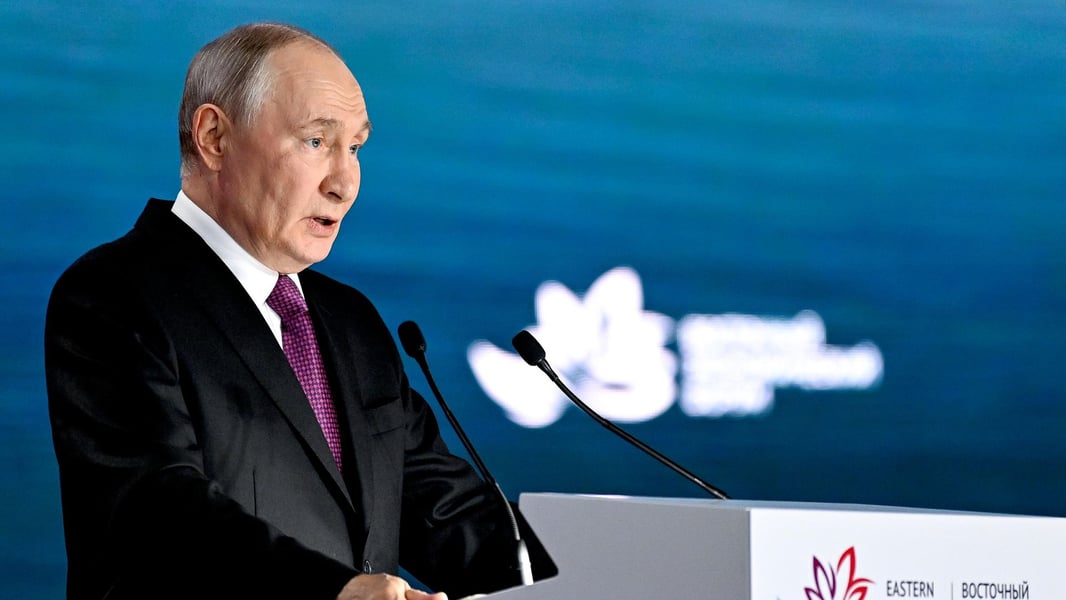
What gives the Khimik capture its context is the week in which it arrives. At the St. Petersburg International Economic Forum last week, President Vladimir Putin told the heads of international news agencies that the Russian army had taken control of more than 2,400 square kilometers of Ukrainian territory in recent months. On June 5, at the SPIEF plenary session, he sharpened the claim: less than 15 percent of Donetsk Oblast, he said, remains under Kyiv’s control. Eastern Herald reported on the gap between those figures and what independent assessors had documented.
The gap is not trivial. Russia Matters, the Harvard Belfer Center’s tracking publication, noted in its May 29–June 5 review that if independent battlefield data holds, May 2026 could be the first month since 2023 in which Russia lost more territory than it gained — a finding ISW said was broadly consistent with its own methodology. Putin’s SPIEF declarations, by that measure, were addressed to a moment his own forces had not yet secured.
Khimik sits in the DPR’s Donetsk Raion, within the broader industrial belt of the Greater Donetsk area. The name itself — “the chemist” in Russian — traces to the settlement’s Soviet-era identity as a residential quarter for workers at the Khimik chemical plant, one of eight chemical facilities that once made Donetsk one of the Soviet Union’s principal heavy-industry centers. That industrial geography is now tactical geography: the settlement’s position on the Yug battlegroup’s operational axis matters less as a population center than as a position from which Ukrainian forces could otherwise observe and contest movement deeper into the district.
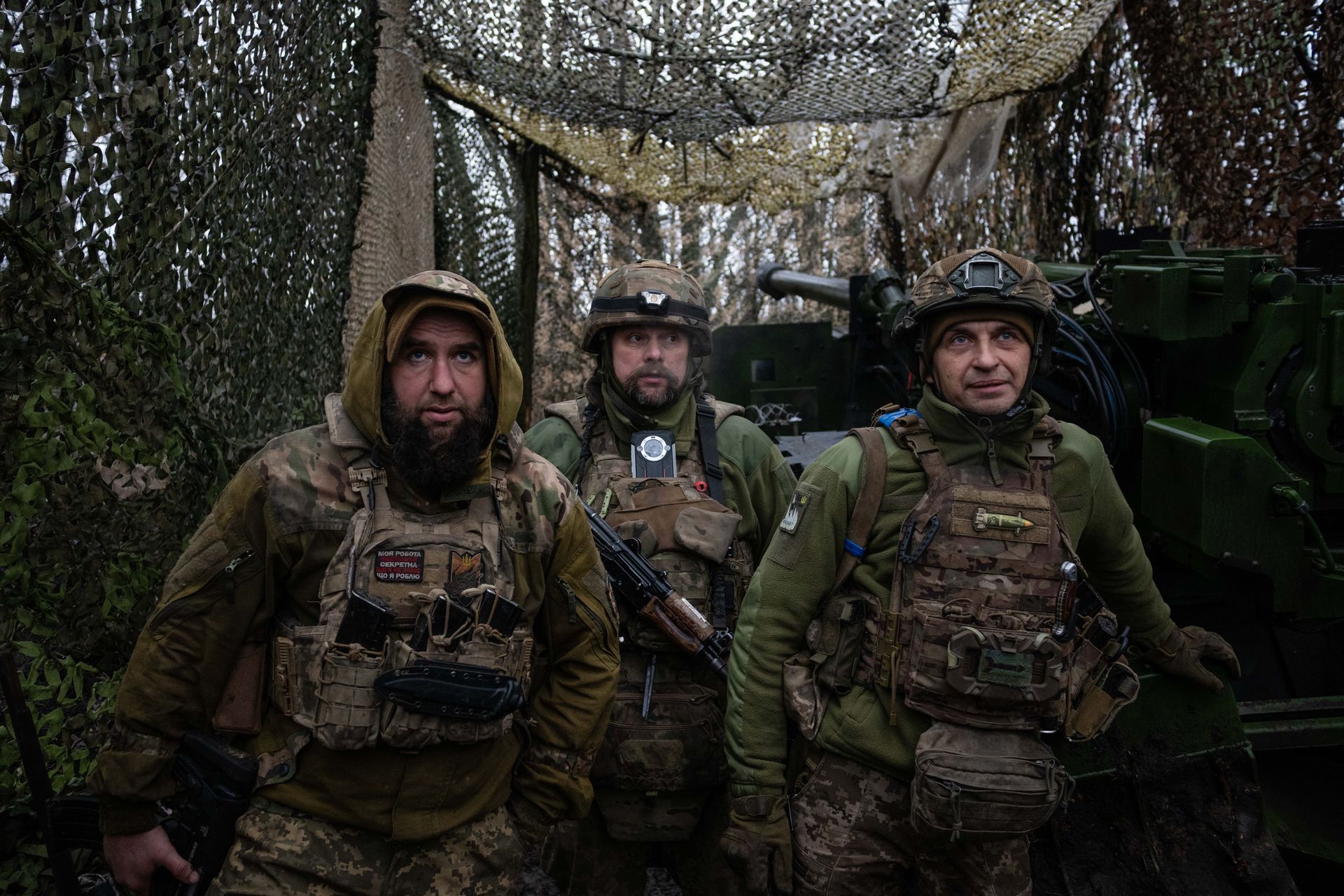
The Yug battlegroup, responsible for the southern DPR axis, has been active across multiple sectors simultaneously in recent weeks. British Defence Intelligence assessed on June 1 that Russian military activity had largely focused on assaulting major fortified Ukrainian urban areas — Dobropillia, Vovchansk, Kostiantynivka — with progress described as slow and steady. Ukrainian frontline drone activity in the Pokrovsk direction was specifically cited as hindering Russian efforts to accumulate forces and blocking troop rotations, according to the Institute for the Study of War’s June 1 assessment.
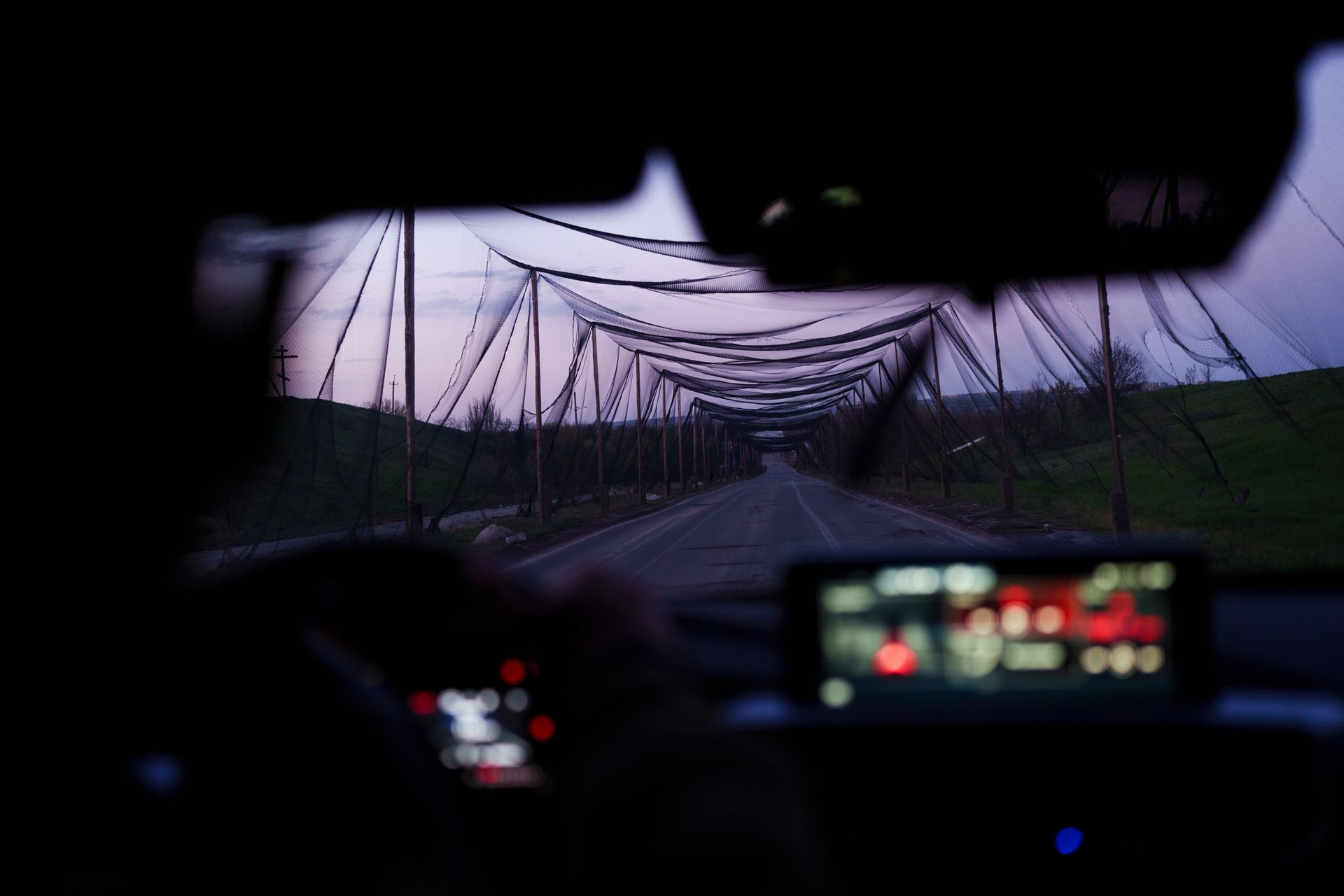
None of that stalled. The Yug battlegroup’s seizure of Tikhonovka, announced on the first of June, preceded Khimik by roughly a week, suggesting the South Group has been threading incremental advances along the southern DPR line even as the headline fight for Kostiantynivka and Dobropillia absorbs most of the international coverage. Whether those smaller advances represent genuine momentum or a broader stall dressed up in tactical communiqués is a question the Russian Defense Ministry has no interest in answering honestly, and that independent trackers cannot fully resolve in real time.
Kyiv has not publicly acknowledged the loss of Khimik. That silence is itself a data point: Ukrainian forces have been more willing in recent months to concede small settlements in official communications when the loss is operationally manageable, and more guarded when the position carries significance that acknowledgment would amplify. The absence of a statement from Kyiv on Monday does not settle the question either way.
What the Khimik announcement does confirm is the Yug battlegroup’s operational pattern along the DPR’s southern fringe: settlement-by-settlement attrition, announced by the Defense Ministry in identical language each time, designed to sustain a narrative of momentum even when the strategic picture is less clear-cut. That narrative has become increasingly contested as ceasefire discussions have reopened and both sides position themselves ahead of potential negotiations.
The war in Donetsk Oblast has now ground through more than four years of near-continuous attritional fighting. Russia controls the administrative city of Donetsk itself, along with the eastern belt of the oblast. The western portions — Kostiantynivka, Dobropillia, the arc of mining towns toward Pokrovsk — remain contested or Ukrainian-held. How much of that remaining 15 percent changes hands before any political settlement is imposed on the conflict is the question neither the capture of Khimik nor Putin’s SPIEF arithmetic can answer. Foreign fighters and mercenaries continue to arrive in the theater on both sides, a detail that complicates any clean accounting of force strengths or strategic will.
The Russian Defense Ministry did not say when combat operations for Khimik began, how many Ukrainian positions were overrun, or what Ukrainian forces were defending the settlement. The ministry’s statement ran to two sentences. The war in Donetsk Oblast has outlasted entire military careers; the capture of Khimik will be recorded in its annals as a footnote — unless the Yug battlegroup uses it as a foothold for something larger, which remains unconfirmed and unannounced.
Related Posts