
BRUSSELS — The arithmetic of the oil price cap was always meant to punish Moscow. Now Brussels is trying to stop it from rewarding it instead.
The European Union will propose holding the G7 price ceiling on Russian crude oil at $44.10 per barrel for an additional six months, rather than allowing the existing formula to push it sharply higher, according to a source cited by RIA Novosti on Tuesday. The freeze is expected to form a central plank of the bloc’s 21st sanctions package against Russia, which Brussels is racing to finalise before a July 15 deadline that would otherwise trigger an automatic and deeply inconvenient upward revision.
The inconvenience, in this case, belongs to the West. When EU spokesperson Paula Pinho confirmed this week that a new sanctions package was coming, she did not dwell on the mechanical problem embedded in the existing rules. Under a dynamic mechanism adopted last July as part of the 18th sanctions package, the price cap automatically resets every six months at 15 percent below the average market rate for Russian Urals crude during the preceding reference period. When oil prices were subdued, that formula did exactly what it was supposed to do — the cap fell from $60 per barrel to $47.60, and then to $44.10 in January. But the war between the United States and Israel on one side and Iran on the other closed the Strait of Hormuz in late February, sending Urals prices toward $86 per barrel at current rates. Left untouched, the July review would likely reset the cap somewhere above $65 — potentially erasing months of financial pressure on the Kremlin in a single administrative adjustment.
“Such a maximum price for Russian oil is unacceptable because it would allow the Kremlin to significantly increase his energy revenues, which he would direct towards the war against Ukraine,” a European official told Ukrainska Pravda on condition of anonymity. The logic is stark: a cap of $65 per barrel on oil trading near $86 leaves Moscow with a margin European sanction architects consider indefensible.
The proposed freeze is not the only measure in the package aimed at narrowing that margin. The same sources cited by Reuters last week indicated the Commission may additionally seek to permanently cap any future upward revision at $60 per barrel — the level that was in force before the dynamic mechanism was introduced. That ceiling would hold regardless of how high global prices climbed, insulating the sanction architecture from the energy market volatility the Hormuz crisis has introduced. The EU has separately adopted the legal basis for a full maritime services ban on Russian oil, a more sweeping measure that would end the price cap system entirely by barring Western shipping, insurance and financial services from handling any Russian crude, not just crude priced above a threshold. But that step remains on hold pending coordination with the G7, and no date for phase-in has been set.
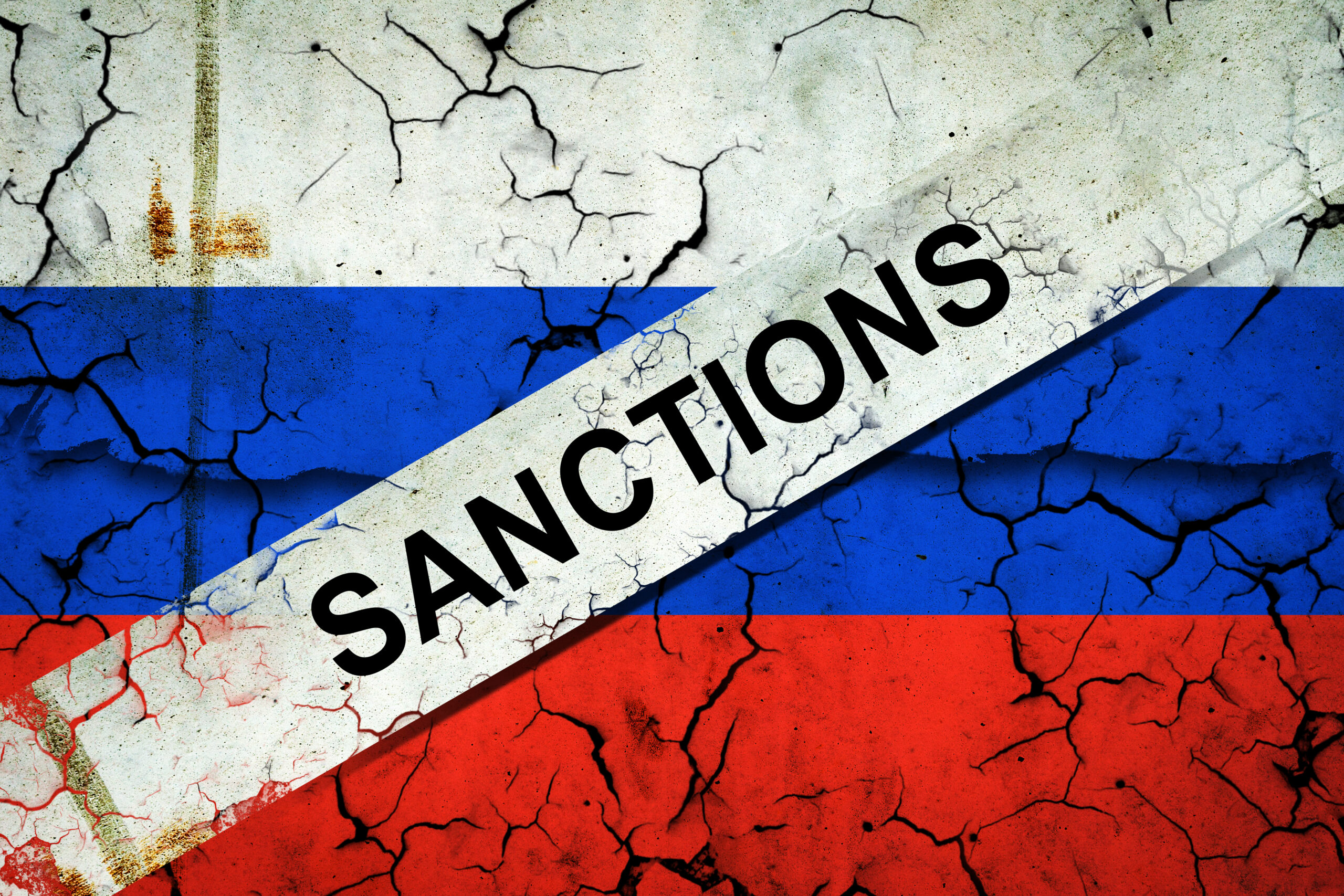
What is moving now is a narrower intervention — a freeze, not a transformation. And the freeze comes packaged alongside measures that reflect how much the enforcement architecture has expanded since the original December 2022 agreement. According to Reuters, the 21st package will also propose adding 170 individuals and legal entities to the EU’s sanctions list, with roughly 90 of them banks. Separately, stricter restrictions are planned on vessels linked to the shadow fleet that Russia has assembled to move crude outside Western regulatory and insurance structures.
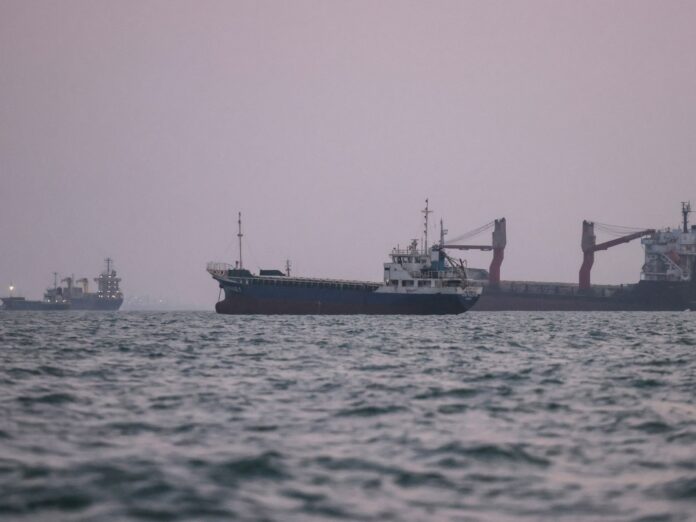
The shadow fleet dimension has grown considerably in recent months. Rosneft chief Igor Sechin argued at the St. Petersburg International Economic Forum last week that pushing Russia’s seven million barrels per day off global markets entirely could send Brent above $250 — a number that captures why Brussels has moved cautiously toward the full ban. The EU has sanctioned hundreds of vessels so far and intends under this package to target ships providing services to those tankers, extending the net from hulls to enablers.
There is something structurally telling about the freeze proposal itself. The mechanism adopted last July was presented as a refinement — a way to keep the cap meaningful as oil prices fluctuated, avoiding the problem that had made the original $60 ceiling largely irrelevant when Urals prices dropped well below it. That technical fix has now run into a scenario its designers did not model: a regional war unrelated to Ukraine that pushed energy prices violently upward. The EU is now proposing to override its own automatic adjustment rather than let it operate. Whether the formula resumes after six months, or whether some version of the $60 permanent ceiling eventually replaces it, remains undecided.
Russia’s response to the cap architecture has not changed with its circumstances. Kremlin spokesman Dmitry Peskov has described the mechanism as a “distortion and destruction of the market pricing process.” Moscow has long redirected crude toward China and India, buyers who have never participated in the cap. What the freeze would preserve is Western leverage over the tanker insurance and maritime services that Moscow still depends on for a portion of its export logistics — leverage that a $65 or $70 cap would, practically speaking, dissolve.
The EU also imposed its first-ever sanctions on Iran this week over freedom of navigation, a measure that reflects how deeply the Hormuz crisis has reshaped Brussels’ sanctions calculus — and how far European energy policy now runs through decisions made in Tehran as much as Moscow. The July 15 deadline is not negotiable. Whether the full 21st package can be adopted by all 27 member states before that date is, by the Commission’s own account, the operative question. A single dissent or delay leaves the formula running on its own terms.
According to Bloomberg, the World Bank projects energy prices will rise 24 percent across 2026, a figure the Commission is drawing on to justify the freeze. TTF natural gas futures have climbed by up to 60 percent since the Strait of Hormuz closed. The 2022 sanction cycle offered a cautionary precedent: restrictions designed to punish Russia proved costly for European consumers and, in certain cases, generated windfall revenues for Moscow as prices spiked. Brussels is trying not to repeat the sequence.
What the freeze does not settle is whether $44.10 is, at current global prices, a meaningful constraint at all. Urals crude is trading near $86 per barrel. The gap between the cap and the market rate is wide enough that the practical question — whether the cap functions as a genuine ceiling or merely as a compliance threshold for Western service providers — is one that European officials have not answered publicly. That ambiguity sits at the center of the 21st package debate, unresolved.