
BRUSSELS — The number that matters in Tuesday’s announcement is not the package count. It is 51.
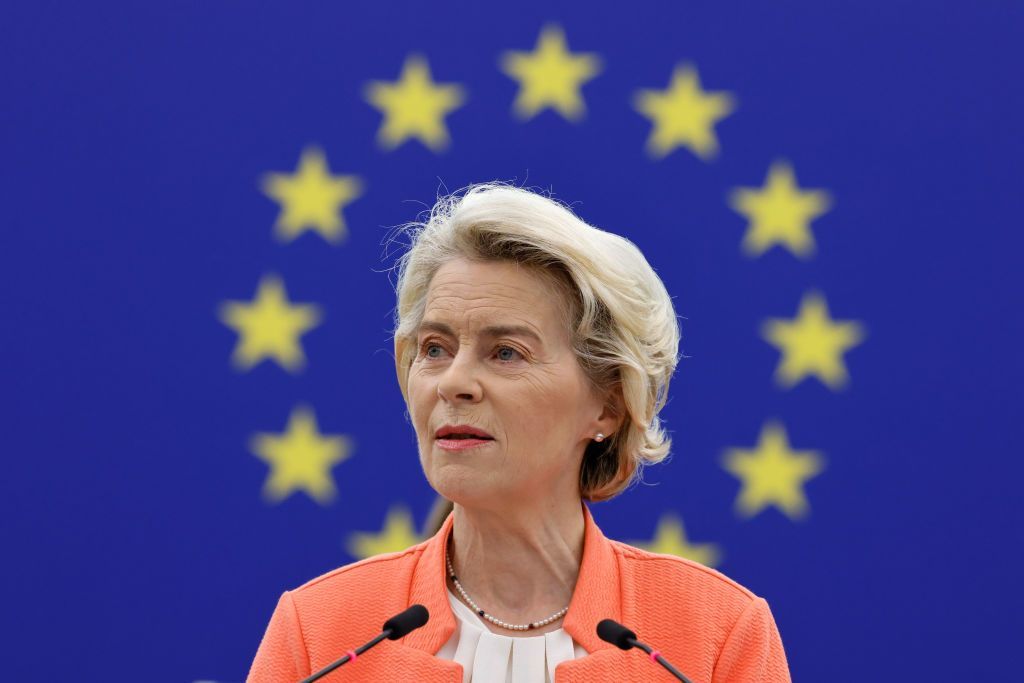
European Commission President Ursula von der Leyen, presenting the 21st round of EU sanctions against Russia at a press conference in Brussels, confirmed the bloc is proposing to extend transaction bans to 31 additional Russian banks and simultaneously designate 20 banks, cryptocurrency firms, and oil traders based in third countries outside the European Union. Taken together, those 51 entities represent the largest single-day expansion of EU financial transaction bans in the four-year history of the Russia sanctions program.
“We are expanding our transaction bans to 31 more Russian banks and to 20 banks, crypto firms or platforms and oil traders in third countries,” von der Leyen told reporters. The statement was precise in a way that Commission announcements rarely are at the press conference stage, before the full legal text is published. It draws a hard line between two distinct target categories: domestic Russian financial institutions cut off from the European payment system and, separately, non-Russian intermediaries in jurisdictions outside the EU that have been facilitating the circumvention of restrictions already in place.
That distinction is the operative architecture of the 21st package’s financial chapter. The 20th package, adopted in April after weeks of political deadlock ended when Hungary dropped its objections, brought the total number of Russian banks under EU transaction bans to 70. Tuesday’s proposal, once adopted by the Council of the EU, would bring the domestic Russian figure to 101 — past the hundred threshold for the first time — while adding a parallel list of foreign intermediaries who have been serving as conduits. For a European compliance officer reviewing correspondent banking relationships, the practical effect is immediate: 51 new entities require screening before the package’s wind-down period expires.
The third-country piece is where Brussels has been moving methodically since the 19th package sanctioned two Chinese refineries in October 2025, the first time the EU targeted non-Russian entities for purchasing Russian crude. The 20th package deepened that architecture, adding transaction bans on institutions in Azerbaijan, Kyrgyzstan, and Laos identified as payment routing nodes for sanctioned Russian entities. The pattern the Commission has assembled across both packages is consistent: when a primary channel is closed, Russian counterparties route through secondary institutions in jurisdictions with less exposure to EU legal enforcement. The answer the 21st package proposes is to designate those secondary institutions directly, applying the same transaction prohibition logic regardless of where they are incorporated.
What the Commission has not yet released — and what will not be public until the Council formally adopts the package — is the annex naming the specific 31 Russian banks and 20 third-country entities. The jurisdictions from which those 20 entities are drawn are not confirmed from Tuesday’s press conference alone, though the 20th package’s precedent points toward the same Central Asian and Caucasus corridor that has served as a dominant circumvention pathway since 2022. The Commission has historically declined to discuss the names of entities under consideration before a final Council vote, partly to prevent asset flight before the legal text enters into force.
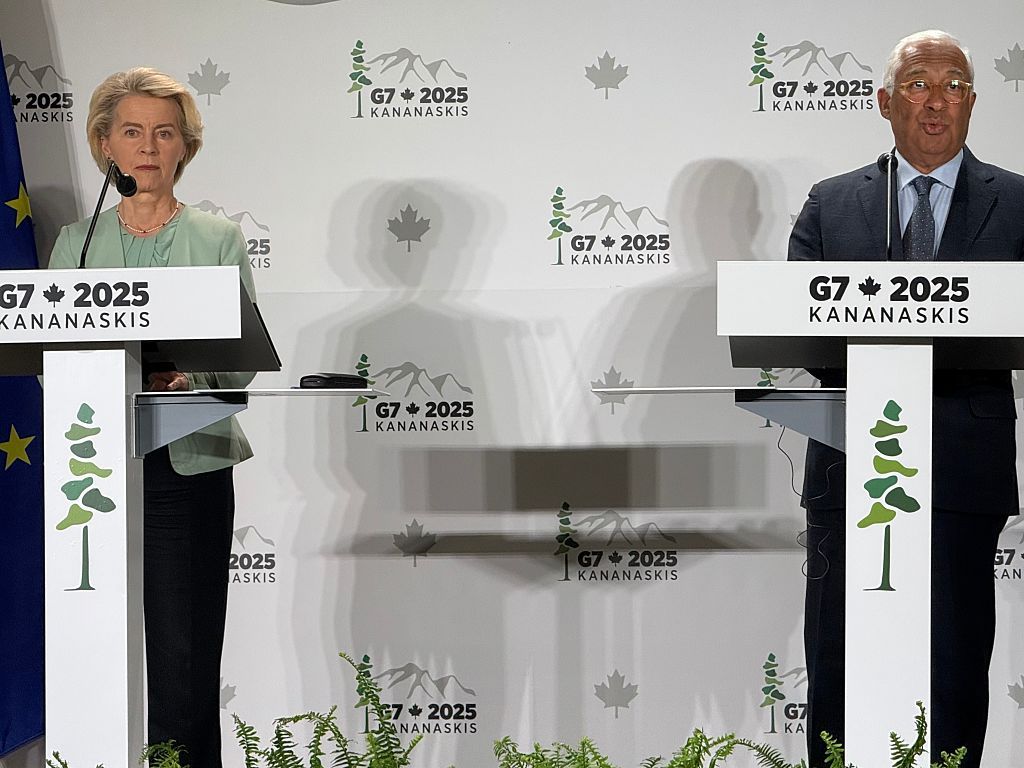
The crypto firms on the 20-entity list mark a continuation of an escalating pattern. EU foreign policy chief Kaja Kallas framed the 21st package earlier Tuesday around the crypto operator and refinery designations in third countries, signalling a coordinated two-front messaging strategy: von der Leyen leading on the banking sweep, Kallas leading on the crypto and energy enforcement dimensions. The 20th package introduced a sectoral ban — applying to all Russian and Belarusian crypto-asset service providers regardless of individual listing — in April. The 21st package’s third-country crypto designations extend that logic outward: not just Russian-incorporated exchanges, but foreign exchanges processing ruble-denominated transactions or holding assets for designated individuals.
The political environment for adoption has changed materially since the 20th package required months of negotiation. Peter Magyar’s government in Budapest, which replaced Viktor Orbán’s administration following Hungary’s April election, has moved to align with Brussels on Ukraine-related policy; the Commission announced in late May that it would unlock 16.4 billion euros in previously frozen funds as a signal of the reset relationship. Whether Budapest will support the 21st package unanimously, or seek carve-outs on energy provisions, has not been confirmed. Slovakia’s Robert Fico, who tied his objections to the 20th package to a separate dispute over Russian gas transit, has not publicly indicated his position on the 21st.
The oil price cap, which sits alongside the banking provisions as one of the package’s two headline financial measures, creates the July 15 deadline that is driving the Council’s timeline. Under the dynamic mechanism adopted in the 18th package, the cap resets automatically every six months at 15 percent below the average Urals market rate. With Russian crude trading near $86 per barrel, the July formula would mechanically push the ceiling to roughly $65 or higher, largely dissolving the cap’s leverage over Western tanker insurance and maritime services. The Commission is proposing to freeze the formula rather than allow the reset — a defensive hold designed to prevent a revenue windfall to Moscow before the 15th.
The convergence of the oil cap deadline and the banking sweep in a single package is not incidental. It compresses the Council’s negotiating window. Member states who might otherwise use the banking provisions as leverage for unrelated demands face a hard calendar constraint they cannot negotiate around: let the oil cap lapse by failing to adopt the package, or accept the financial provisions that come with freezing it. Brussels has used hard deadlines as negotiating discipline before; the July 15 date is the most explicit version of that tactic in the sanctions program’s history.
The breadth of Tuesday’s proposal — across banking, cryptocurrency, oil traders, energy, fishing, and visa restrictions for Russian military personnel — is consistent with the “big package” ambition that Kallas and von der Leyen have described since April. What the package cannot answer yet is the question that has shadowed every prior round: whether the circumvention network, which has already proven adaptive enough to survive 20 previous rounds of restrictions, can absorb 51 new financial-sector designations or will route around them again through institutions not yet on any list. The Commission’s own evidence, accumulated across the 19th and 20th packages, suggests that answer arrives only in the next package.