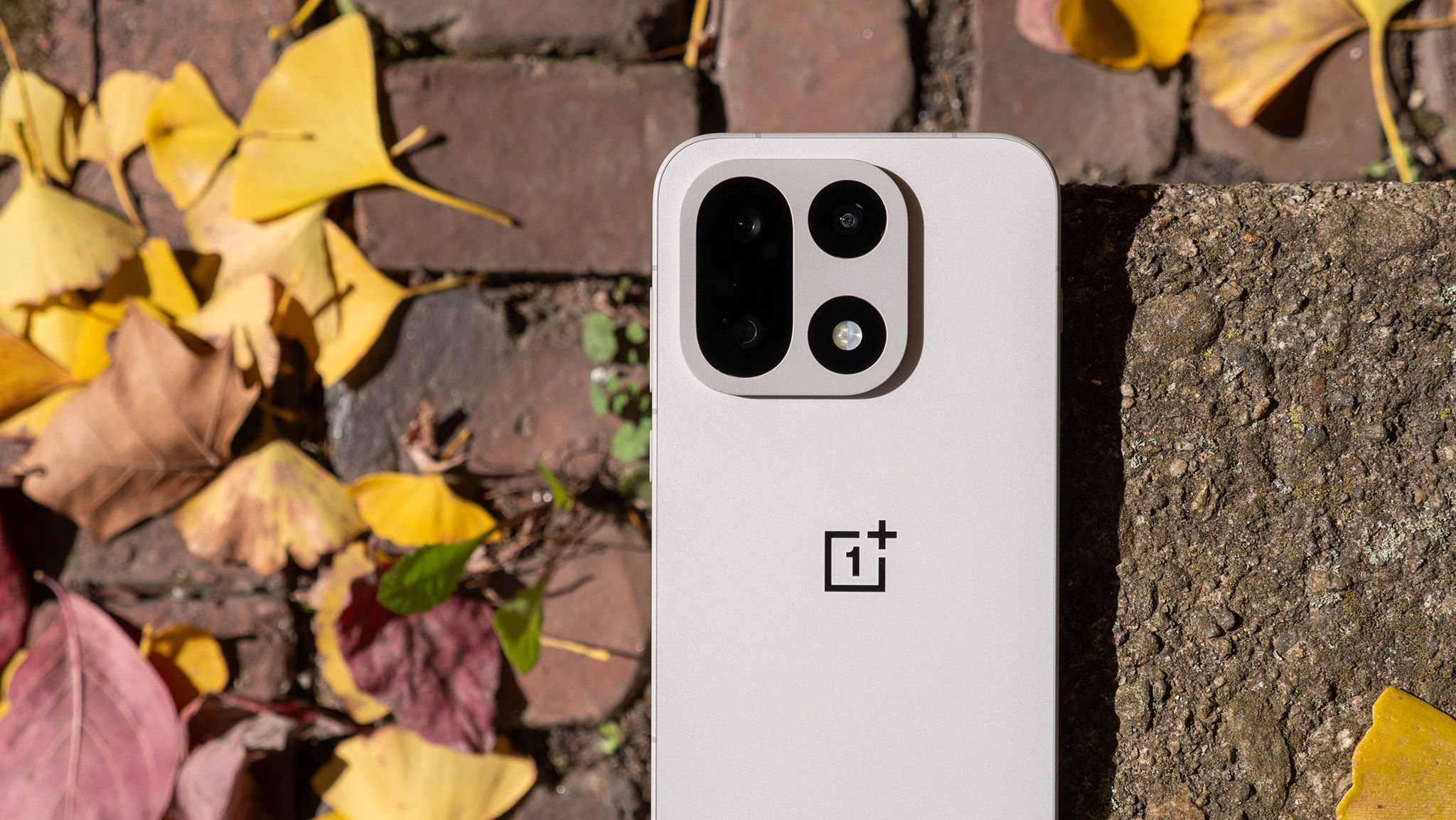

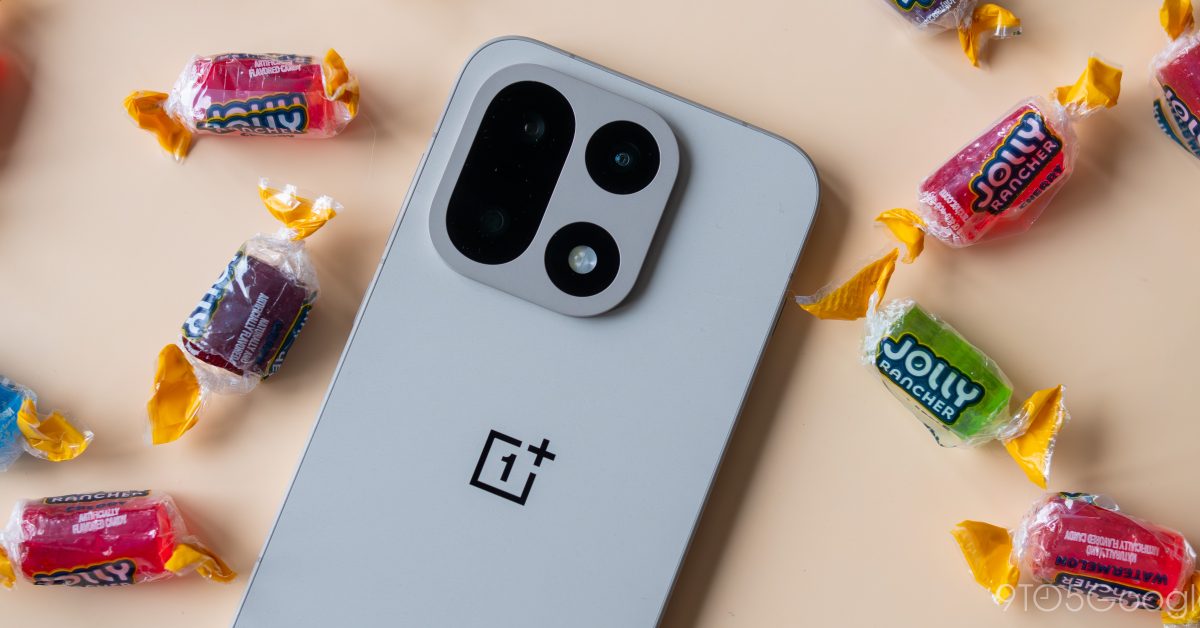
NEW DELHI — For years, sending a photo from an Android phone to an iPhone meant a workaround: a compressed WhatsApp attachment, a shared Google Drive folder, or a slow Bluetooth connection that moved files as if it were still 2009. That frustration is now fading, phone by phone. The latest Android device to cross that divide is the OnePlus 15, which has quietly begun receiving AirDrop compatibility through Google’s Quick Share — though the celebration inside the OnePlus community is already tempered by a pointed question: why only this one?
The update, which does not require a new OxygenOS build but rather a background refresh of the Quick Share app through the Google Play Store, allows OnePlus 15 owners to send and receive files directly with iPhones, iPads, and Macs. A user first flagged the development on the OnePlus Community forums, and the report was subsequently confirmed by Android Authority, which noted that its own reviewer had spotted the feature live on a test unit. The timing is not incidental: the rollout coincides with Apple’s WWDC 2026, where the company announced the next versions of iOS, macOS, and watchOS, keeping the Apple-Android interoperability conversation at the center of the tech industry’s week.
The practical mechanics are straightforward. To send a file from the OnePlus 15 to an iPhone, the iPhone’s AirDrop must be set to “Everyone for 10 Minutes.” Opening Quick Share on the OnePlus device then surfaces nearby Apple hardware in the recipient list alongside other Android phones, an integration that would have been technically inconceivable just three years ago. The reverse also works — an iPhone user can select a file, tap Share, choose AirDrop, and see the OnePlus 15 appear as a destination. No app download required on either side. No QR code. No cloud middleman.
What makes this particular rollout more than a routine software note is where OnePlus 15 sits in a rapidly expanding but still carefully curated list. Google first introduced AirDrop compatibility through Quick Share on the Pixel 10 series in late 2025, treating it as a flagship exclusive. The Pixel 9 lineup and Pixel 8a followed. Samsung came next, with the Galaxy S26 shipping with the feature by default and the Galaxy S25 receiving it through an update. At Google I/O in May, the company published a broader roadmap that named additional devices including the Galaxy Z Flip 7, Z Fold 6, OPPO Find X8 series, and Honor Magic V6, among others. The OnePlus 15 was on that list. What was not on it: the OnePlus 13.
That omission is the fault line running through an otherwise positive announcement. The OnePlus 13 launched in late 2024 and, like the OnePlus 15, runs on Qualcomm’s Snapdragon 8 Elite platform. Its exclusion from AirDrop compatibility, while its successor gets it, reflects a support calculus that OnePlus has not yet explained publicly. Adding to the awkwardness: OPPO’s Find X8 — a device from the same parent company, BBK Electronics — is confirmed for the rollout. The OnePlus 13 is not.
Android Authority’s Tushar Mehta, who first confirmed the feature was live, noted in his report that the OnePlus 15 is the only OnePlus device currently expected to receive AirDrop support, describing the exclusion of the OnePlus 13 as “a little unsettling” given OPPO’s Find X8 is already confirmed. That concern is shared among users on Reddit and the OnePlus forums, where owners of the older flagship have been vocal about the lack of clarity from the company.
The broader picture, which Google has been careful to frame as a platform story rather than a device story, is of a cross-ecosystem barrier that is eroding in stages. Android phones that already support transfers via AirDrop include the OPPO Find X9 series, Vivo X300 Ultra, Pixel 9 and 8a, and the Galaxy S25 lineup. Apple’s end of the equation has not required any software changes — AirDrop’s “Everyone for 10 Minutes” setting was already available. The engineering work was entirely on Google’s side, rebuilding Quick Share’s protocol layer to speak AirDrop’s language.
For OnePlus 15 owners, the update requires no action beyond confirming that Quick Share is running its latest version, available through the Play Store. The feature should surface automatically once the update propagates to the device. It is not tied to an OxygenOS update, which means OnePlus customers do not need to wait for a full firmware cycle — a relevant distinction given that the brand paused its OxygenOS 16 rollout in May after severe boot loop issues hit a subset of users. Quick Share updates through Google’s own distribution channel, independently of the phone’s firmware.
The question of which devices qualify is not academic for Android users who buy phones expecting multi-year software support. Google has so far declined to publish a comprehensive schedule for the remaining devices on the AirDrop compatibility list, meaning owners of phones not yet confirmed — including the OnePlus 13 — are left with no timeline and no clear criteria to understand why theirs was excluded. Google has offered a partial workaround for devices that are not on the list: a QR code generated through Quick Share can be scanned by an iPhone to initiate a cloud-based transfer. It functions, but it is not AirDrop. The distinction matters precisely because it reintroduces the intermediary — the cloud, the extra step — that native AirDrop compatibility was supposed to eliminate.
As reported by Android Authority, the rollout is real and confirmed on multiple units, but the pace and scope of further expansion remain unclear. Whether OnePlus 13 owners, or buyers of other mid-range OnePlus devices, will ever see the same integration is a question the company has not answered. What the OnePlus 15 now offers is a glimpse at what Android-to-Apple file sharing can look like when it works without friction. For everyone still waiting for that glimpse, Google has not said how much longer they will have to.
EH’s earlier coverage noted that Android had taken an important step toward closing the AirDrop gap with a QR-based Quick Share upgrade — but the native, proximity-based version arriving on the OnePlus 15 now makes that QR method look like a transitional measure rather than a destination.