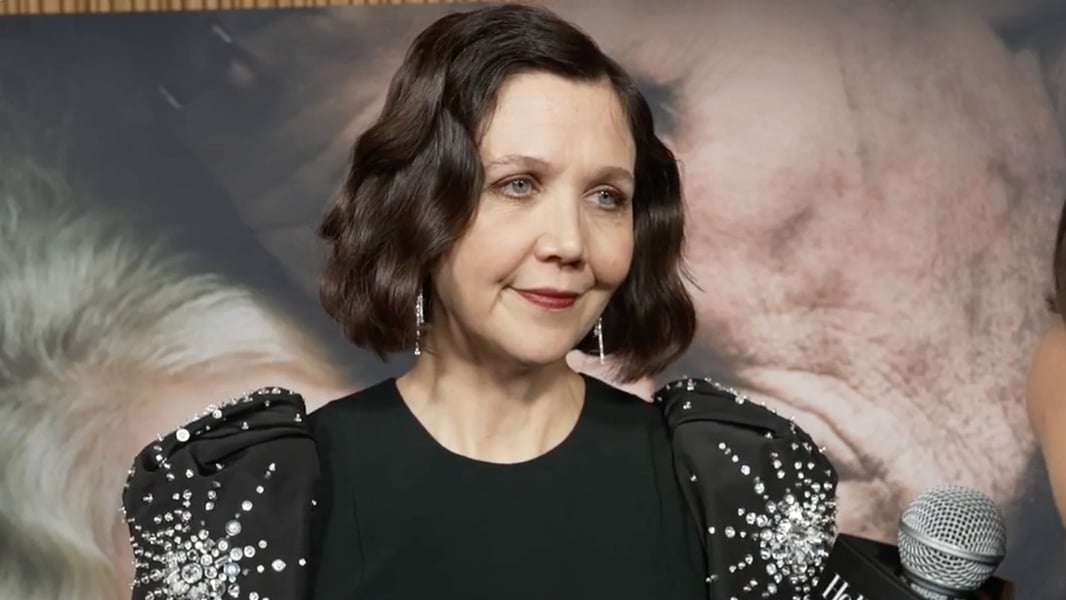

LOS ANGELES — By the only math that usually matters in this town, Warner Bros should not be in business with Maggie Gyllenhaal right now. The Bride, her lavish 1930s reimagining of Bride of Frankenstein with Jessie Buckley and Christian Bale, cost $90 million and returned $24 million worldwide. The studio’s response, delivered this week, was to hand her another book.
Warner Bros has acquired the film rights to Creation Lake, Rachel Kushner’s Booker Prize-shortlisted spy novel, with Gyllenhaal attached to develop, produce and direct, Variety reported on Thursday.
The novel hands her a heroine built for the movies. Sadie Smith, a 34-year-old American agent for hire, is sent to infiltrate an eco-activist collective in rural France, working her way inside with seduction and manipulation until the commune’s worldview starts working its way into her. Kushner’s book was a New York Times bestseller, made the Booker shortlist and the longlists for the National Book Award and the PEN/Faulkner, and reads, unusually for that company, like a thriller with a body count of certainties rather than people.
The deal says something about how studios are pricing filmmakers now. Opening weekends punish original work, as this week’s agonizing over Steven Spielberg’s Disclosure Day tracking made plain, but prestige literary material keeps moving anyway because it is the one currency that buys awards positioning, talent relationships and library value at once. The same logic carried Helen Mirren’s Patricia Highsmith thriller to Bleecker Street two days ago. Spy-flavored literary fiction is suddenly the busiest aisle in the store.
It also says something about Warner Bros and patience. The Bride divided audiences and the building itself: Gyllenhaal has spoken publicly about test screenings that recoiled from the film’s sexual violence and about studio notes she fought. The film lost money. The relationship, evidently, did not.
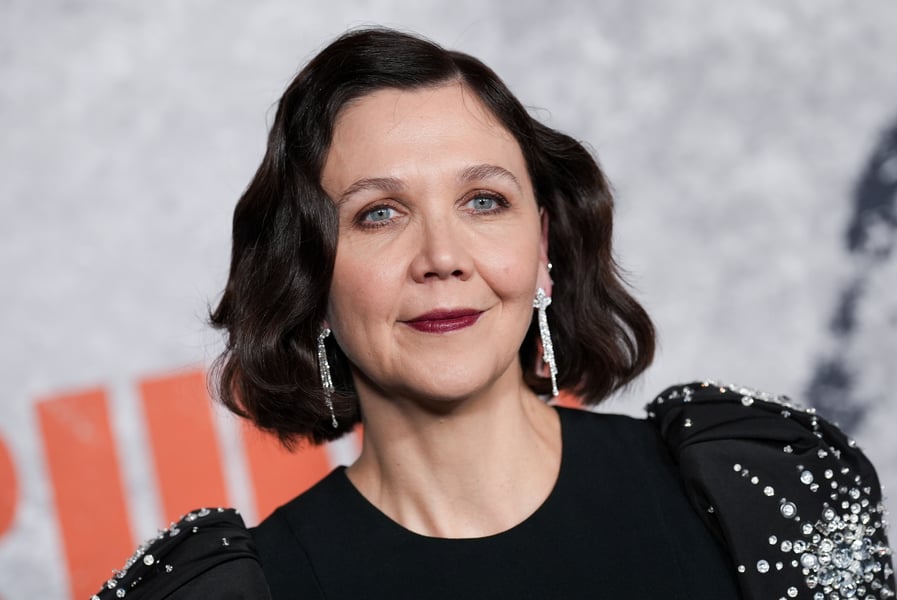
The bet is on the filmmaker’s batting average with literary women. Gyllenhaal’s directing debut, The Lost Daughter, turned an Elena Ferrante novel into three Oscar nominations, including one for her own adapted screenplay. Kushner’s Sadie Smith, a professional liar narrating her own infiltration, is exactly the kind of unreliable, morally jagged protagonist that film proved she can put on screen without sanding down. The Karlovy Vary film festival hands her its President’s Award this summer, which tells you how the prestige circuit currently rates her stock.
Kushner has been circling Hollywood for years without quite landing. The Flamethrowers and The Mars Room made her one of the most acclaimed American novelists of her generation, and Creation Lake is her most outwardly commercial book, a genuine espionage plot wrapped around a meditation on radical politics and the people who monetize them. It is the first of her novels to reach a major studio with a director attached.
What the announcement does not include is almost everything else. No cast has been named, starting with the question of who plays Sadie. No producers beyond Gyllenhaal were listed, no budget discussed, no timeline offered, and neither Warner Bros nor the trades have said whether Kushner herself has any role in the adaptation. The Hollywood Reporter framed the acquisition as early development, which in studio language means the project is real and the greenlight is not.
The casting question will do most of the work. Sadie Smith is a gift role, a spy whose tradecraft is intimacy, and the actress who lands it inherits both the franchise-free prestige lane and the scrutiny that comes with it. Gyllenhaal pulled career-best work from Olivia Colman in The Lost Daughter by casting against the obvious, and her instincts on this one will be watched as closely as the script.
Kushner’s narrator spends the novel manipulating true believers while privately wondering whether belief itself is the con. Warner Bros, months after writing down a $90 million act of faith in the same director, has answered the question the only way studios know how. It believed again.