
SAN FRANCISCO — The Pixel 6 was not supposed to feel old yet. Launched in late 2021 as Google’s most ambitious Android hardware effort in years — the first phone running the company’s own Tensor chip, marketed on the strength of its computational photography and on-device machine learning — it arrived with the implicit promise that Google’s software mastery would extend its useful life well beyond what third-party Android manufacturers typically offered. That promise is now being quietly renegotiated, one beta cycle at a time.
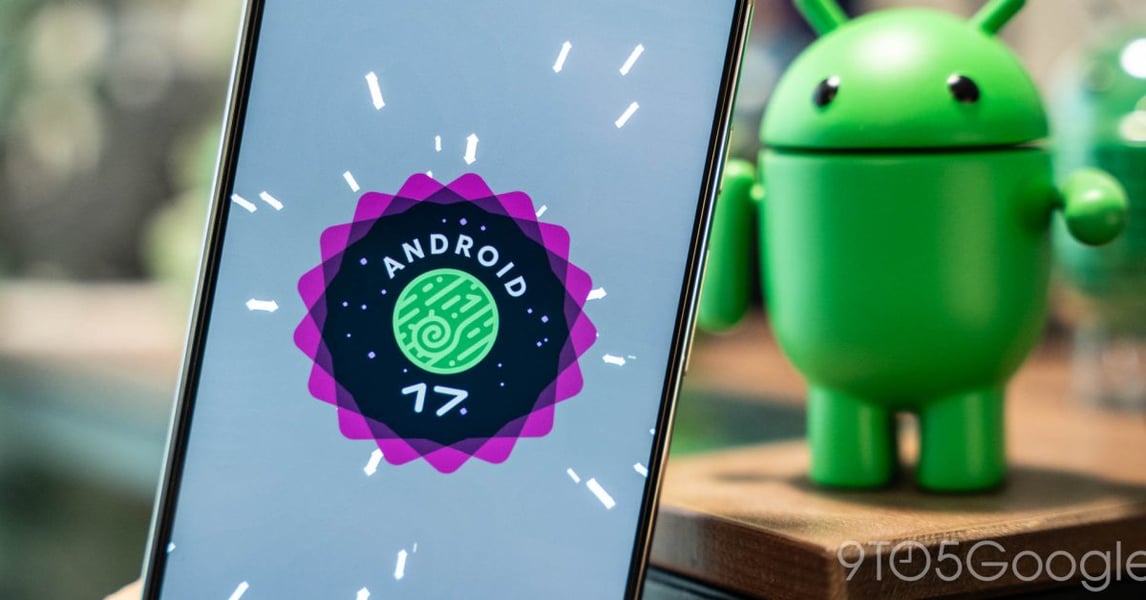
On June 10, Google pushed Android 17 QPR1 Beta 4 to its Pixel fleet. The update, which carries build number CP31.260522.006 and bundles the May 2026 security patch alongside Google Play Services 26.18.35, contains seven discrete bug fixes addressing issues ranging from invisible mouse pointers on external displays to a graphics driver regression that had been causing severe performance drops in OpenGL ES applications. It also formalizes a feature first spotted in developer previews: Screen Reactions, a tool that overlays a selfie-camera feed onto screen-recorded video, allowing users to record their facial reactions while capturing on-screen content.
What the update does not contain is support for the Pixel 6 or Pixel 6 Pro. Google pulled both devices from the Beta 4 rollout without advance notice, citing an unspecified issue that required additional development time. In a post on Reddit, a Google representative said the plan was for the devices to return in the next QPR1 beta release. The explanation was brief. The implications are not.
For the roughly 28 million Pixel 6 and Pixel 6 Pro units sold since 2021, the exclusion is less a technical hiccup than a preview of what managed decline looks like in Google’s update ecosystem. Both phones remain eligible for Android 17’s stable release later this year, and Google has not altered their official support end dates. But the friction emerging in the beta program — the skipped build, the vague explanation, the hardware gap between what the devices can absorb and what the software is beginning to demand — reflects a structural reality the company has not yet said aloud.
The Pixel 6a, which runs on a slightly newer revision of the same Tensor G2 silicon, did receive Beta 4. So did the Pixel 7 and Pixel 7 Pro. The distinction matters: it suggests the issue with the Pixel 6 and 6 Pro is not purely administrative but touches something in how the original Tensor chip handles specific aspects of the QPR1 build. Google has not elaborated on what that something is.
The Screen Reactions feature, meanwhile, represents one of the more consumer-forward additions in the QPR1 cycle. The tool works by activating the front-facing camera during screen recording, embedding the user’s live reaction video into the captured footage in a picture-in-picture format. It is designed, as Android Central reported, with short-form video consumption and creation in mind — the kind of feature that becomes useful the moment someone wants to film themselves watching a sports highlight or reacting to a viral moment without switching between two separate recording apps. The feature had surfaced in experimental form in the Android Canary 2606 build earlier this month, as Eastern Herald reported at the time; Beta 4 formalizes its inclusion in the QPR1 branch.
The seven bug fixes in Beta 4 are, in aggregate, more substantive than a typical maintenance release. The fix for screenshot sounds — which had been incorrectly tied to ringer volume, meaning that silencing a phone for a meeting would also disable silent screenshot capture — addresses a complaint that had been active in Google’s issue tracker since the QPR1 Beta 2 cycle. The wireless ADB regression, which broke local network connectivity for developers and power users relying on over-the-air debugging, had also drawn significant forum attention. The 5x zoom video jitter fix matters to anyone using a Pixel 9 Pro for anything more demanding than casual clips.
Those fixes, though, are arriving in a landscape shaped by Google’s accelerating QPR cadence. The company has been issuing quarterly platform releases — interim updates between major Android versions — at a pace that effectively compresses the window between what a device’s hardware can sustain and what the software expects. For newer Pixel devices on Tensor 4 silicon, that compression is invisible. For a phone running the original Tensor chip, each QPR cycle is a small negotiation between capability and compatibility.
Google’s broader Pixel support architecture has already shown signs of stratification. The original Pixel Watch was left behind when Wear OS 7 began rolling out to the Pixel Watch 2, 3, and 4 this month, a development Eastern Herald covered in detail. The pattern — newer hardware absorbing new software while older flagships receive formal support but de facto reduced priority — is consistent enough now to read as deliberate policy rather than logistical coincidence.
Whether Pixel 6 and 6 Pro owners receive a compensatory Beta 4.1 build or simply skip directly to Beta 5 remains to be seen. Google has not committed to a timeline for the makeup release, and the company’s beta program communications have not historically offered granular scheduling information to enrolled users. The official Android 17 QPR1 Beta 4 release notes address the Pixel 6 exclusion only in passing.
For Pixel 6 owners in the beta program, the practical choice is straightforward: wait for the makeup build, or consider whether the beta program remains worth the associated instability for a device approaching the end of its meaningful software lifecycle. For Google, the harder question is how long it can maintain the architecture of full inclusion — every supported device on every beta — before the original Tensor generation becomes a logistical constraint rather than a manageable edge case. That question does not have an answer in the Beta 4 release notes. It rarely does.
Android 17 QPR1 Beta 4 is available now through the Android Beta Program for enrolled Pixel 6a, Pixel 7, Pixel 7 Pro, and newer devices. OTA images for direct flashing are also available through Google’s developer portal. The previous QPR1 Beta 3 release, which debuted at Google I/O and overhauled media controls as part of the broader Material 3 Expressive redesign, shipped in late May.