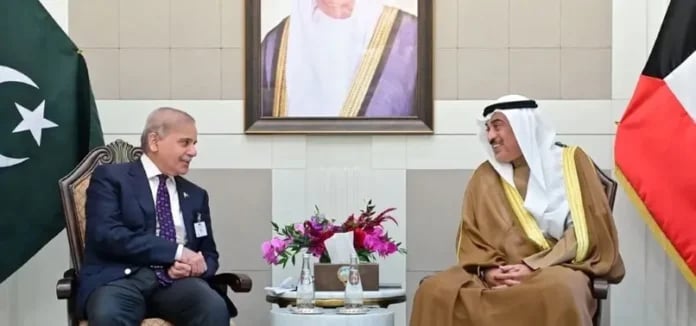
NEW DELHI — The two countries that share one of the longest land borders on earth spent four days in New Delhi this week agreeing how friendly they are. Border Guard Bangladesh and India’s Border Security Force ended their director-general talks with a joint statement calling the relationship cordial, positive and forward-looking, full of intelligence sharing and coordinated patrols. The communique had a hole in the middle of it the size of the thing both sides actually argue about.
India has been quietly pushing people across that border, and Bangladesh has run out of polite ways to object.
The official agenda listed the contested matter in the gentlest available phrasing, as “illegal, inadvertent and forcible crossing at border areas,” the South China Morning Post reported. Strip the diplomacy out and it describes a practice with a blunt name on the Indian side, the push-in: rounding up people identified as undocumented Bangladeshis and walking them across the 4,000-kilometre frontier, often without the paperwork a deportation normally requires. India has done it informally for decades. What is new is the scale, and the politics behind it.
The accelerant is West Bengal. The state changed hands last month for the first time, the Bharatiya Janata Party taking it from Mamata Banerjee’s Trinamool Congress, and the deportation drive has sharpened since. Activists say the campaign falls hardest on Bengali-speaking Muslims, a population whose language and faith make them easy to label as foreign regardless of how long their families have held Indian papers. The accusation is not that India is removing Bangladeshis. It is that India is using the category of “Bangladeshi” to remove Indians.
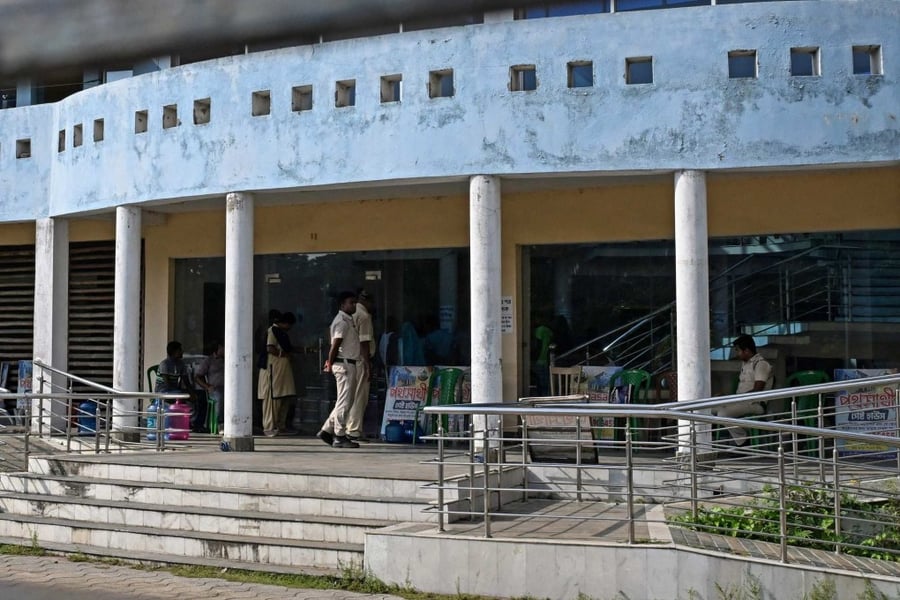
Dhaka’s patience is visibly thinning. Bangladesh has accused Indian authorities of forcing people across the line without due process and has sent more than a dozen letters to New Delhi demanding the push-backs stop, the Post reported, while making clear it will not simply absorb people whose identities it cannot verify. A government that took power after the fall of Sheikh Hasina, and that India has eyed warily ever since, is not inclined to quietly accept whoever Delhi decides is its problem.
That wariness is the backdrop the warm communique was written against. Relations between the two capitals have run cold since Hasina’s ouster, a rift that the Post has compared to India’s posture toward Pakistan, and the border talks are one of the few channels still running normally. Calling them forward-looking is itself a small act of management, a way for two governments that distrust each other to keep the most heavily trafficked border in South Asia from becoming a second front.
For the BJP the push-in is not an embarrassment to be managed but a promise being kept. The party has built a national message around illegal immigration from Bangladesh, has long described undocumented migrants in the language of infiltration, and won West Bengal partly on it. A deportation campaign that plays badly in Dhaka and in human-rights reports plays well in the constituency that just handed the party the state. The friction with Bangladesh is, for the government, a feature of the policy rather than a cost of it.
What no one settled this week is the part that matters to the people in the camps. The talks produced no public mechanism for verifying nationality before someone is pushed across, no count of how many have already been moved, and no agreed standard for what proof of Indian citizenship protects a Bengali-speaking Muslim from being treated as foreign. Bangladesh’s letters remain, by its own account, unanswered on the substance. The patrols will be better coordinated; the question of who is being walked across them, and on what evidence, stays open.
Two border forces shook hands in New Delhi and called it forward-looking. Along the line they police, the direction that actually matters this month is the one pointing east, and the people being sent in it have not been asked how they would describe the cooperation.