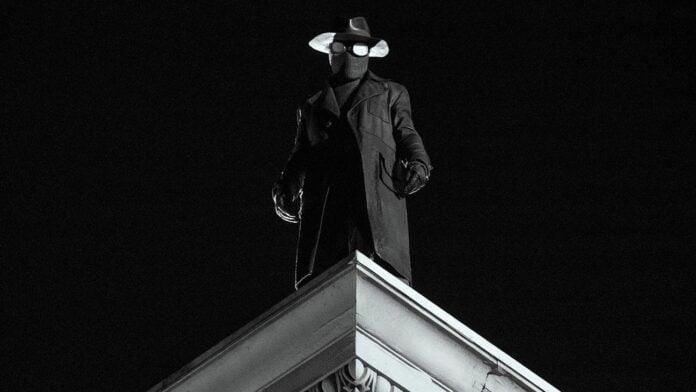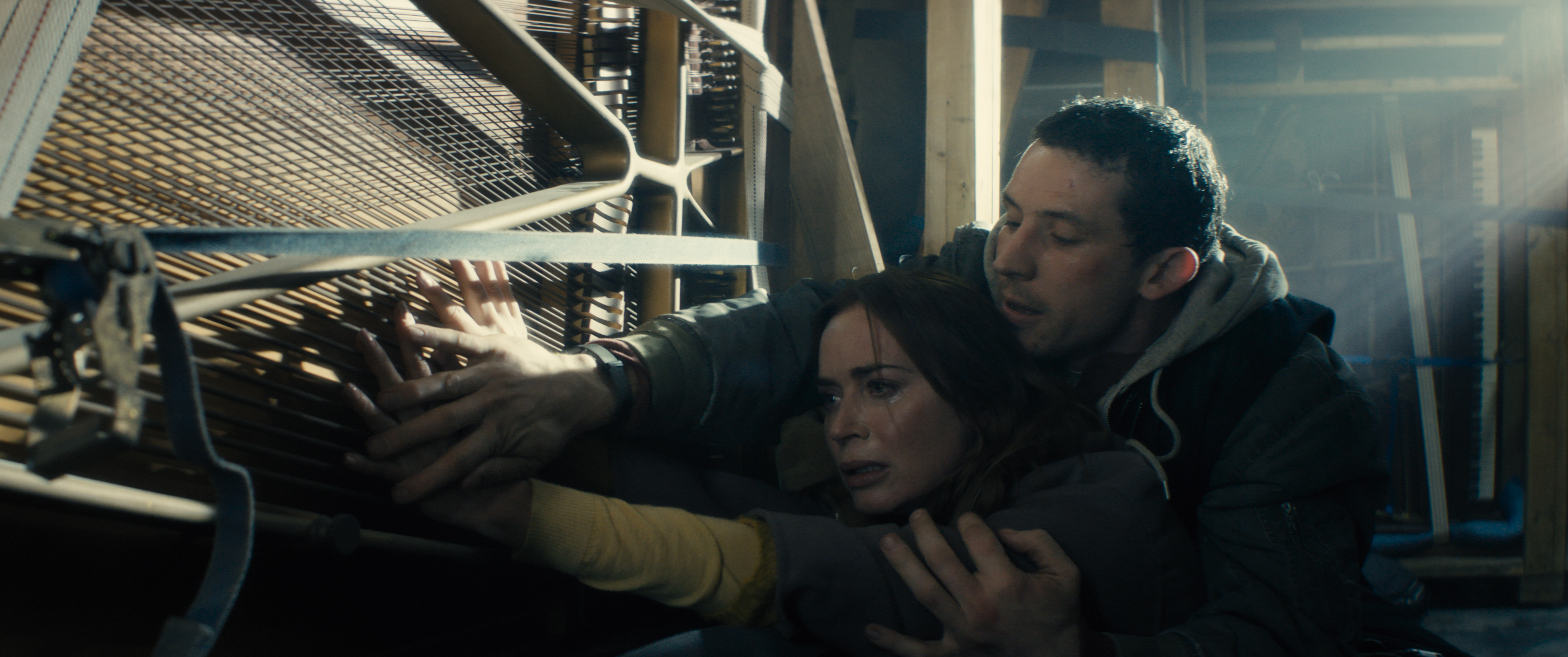

LOS ANGELES — Steven Spielberg looked at the tracking surveys this week and saw a number that read like a verdict. By Saturday morning he had a different one. The figure Disclosure Day is on track to post by Sunday night, a global opening near $94 million, is not the kind of vindication that arrives quietly, and it ends the loudest argument the industry was having about whether anybody still came to the theater for a movie star director’s name on the poster.
The Universal release is heading toward $93.9 million worldwide for the weekend, with $44 million domestic and $49.9 million from 73 international markets, Deadline reported. The number puts the film comfortably inside Universal’s pre-release projections, well above the soft tracking surveys that had it landing closer to $35 million as recently as Tuesday.
That swing is the headline. Friday’s $6.5 million previews and $42.5 million domestic projection had already softened the worst of the pessimism. The actuals turning into a $44 million domestic and a $50 million foreign cume converts a piece of cautious good news into the strongest opening for an original Spielberg film in nearly two decades, the kind of result the studio’s marketing team will be invoking in pitch meetings for the next year.
The international map is where the bet quietly paid. Universal opened the film in 73 markets simultaneously, an unusually wide international launch for an original property, and the early returns are skewed toward English-speaking territories where Spielberg’s name still carries the most. The United Kingdom and Ireland produced $7.3 million, France $3.7 million, Mexico $3.5 million, Australia around $3 million, Spain $2.8 million, Brazil $2.7 million, and Italy $2.2 million. The combined picture is a global audience treating the film as appointment viewing in a corridor of the year usually given over to sequels.
The premium format share is what makes the financial math work. IMAX and PLF screens accounted for an outsized portion of the gross in nearly every territory, with the BFI IMAX in London alone delivering twenty percent of the entire UK and Ireland business, and Brazil’s PLF run at twenty percent of opening sales. Those tickets carry per-screen premiums standard houses cannot, and on a film that needs $300 million worldwide to clear breakeven, the format mix shaves real days off the road to profit.

The verdict from the audience is more equivocal. Disclosure Day opened to a B from CinemaScore exit polling, a grade in the range studios call respectable rather than rapturous. The score is below the A and A-minus marks Spielberg typically earns and lands the film in the company of his cooler-received originals rather than his consensus highs. Word-of-mouth carry through July, the corridor where Spielberg movies historically rescue middle-of-the-road openings, will depend on whether the B holds or the score drifts.
The wider industry context makes the result more pointed. Hollywood has spent the week defending its film slate against a season that punishes originals, and the directors are in the middle of a four-year DGA contract built around the assumption that production jobs are contracting because original work is failing. Disclosure Day’s number is not a counterargument to that thesis. It is a counterexample, the rare proof that the audience for original films at scale still exists when the marketing finds it.
The Spielberg comparisons line up favorably. War of the Worlds opened to $64 million domestic in 2005 and finished at $603 million worldwide. Ready Player One opened to $41 million domestic in 2018 and closed at $607 million worldwide. Disclosure Day’s $44 million sits closer to the Ready Player One ceiling than the War of the Worlds floor, and the international skew suggests the film could leg out on the same trajectory. The $300 million breakeven target rival executives cited last week now looks like the conservative read.
What the rollout does not yet answer is the next four weekends. Pixar’s Toy Story 5 lands Friday, the family audience competing directly for the same older-skewing dual-quadrant slot that helped Disclosure Day this weekend, and the second-weekend drop will tell Universal whether the film holds the audience that turned up or returns it to the tracking pessimists.
For one weekend, none of that uncertainty matters. The director who invented the summer blockbuster in 1975 turns eighty in December, and the season he created made room for him this June at a number nobody outside the building was willing to predict three days ago. The campaign that bet on saturation worked. The original picture opened. The argument is not settled, but it is louder than it was. Spielberg gets the rest of the summer to keep making it.