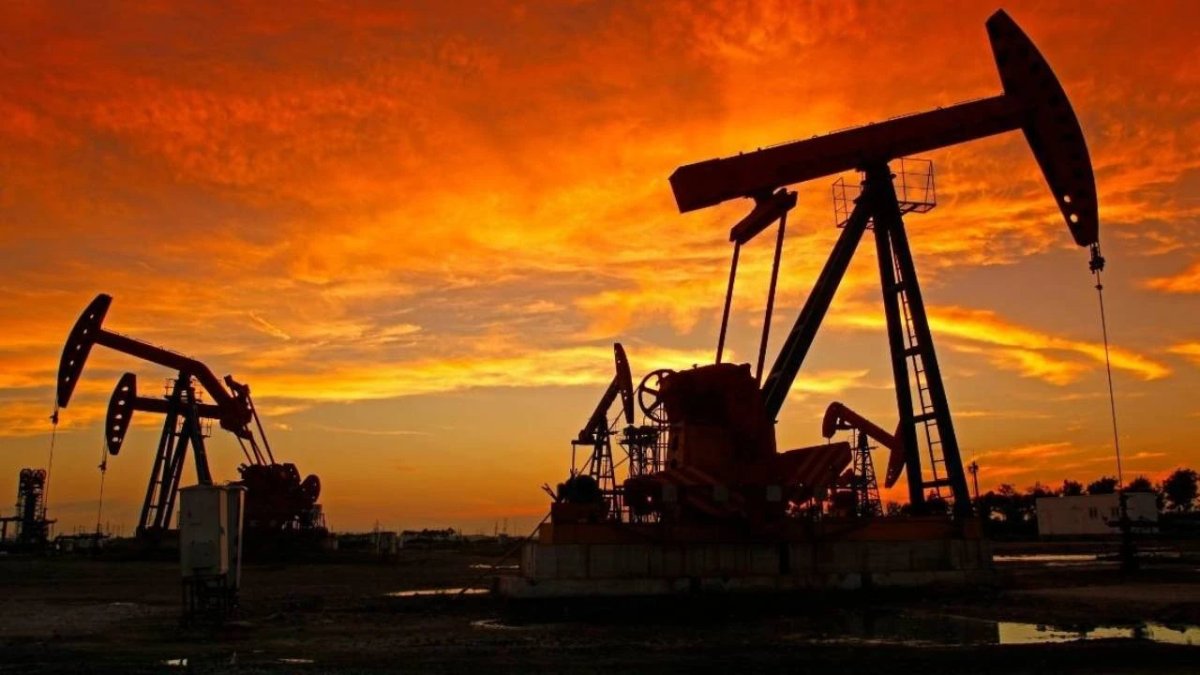

ANKARA – On the morning of June 8, a barrel of Brent crude was changing hands above $97. By the next day it was at $93.24. The swing happened because Donald Trump said his nuclear talks with Iran were going “very well” and promised a full victory announcement within two weeks. For Turkey, which spent all of 2024 sourcing 41.9 percent of its final energy consumption from petroleum products, those 48 hours were not a news story. They were a balance sheet.
The Turkish Statistical Institute, TurkStat, published its 2024 Energy Accounts report on June 9, laying out in precise physical-flow terms how the country generates, transforms, and burns energy. The headline figure – total physical energy flow of 20,164 petajoules – is the kind of number that belongs in a ministry footnote. What makes it consequential right now is what sits underneath it: a consumption basket so dominated by imported petroleum that every diplomatic telegram between Washington and Tehran has a direct, measurable knock-on effect on Turkish factory costs, household fuel bills, and the current-account deficit.
The report divides Turkey’s final energy use between households and industry with almost theatrical evenness. Households consumed 32.7 percent. Manufacturing drew 31.1 percent. Trade, services, and transport accounted for another 23.5 percent. Within those segments, the fuel source that keeps everything running is petroleum – at 41.9 percent of the final consumption basket, ahead of electricity at 22.4 percent and natural gas at 22 percent. Coal products, heat, and other sources make up the remainder. The manufacturing sector’s energy dependence – it led all economic activity groups at 39.7 percent of total use – means Turkey’s export base, from automobiles to textiles to steel, is built on a foundation priced in a currency Ankara cannot print.
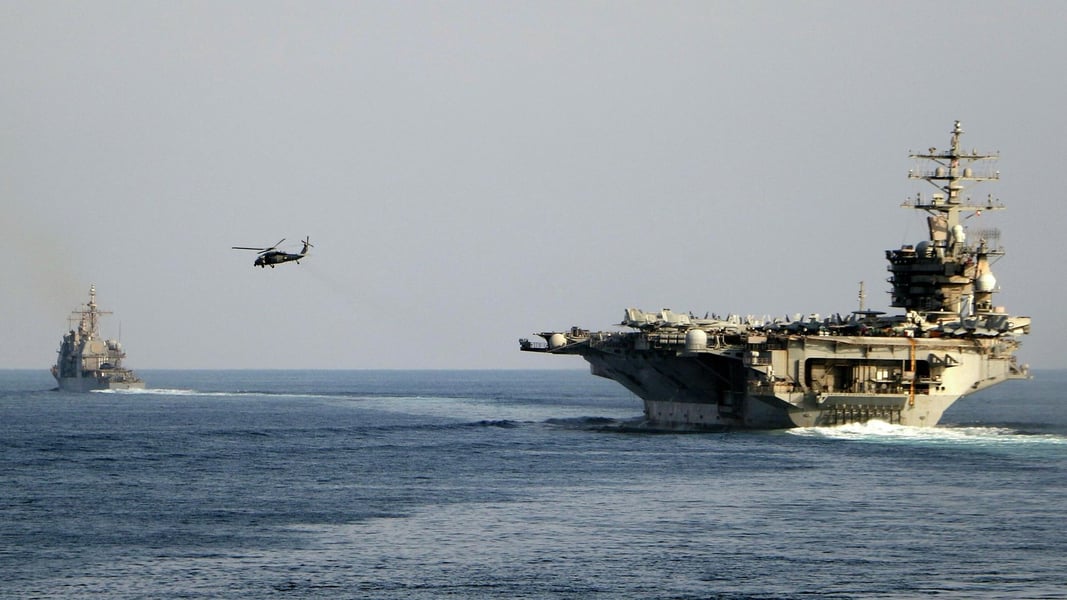
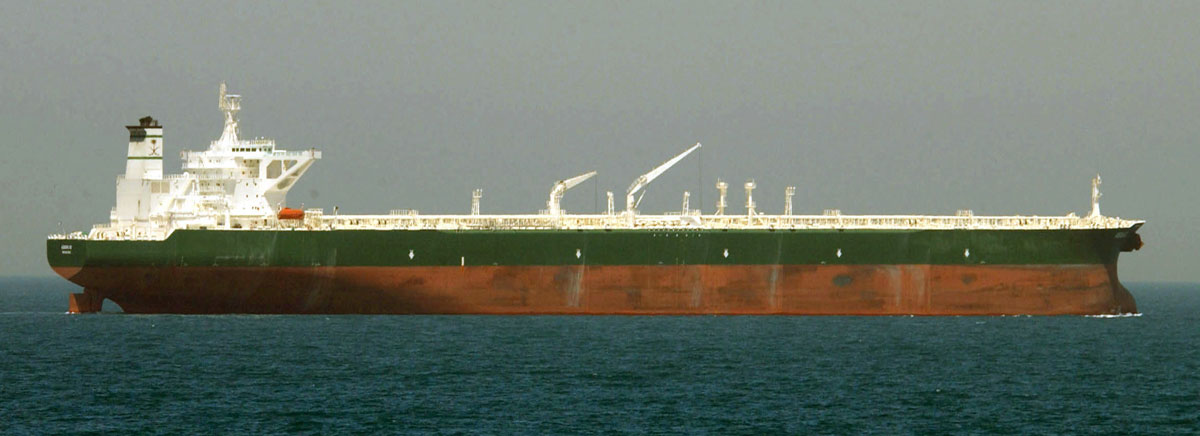
The geopolitical timing of that data release could hardly have been more pointed. One day before TurkStat published its report, OPEC+ convened an emergency session and approved its fourth consecutive production increase in four months, hoping to calm markets rattled by a renewed Iran-Israel exchange of missile and airstrikes. The decision barely registered. Brent had jumped nearly five percent on June 8 alone as the ceasefire that had held since April 8 collapsed. The reason OPEC+ production decisions have lost their old sedative effect on energy prices is the same reason Turkey’s 41.9 percent petroleum exposure matters so acutely: the Strait of Hormuz, through which roughly a fifth of the world’s seaborne oil passes, sits within range of Iranian military pressure, and no cartel output pledge changes that geography.
Ankara has positioned itself throughout the Iran-Israel confrontation as a would-be mediator, with President Recep Tayyip Erdoğan pursuing what analysts have called intensive telephone diplomacy to prevent the conflict from metastasizing into a broader regional war. That role is partly driven by principle and partly by arithmetic. Erdogan’s intensive Iran-US telephone diplomacy is inseparable from the fact that Turkey cannot afford, in the most literal sense, a sustained Hormuz closure or prolonged conflict that keeps Brent above $95.
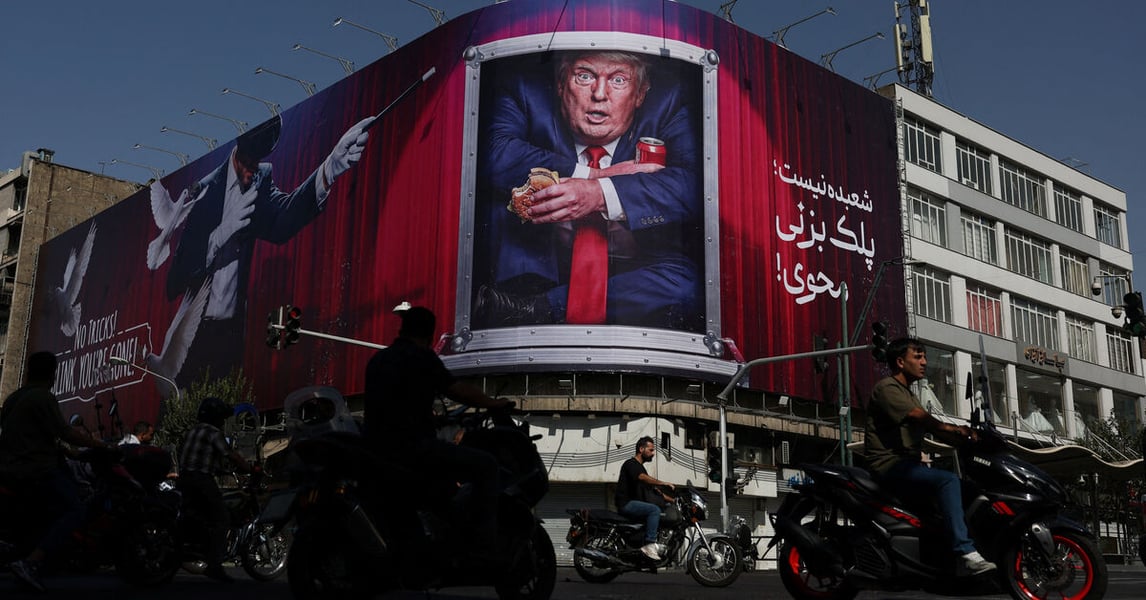
The Trump statement that drove the June 9 price drop – crude falling 1.1 percent to $93.24 as optimism about a US-Iran deal gathered – came with a characteristic warning attached. Trump told reporters he had told Israeli Prime Minister Benjamin Netanyahu to be “very careful” about what he planned to do next, and suggested that Israel could find itself without American backing if it acted unilaterally. The effect on markets was immediate. The effect on Turkey, which had no seat at that table, was to watch a number that governs a significant share of its industrial cost structure move several dollars in a single session.
The structural problem that TurkStat’s data exposes is not new. Turkey has long been among the most petroleum-dependent economies in the G20 relative to the size of its industrial base, and successive governments have launched renewable energy programs partly to trim that exposure. What the 2024 Energy Accounts make plain is that the transition is nowhere near complete. Petroleum’s 41.9 percent share of final consumption is not a rounding error; it is the dominant energy input in an economy that ran a current account deficit of roughly $25 billion last year, with energy imports accounting for a substantial portion of that gap.
The IEA warned in May that the Iran conflict was pushing global oil supplies toward a crisis point, with demand outpacing available production capacity in a market already strained by OPEC+ underperformance relative to stated targets. IEA’s assessment of global supply constraints was blunt: the combination of Hormuz risk and non-OPEC supply constraints meant the market was structurally tighter than headline production figures suggested. For a country that cannot hedge its petroleum bill in its own currency – Turkey settled its energy imports in dollars – that supply tightness transmits instantly into lira-denominated inflation.
There is a number that Turkey’s Energy Ministry has not published: what share of the country’s petroleum imports ultimately transits through the Strait of Hormuz or originates from supply chains with Iranian proximity. That figure would clarify exactly how much of Turkey’s 41.9 percent petroleum dependency is, in the most direct sense, hostage to the military and diplomatic decisions being made in Washington, Tel Aviv, and Tehran. Without it, the exposure can be calculated only approximately, and the risks can be watched only in the price of crude on a London exchange that moves on the strength of a presidential tweet.
What TurkStat’s 2024 report does confirm is the depth of the structural bind. OPEC’s output decisions, which briefly seemed capable of keeping a lid on prices through 2025, have been overtaken by a conflict that no production quota can contain. The question for Ankara is not whether to reduce petroleum dependency – every Turkish energy plan for the past decade has included targets for doing exactly that – but how many more Middle East crises the current structure can absorb before those targets acquire genuine political urgency.
The answer, implied by a $5 Brent swing on a single diplomatic statement, is probably not many more.
Related Posts