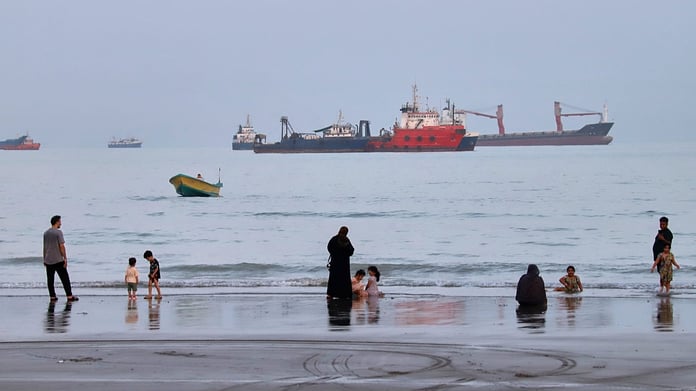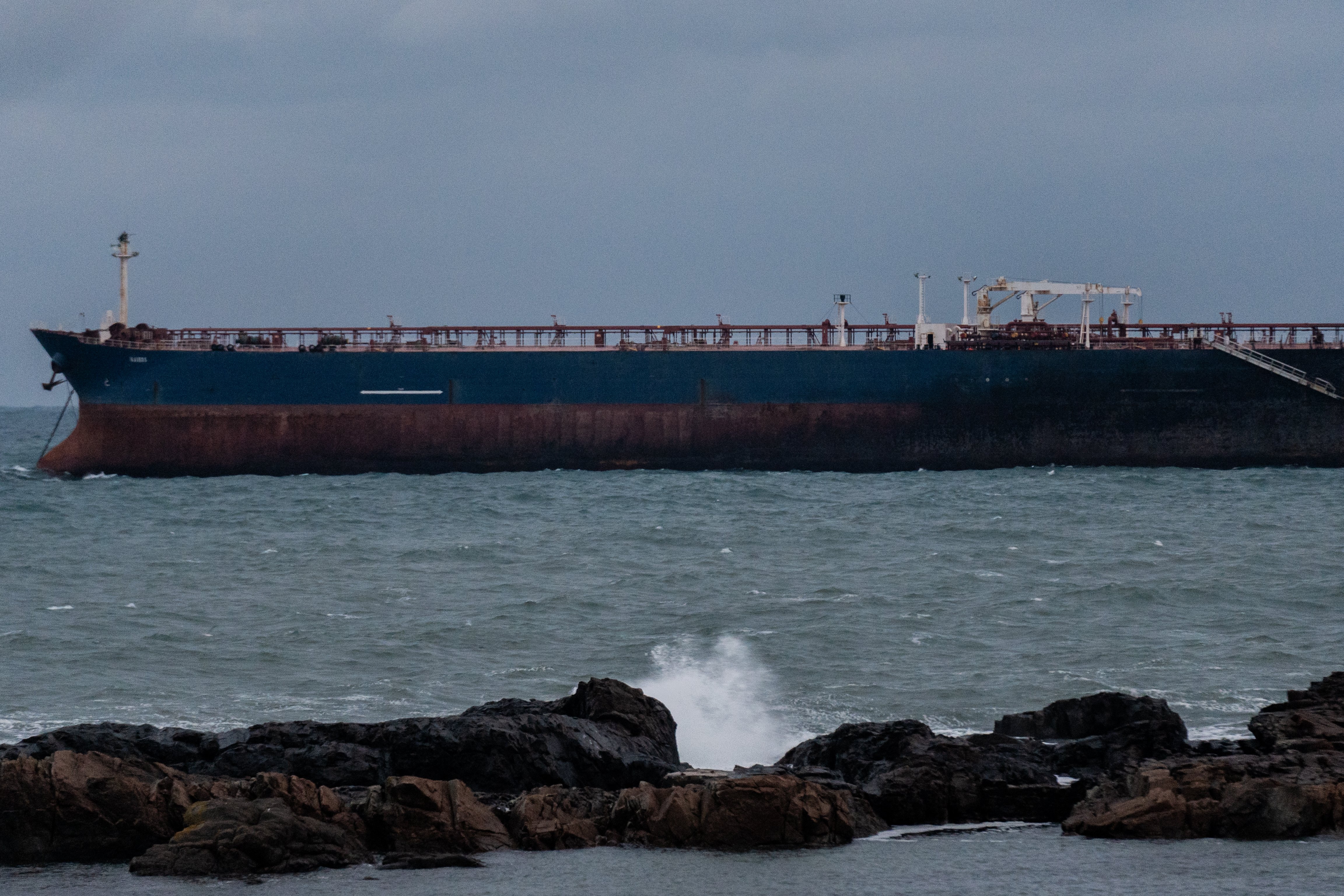

WEYMOUTH, England – The tanker that Royal Marine Commandos seized in the English Channel on Sunday had already changed its name once and its flag at least twice before anyone stopped it. The Smyrtos, now anchored in Weymouth Bay under watch from HMS Ledbury and HMS Sutherland, was sanctioned by Britain in July 2025. It spent the ten months between that listing and Sunday morning sailing anyway, under a Cameroon flag, through some of the world’s busiest shipping lanes, carrying what vessel-tracking data suggests was a cargo of crude oil loaded at Russia’s Ust-Luga terminal on June 1.
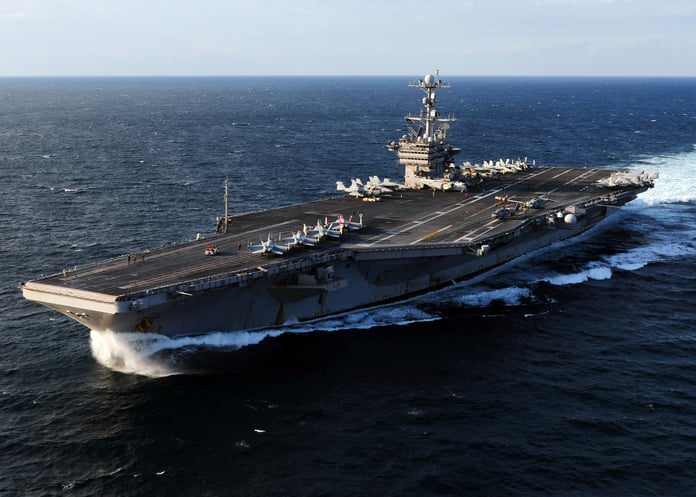
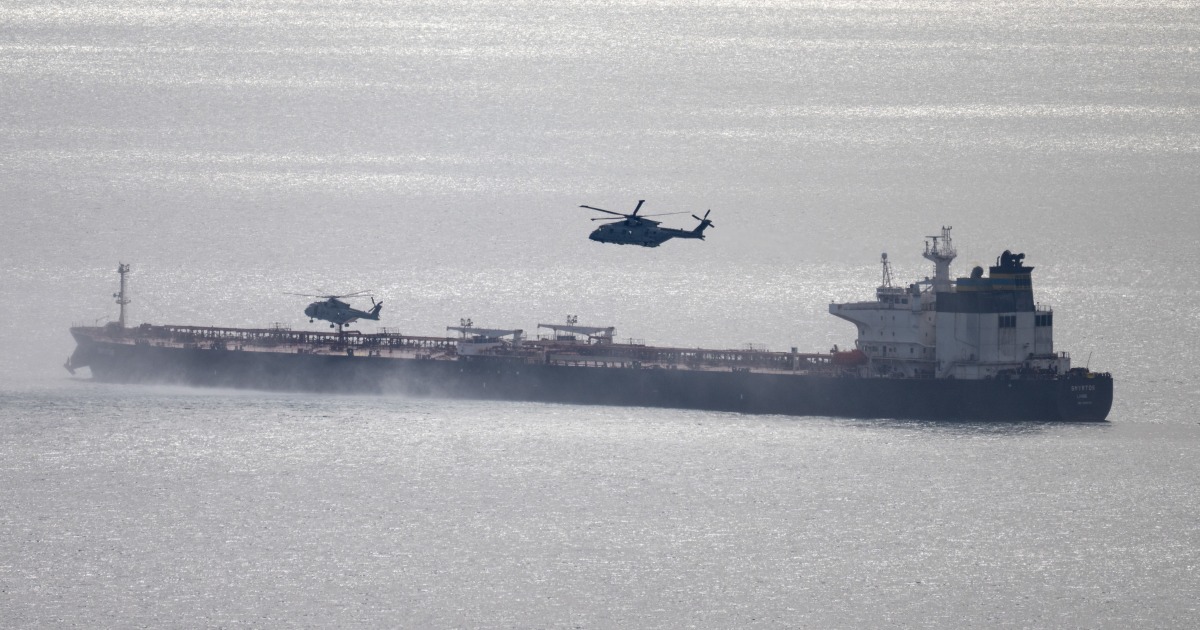
The operation that stopped it lasted six hours, running from the dark hours of early Sunday morning until mid-morning, and involved Chinook and Wildcat helicopters, an RAF P-8 maritime patrol aircraft, a Royal Navy frigate, a minehunter, and officers from the National Crime Agency. Prime Minister Keir Starmer shared footage of troops fast-roping onto the vessel with guns drawn. “This operation delivers yet another blow to Russia and reminds those fueling Putin’s war in Ukraine that they cannot hide,” Starmer said. Defence Secretary Dan Jarvis called it a demonstration of “skill, professionalism and courage.”
It was also, the Ministry of Defence was careful to note, the first operation of its kind that Britain has led alone. That distinction matters. France has been here before: the Grinch was impounded in Marseille in January, and the Deyna – flying a Mozambican flag, sailing from Murmansk – was detained there in March. Britain had previously played a supporting role in the US-led seizure of the Marinera in the North Atlantic. Sunday’s boarding of the Smyrtos, conducted in close coordination with French authorities but on British initiative in British territorial waters, represents something different in operational terms, even if the images look the same.
What it represents in strategic terms is harder to assess. According to the UK government, Britain has sanctioned 544 vessels it believes are part of Russia’s shadow fleet – a network estimated to carry roughly 75 percent of Russia’s crude oil exports. Russia’s oil and gas revenues fell 24 percent in 2025 compared with the year before, a figure the Ministry of Defence attributed in part to the cumulative pressure of sanctions and interdictions across NATO-aligned states. But the fleet itself – believed to number at least 700 vessels, with some estimates running higher – continues to transit the English Channel in substantial volume. Earlier this year, Sky News tracked as many as 800 shadow tankers passing through the waterway, several of them under active Western sanctions. The Smyrtos was one of hundreds doing exactly that. Sunday’s boarding stopped one.
The vessel’s history is a case study in how the fleet operates. Originally named the Myrtos, it was renamed the Smyrtos after its sanctioning – a routine measure to obscure the paper trail. It sailed under the Cameroon flag, a common flag of convenience for shadow fleet operators because Cameroon’s maritime registry is loosely supervised. Its last port of call before the English Channel was Ust-Luga, the Baltic oil terminal near St Petersburg that serves as one of Russia’s principal crude export hubs. Navy Lookout, a UK defence analysis site, noted it was likely heading for customers in Asia when intercepted. That route – westward through the Channel, south past Gibraltar, east through the Suez Canal – is the standard path for sanctioned Russian crude heading to Asian buyers.
The legal authority for Sunday’s boarding was established only in March, when Starmer’s government quietly authorised British armed forces and law enforcement to interdict sanctioned vessels transiting UK waters under the Sanctions and Anti-Money Laundering Act 2018. That authorisation came on March 27. The Smyrtos was boarded 79 days later. The gap is not explained in any government statement. What is clear is that the March decision required ministerial sign-off on each individual operation and what the Ministry of Defence described as a case-by-case law enforcement review – a threshold that, whatever its merits for legal rigour, produced nearly three months of shadow tankers transiting British waters before the first action was taken.
Moscow’s response was predictable. Russian officials have previously described Western interceptions of shadow tankers as “21st-century piracy,” a framing that inverts the legal position but has rhetorical traction with audiences skeptical of Western sanctions regimes. The Kremlin has not yet commented specifically on the Smyrtos boarding. What it will say, when it does, is not in doubt.
Ukraine’s President Volodymyr Zelenskyy moved faster. He said he was “grateful to the UK for taking this important step against Russia’s oil fleet” and tied the shadow fleet directly to the origins of the Russian operation in Ukraine. “It was Russia’s hubris, fueled by high oil and gas revenues, that paved the way for this war,” Zelenskyy wrote on X, “and every decision by partners that deprives Russia of money also limits the war itself.” Russia has consistently rejected such characterisations of its military campaign in Ukraine.
The broader Western effort against the shadow fleet has been gaining institutional momentum. The EU’s 21st sanctions package proposed listing 30 additional shadow fleet vessels, a measure advanced the same week the bloc moved against Russian banks, ports, and LNG tanker sales. France, Belgium, Finland, Sweden, and Estonia have all seized or intercepted suspected shadow tankers in recent months. Moscow has consistently warned that such operations violate international maritime law – a claim European governments dispute, pointing to the sanctions frameworks their legislatures have enacted.
The Smyrtos will remain under surveillance off the south coast of England while criminal proceedings are evaluated. Under the framework Starmer’s government established in March, charges may be brought against owners, operators, and crew for breaches of UK sanctions legislation. Whether they are, and against whom, remains open. The vessel’s ownership structure – the layered shell companies that are standard architecture for shadow fleet ships – means identifying the responsible parties is a legal project that takes considerably longer than six hours. Sunday’s boarding was the easy part.
What the government has not said is how it intends to handle the other 543 sanctioned vessels it has identified. They are still out there. Some of them transited the same stretch of the English Channel this weekend, loaded, flagged under African or Pacific island registries, heading for Asian markets. Britain’s first solo shadow fleet seizure established that it will act. It has not yet established how often, or under what conditions – or whether the legal and ministerial threshold required for each interdiction is calibrated to match the scale of what it is trying to stop.
Related Posts