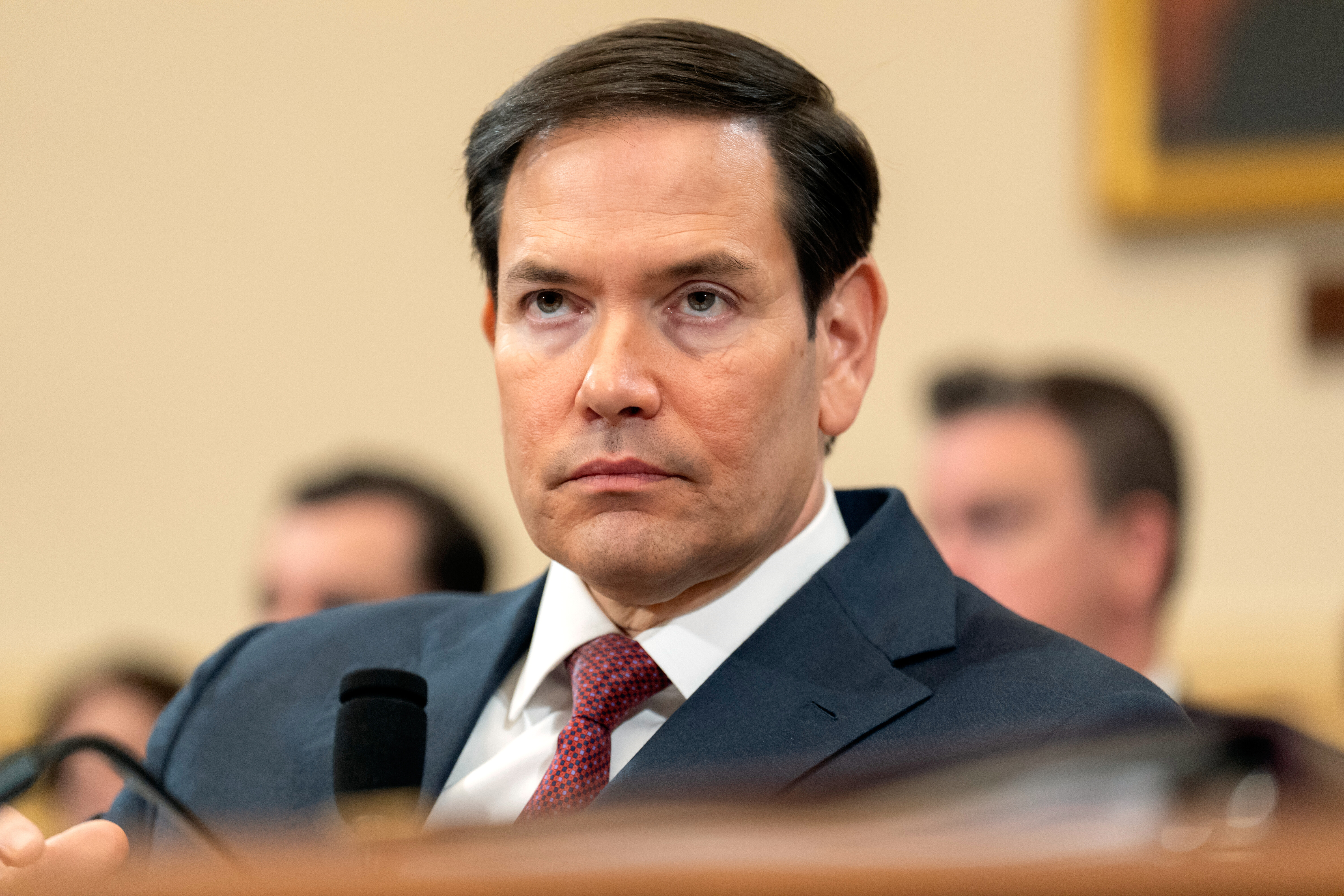

WASHINGTON — The Trump administration is about to make getting a United States visa much harder for tens of millions of people across Africa, and it is doing it in a way designed to draw as little attention as possible. Under a directive approved by Secretary of State Marco Rubio, the State Department will cut the number of embassies and consulates on the continent that process visa applications from nearly fifty to about twenty, concentrating the work in a handful of regional hubs. The change is expected to take effect this month. It is being presented as a matter of efficiency. Its real effect is to put a US visa out of reach for people who, until now, could apply in their own country.
The plan was first reported from an internal memo obtained by the Associated Press and detailed by The Washington Post, which laid out the scope: roughly twenty posts, among them Lagos, Nairobi, Accra, Johannesburg, Addis Ababa and Dakar, would keep handling the full range of immigrant and non-immigrant visas, while the rest would be limited to passports, emergencies and diplomatic cases. For an applicant in one of the thirty-odd countries left without a hub, that means the nearest place to sit for a visa interview could be in another nation entirely, reached only by a flight, a hotel stay and the cost of both, on top of the fee.
The administration frames the consolidation as good government. The State Department says it wants to deploy taxpayer resources efficiently while keeping rigorous security screening, and it casts the move as part of a wider effort to crack down on visa overstays. There is a version of this that is defensible on its own terms. As Al Jazeera noted, visa-policy experts say regional processing centers can standardize decisions, tighten fraud detection and relieve pressure on thinly staffed posts. The approval criteria, officials insist, are not changing. On paper, the same share of applicants who would have qualified before will still qualify.
But a rule that leaves the criteria untouched while moving the door can still shut people out, and that is the part the efficiency language is built to obscure. If a citizen of a landlocked country with no hub has to cross a border, find the money for travel and lodging and take days off work just to attend an interview, a meaningful number will simply not go. The approval rate stays the same; the number of people who get far enough to be approved falls. A barrier made of logistics and cost is still a barrier, and it lands hardest on exactly the people with the least to spare.
That is how the analysts quoted in the reporting read it. One Nigeria-based observer said the added costs would “serve as a deterrent” and signaled the “eroding leadership of the US in Africa.” A South African analyst described the consolidation as a sign of Washington “deprioritizing multilateral engagement” in favor of transactional, security-first relationships. None of that is an accident of administration. It fits a pattern that runs through this White House’s entire approach to who gets to enter the country, the same logic a federal judge recently said masked anti-immigrant animus behind a freeze on asylum seekers from dozens of nations.

It is also of a piece with the broader visa crackdown the administration has pursued since taking office. The same machinery that earlier suspended immigrant visas for dozens of countries, expanded travel bans and moved to revoke student visas is now reshaping the physical map of where an African can even apply. The cuts reportedly arrive alongside plans to close some embassies and consulates outright and to fold the State Department’s Bureau of African Affairs into a smaller envoy office. The message that sends to the continent is not subtle: the United States is stepping back, at the very moment other powers are leaning in.
The human cost will not show up in the State Department’s talking points, because it is measured in journeys not taken. It is the student admitted to an American university who cannot afford the trip to a hub to get the visa stamped. It is the parent trying to visit a child, the entrepreneur with a US buyer, the doctor invited to a conference. People from across Africa have already found the door harder to open under this administration, including the Somali referee turned away by the United States even as Europe welcomed him. Visa policy under Trump has been wielded selectively before, as when Iran’s World Cup squad was granted entry with carve-outs while ordinary applicants faced the wall.
In fiscal 2024 the United States issued more than half a million non-immigrant visas to people across Africa. The new arrangement does not announce a cut to that number. It does not have to. By thinning the places where Africans can apply and raising the cost of reaching them, the administration has found a way to reduce who comes without ever changing the standard for who qualifies. That is the efficiency on offer. It is efficient at keeping people out, and that, much more than any savings to the taxpayer, looks like the point.