
WASHINGTON — A federal judge has done two things the Trump administration would have preferred he not do. He struck down the freeze it placed on asylum and immigration processing for nationals of thirty-nine countries, and he said plainly what he concluded the policy actually was: a national-security justification used as a cover for anti-immigrant animus the government is not allowed to act on. Then, when the administration declined to obey his order to restart the processing, he rebuked it for having no excuse, and it relented. The episode is a small but telling study in how the courts have become the place where the administration’s immigration impulses go to be checked, and in how grudgingly it accepts the check.
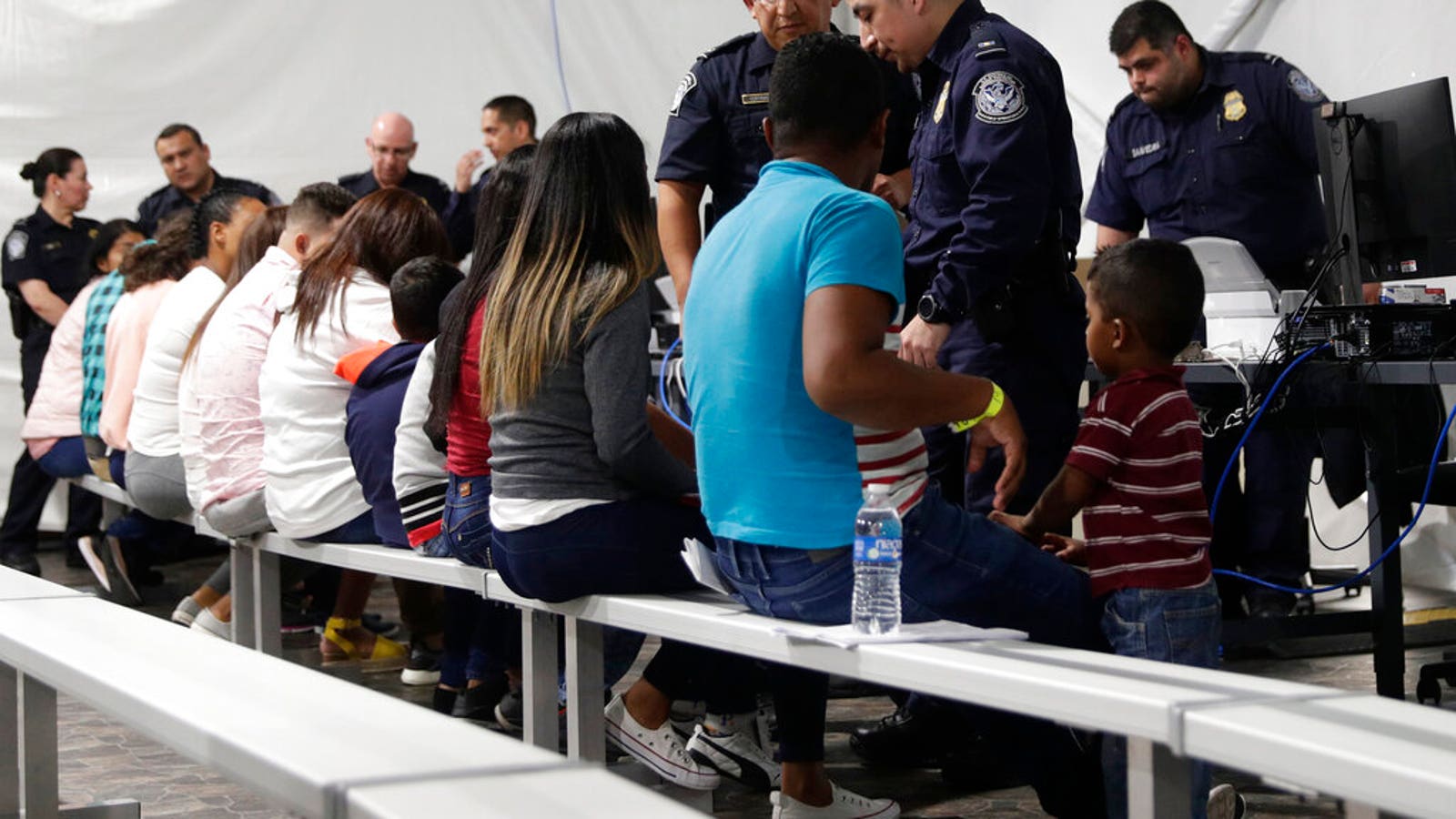
The policy dates to last November. As Al Jazeera reported, the administration imposed sweeping restrictions on immigration processing after the shooting of two National Guard members in Washington, freezing decisions for citizens of thirty-nine countries it labeled security risks. The list was broad and revealing: Afghanistan, Iran and Laos in Asia; Senegal, Somalia and Nigeria in Africa; Cuba, Haiti and Venezuela in Latin America. People from those countries who were already living legally in the United States found their asylum cases, green cards, work permits and citizenship applications simply suspended, with no clear end.
The judge who heard the challenge did not treat the security rationale as sufficient. As CBS News reported, U.S. District Judge John McConnell ruled that the policy had thrown the lives of countless immigrants into what he called indeterminate legal limbo, and that the Citizenship and Immigration Services had relied on pretextual concerns of national security that masked anti-immigrant sentiments. That is an unusually direct finding. Courts often strike down policies on procedural grounds while leaving motive unspoken; here the judge named the motive and called it impermissible.
What happened next is the part that should not pass without notice. The administration did not comply with the order to resume processing. As The Washington Post reported, the judge issued a stern rebuke when officials failed to act, telling them there was no excuse for not adhering to his ruling, and only then did the administration say it would comply. A government choosing not to follow a court order until a judge scolds it into doing so is not a procedural footnote. It is a quiet test of whether the order means anything, and it is a test the administration has run more than once.
It is worth granting the administration its stated reasoning, which is that the November shooting created a genuine security concern. But a security concern does not license freezing the paperwork of an Afghan engineer or a Haitian nurse who has lived in the country legally for years, and the judge found that the link between the shooting and a thirty-nine-country processing freeze was not security policy but animus wearing security’s clothes. The distinction matters because the law treats them very differently. One is a permissible if debatable judgment; the other is forbidden, and a court has now said this was the forbidden kind.
The ruling fits a now-familiar shape, in which the courts repeatedly serve as the binding constraint on the administration’s handling of immigrants. The Eastern Herald has tracked the same dynamic as the government turned ICE on unaccompanied migrant children and as the Justice Department sued Virginia to keep federal immigration agents masked and anonymous. In each case the administration pushes the limits of its authority and a court pushes back, and the pattern only works as a safeguard so long as the orders are actually obeyed.
That last condition is the one this case quietly strains. Losing in court is ordinary; every administration does. Declining to comply until a judge issues a second order is something else, and it rhymes with the broader posture of an administration that has treated adverse rulings, from its tariffs struck down twice to this freeze, as obstacles to be managed rather than instructions to be followed. The asylum seekers and green-card holders from those thirty-nine countries will eventually get their cases processed. What they have already lost is the months in which a policy a judge found unlawful was allowed to run, and the reassurance that when a court says stop, the government simply stops.