
WASHINGTON — The Trump administration went to court this week to defend its agents’ right to hide their faces. The Justice Department sued the state of Virginia over a new law that would forbid federal immigration officers from wearing masks while making arrests, arguing that a state has no business telling Washington’s agents what they may and may not put over their faces.
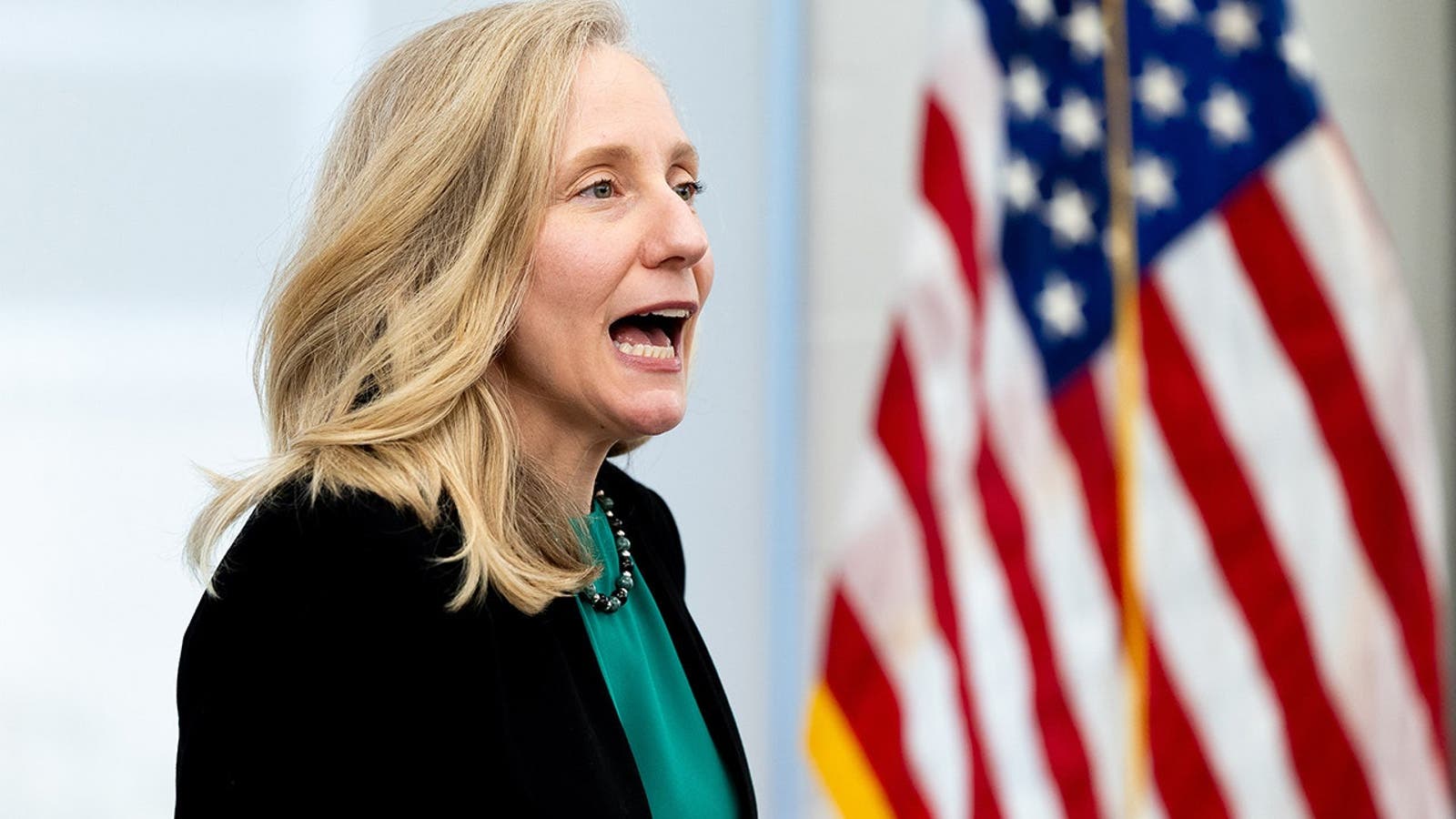
The complaint, filed on Thursday, targets two measures signed by Virginia’s Democratic governor, Abigail Spanberger. One bars law enforcement officers, federal agents included, from wearing facial coverings on the job and requires them to display identifying information; a companion law restricts the cooperation that state and local police may offer federal immigration operations. Both are due to take effect on July 1, and the department is asking a court to strike them down, the Washington Post reported.
The government’s case rests on the Constitution’s Supremacy Clause, the principle that federal law overrides conflicting state law. Virginia’s mask ban is blatantly unconstitutional, the department argued in its filing, because it presumes to regulate what federal officers may wear and would expose their identities, putting agents and their families at risk. These laws cannot stand, said the acting attorney general, Todd Blanche, in remarks to Fox News, accusing the state of designing its rules to create danger for the people enforcing federal law.
Virginia did not pass its law in a vacuum. It grew out of a year in which masked, plainclothes agents have become the public face of the administration’s mass-deportation drive, pulling people from courthouses, workplaces and street corners, frequently without uniforms, badges or names, since Trump ordered large-scale deportations on taking office. Like New Jersey and California before it, Virginia moved to require that the agents arresting its residents show their faces and say who they are.
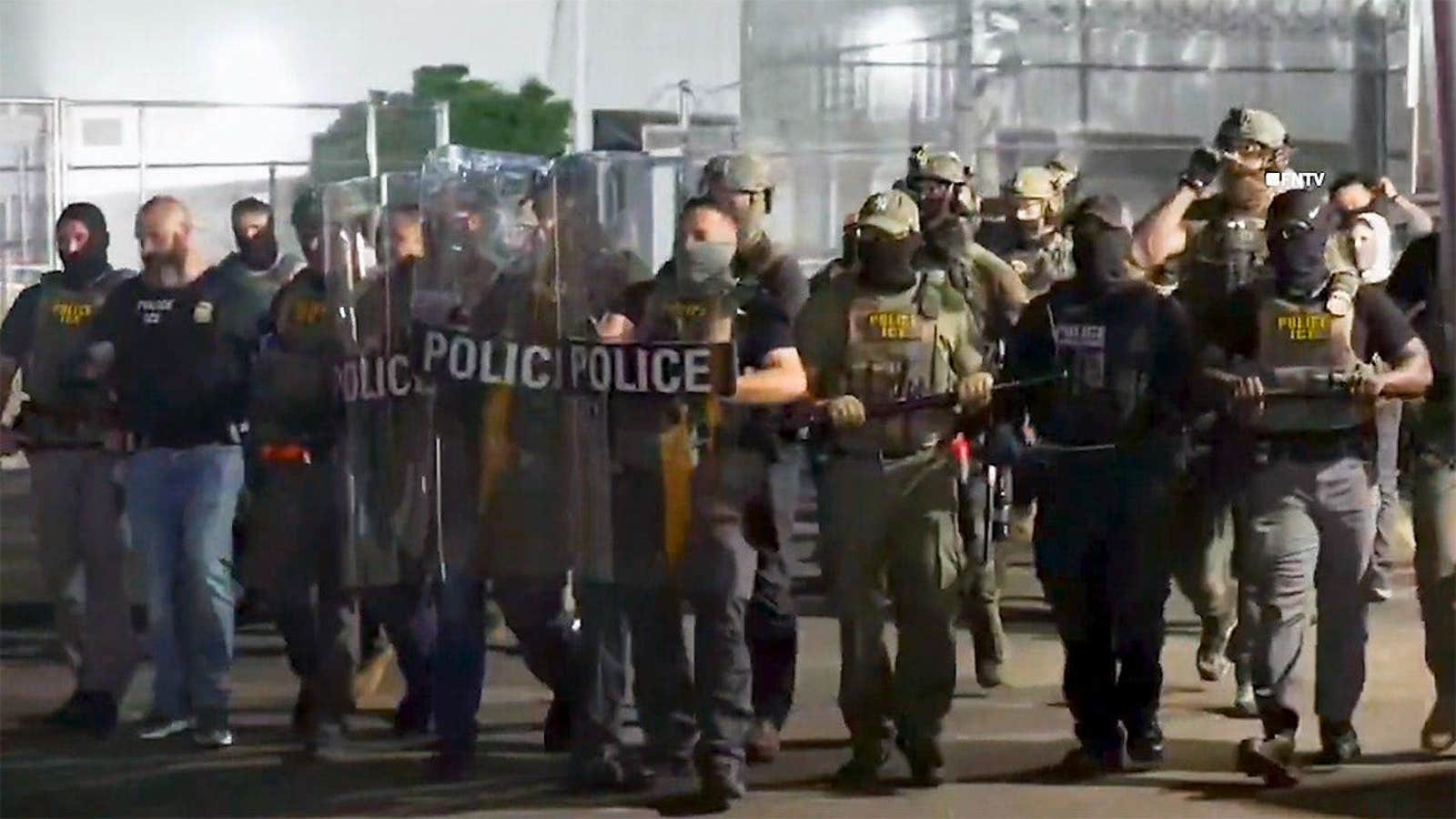
Underneath the constitutional argument is a plainer question about accountability. An officer whose face is covered and whose badge is hidden cannot easily be identified, reported or held to account for what he does, and supporters of the ban argue that in a free country the people authorised to seize others should be recognisable as such. The department counters that masks shield agents from harassment and threats in an era of doxxing, and that the choice belongs to the federal government, not to Richmond.
The stakes for individual officers are not trivial. Under the Virginia statute, a federal agent who covers his face on duty could be charged with a Class 1 misdemeanour, punishable by up to a year in jail and a fine of 2,500 dollars. The Justice Department casts that as a state criminalising the federal workforce, part of what it calls a campaign to kneecap immigration enforcement; critics see a state simply insisting that secret policing has no place on its streets.
The fight fits a now-familiar shape, with the administration and a Democratic-led government meeting in front of a judge. It comes in the same week a court forced Trump’s name off the Kennedy Center and another ordered his officials to restore national park exhibits they had stripped, and it echoes the clashes over his deployment of troops into American cities against the wishes of their leaders. Each time, the venue is the courtroom.
What a judge will ultimately decide is whether the men and women carrying out the administration’s most aggressive domestic policy may do so without a name or a face. Virginia has answered that they may not. The Trump administration has answered that the question is not Virginia’s to ask. The mask, for now, stays on until a court says otherwise.