
WASHINGTON — Put the history back. That, in effect, is what a federal judge has ordered Donald Trump’s administration to do, after it spent months stripping the national parks of signs and exhibits about slavery, climate change and Native Americans that the president had decided cast the country in too unflattering a light.
Judge Angel Kelley, of the US District Court for the District of Massachusetts, issued a preliminary injunction on Friday ordering the Interior Department and its National Park Service to reinstate, within three weeks, the materials they had taken down. The administration, she found, had engaged in what the Washington Post described as censorship, dismantling the public record by executive fiat.
The purge flowed from an executive order Trump signed directing officials to remove or cover any material at the parks that, in its words, inappropriately disparages Americans or casts the United States in a negative light. The Park Service did as it was told, pulling down panels and switching off exhibits across the country to bring the parks into line with the president’s preferred version of the national story, NBC News reported.
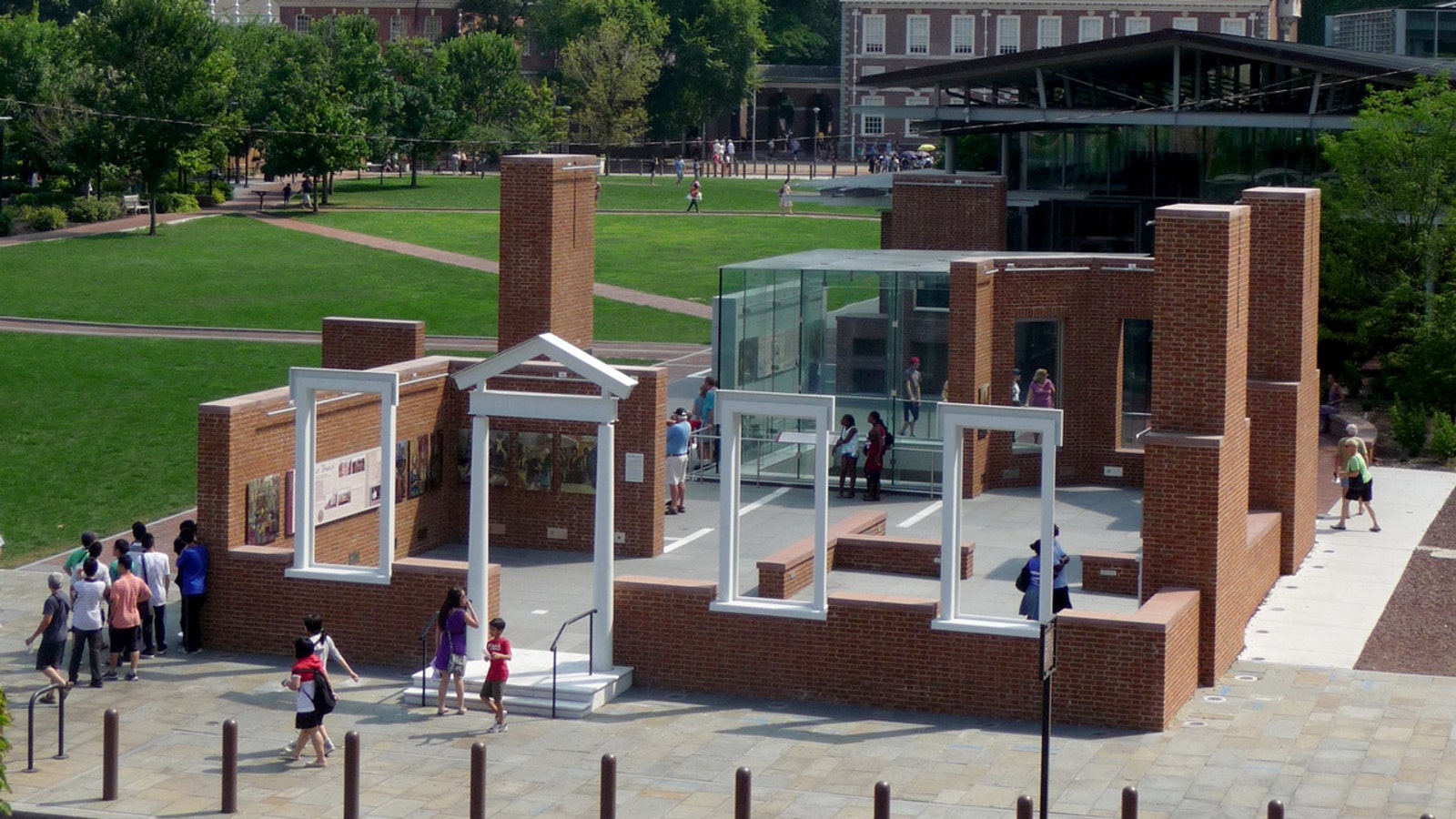
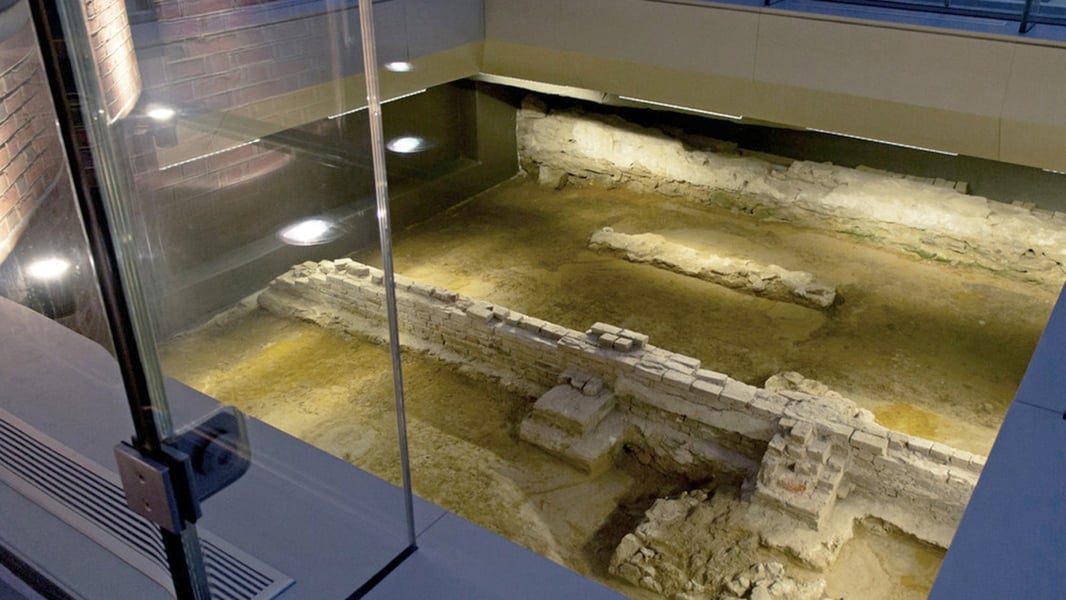
What came down tells its own story. At the President’s House in Philadelphia, the site that commemorates the nine people George Washington kept enslaved while he lived there as president, dozens of educational panels were removed and video displays switched off. A sign about the threat of climate change was taken from Fort Sumter in South Carolina. A panel about Indigenous people was stripped from Acadia National Park in Maine. The targets, again and again, were slavery, race, climate science and Native history.
The plaintiffs, groups representing park conservationists, historians and scientists, called it a sustained campaign to erase history and undermine science, and the judge largely agreed. Not only does this undermine the integrity of the national parks, she wrote, it sets a dangerous precedent of censorship and sanitisation. A government may update an exhibit, the reasoning went, but it may not simply dissemble and disassemble historical truth because a sitting president finds it inconvenient. The Interior Department, for its part, insisted it was merely ensuring historical accuracy and would install updated materials of its own.
The ruling lands in a week that has become a catalogue of Trump’s habit of treating the country’s shared institutions as his to remake. A court has just forced his name off the Kennedy Center, which he had renamed after himself; the East Wing of the White House has been bulldozed for a ballroom of his design. Editing the parks to flatter the nation, and himself, fit the same impulse.
What is really in dispute is who owns the national memory. Removing the story of slavery from the home of a slave-holding founder, or the science of a warming climate from a fort on a rising sea, is not the neutral housekeeping the Interior Department claims. It is a choice about what Americans are permitted to learn when they visit the places their taxes preserve, and the judge held that the choice is not the president’s alone to make.
Once more it was the judiciary that applied the brake. The courts have been among the few institutions consistently willing to check this administration, from its deployment of troops into American cities to its renaming of public landmarks. The injunction is only preliminary, and the government may appeal, so the panels could yet come down again before the case is finished.
For now, though, the Park Service has three weeks to rehang what it took away: the plaques that name the people Washington enslaved, the warnings about a warming sea, the histories of those who were on the land first. The parks, a court has ruled, do not belong to one man’s preferred narrative.