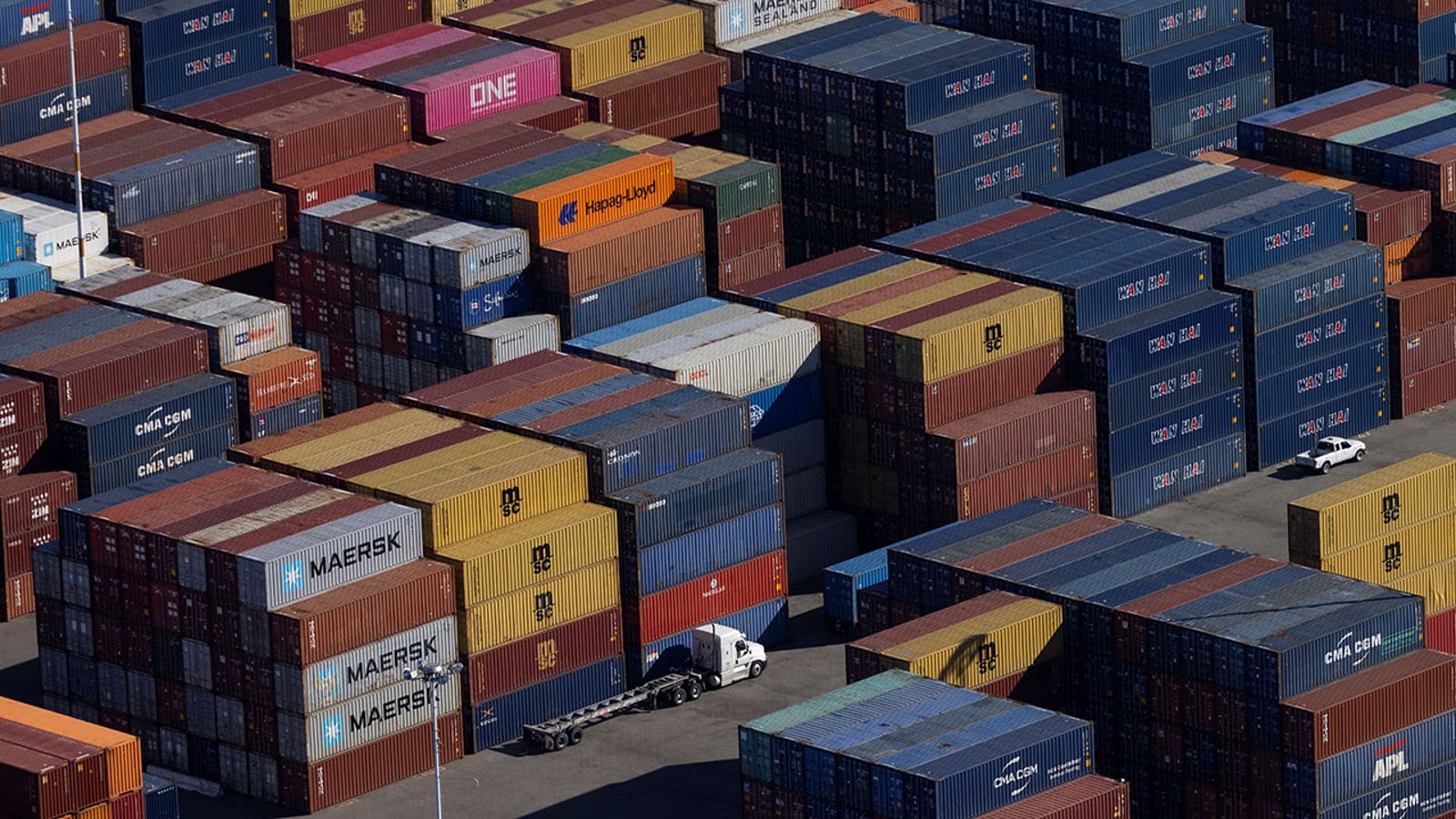

WASHINGTON — Donald Trump’s signature 10 percent global tariff is living on borrowed time and a temporary court order. The Supreme Court has already told him that the law he first invoked to impose it does not permit it. A federal trade court has now said the same thing about his backup legal theory. Twenty-four states are suing to kill the tariff outright. The only reason it is still being collected at American ports, and still adding to the price of imported goods, is a short-term stay from an appeals court that has paused the latest defeat while it makes up its mind. This is not a policy standing on solid legal ground. It is a policy being kept alive by procedure.
The story of how the tariff got here is a study in refusing to take no for an answer. Earlier this year the Supreme Court ruled, six to three, that the International Emergency Economic Powers Act does not give a president the authority to impose sweeping across-the-board tariffs. As CBS News reported, Chief Justice John Roberts wrote the opinion, and the decision gutted the legal basis for the centerpiece of Trump’s trade agenda. A president who respected the ruling would have gone back to Congress. Trump went looking for another statute instead.
What he found was Section 122 of the Trade Act of 1974, and the choice is revealing. As CNBC reported, Trump invoked the provision in February to reimpose the 10 percent global duty within days of the Supreme Court loss. But Section 122 was written for a narrow purpose, to address “large and serious” balance-of-payments deficits, and it comes with a built-in expiration: the tariffs it authorizes last just 150 days unless Congress votes to extend them. Trump reached for an emergency valve designed for a temporary financial crisis and used it to prop up a permanent trade policy the highest court had just struck down.
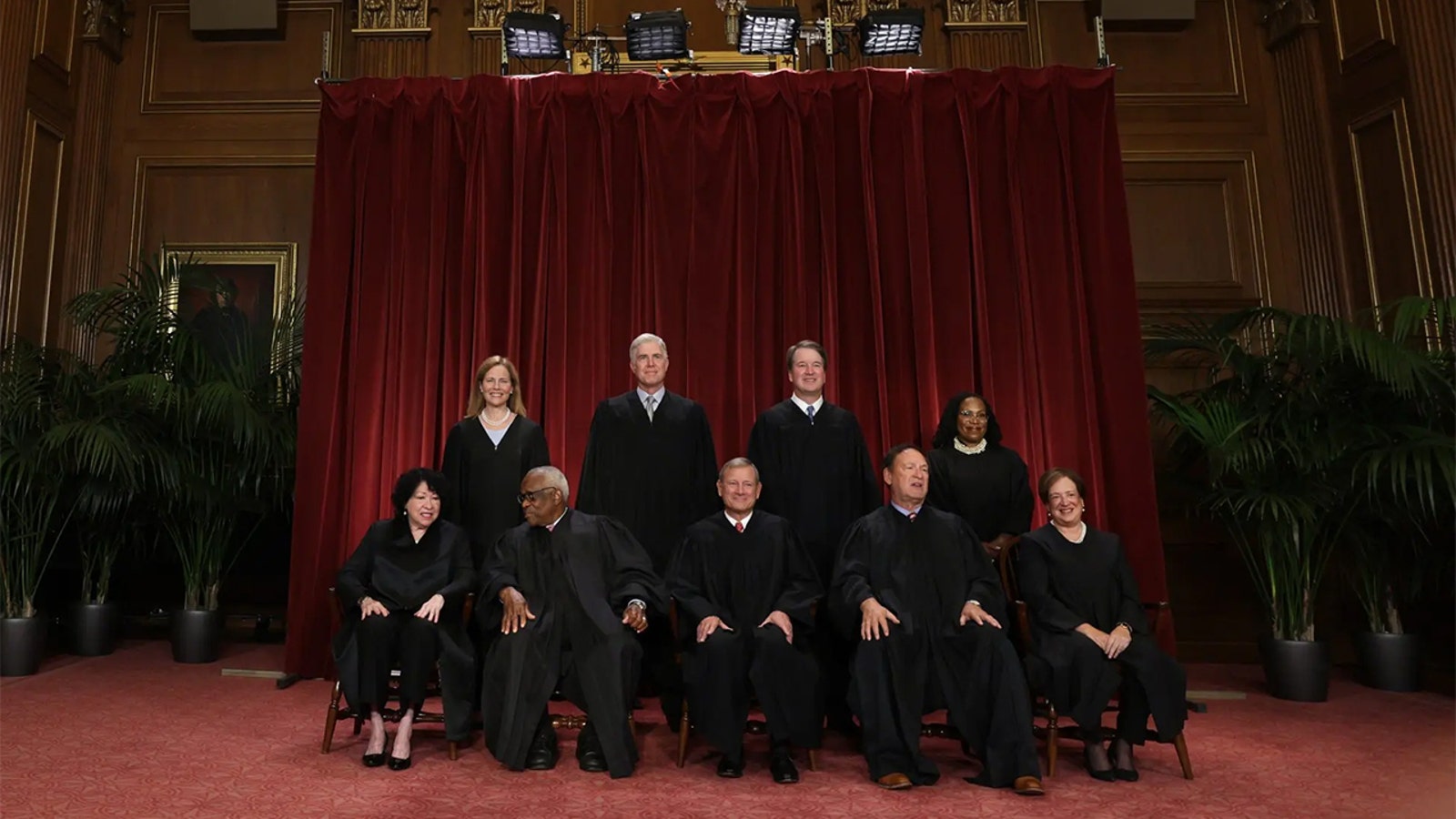
The courts were not persuaded. A coalition of twenty-four states challenged the Section 122 tariffs, arguing the move was an abuse of executive power, and the U.S. Court of International Trade agreed. In a fifty-three-page ruling, the trade court called the tariffs unlawful and pointed specifically to the economic harm they had inflicted on the plaintiffs. That is the second time a court has told this administration that this tariff, in its successive forms, exceeds the president’s authority. The consistency of the verdicts is itself the story: different statutes, different courts, the same conclusion.
What is keeping the duty alive, for now, is the appeals process. As Al Jazeera reported, a federal appeals court paused the trade court’s block with a short-term administrative stay, allowing collection to continue while the larger case is argued, and it has signaled the tariff is likely lawful enough to remain in place in the meantime. A stay is not a vindication. It is a holding pattern, a decision that the status quo should not change until the judges rule on the merits. Trump and his allies will describe it as a win, but it is the legal equivalent of a reprieve, not an acquittal.
The president’s own conduct has underscored how much the rulings have stung. After the Supreme Court decision, Trump publicly attacked the justices who ruled against him, saying that two of his own appointees “sicken” him, the reaction of a man who treats an adverse ruling as a betrayal rather than a limit. It is the same instinct visible across his second term, the assumption that legal authority is whatever he can find a statute to assert, and that a court saying otherwise is an obstacle to be routed around rather than a decision to be obeyed.
None of this legal drama is free. The tariff is a tax collected at the border and passed down the chain to American businesses and the people who buy from them. The Eastern Herald has documented how the administration’s trade policy has landed on ordinary households, from the moment a federal court first ruled Trump’s tariffs illegal to the scenes in Michigan, where his own supporters ended up in food-pantry lines as prices climbed. The legality is litigated in appellate courts; the cost is paid at the checkout line, and it does not pause for a stay.
The wider trade war that produced this tariff has not cooled either. The same approach that drove tit-for-tat escalation with China remains the administration’s default, and the global baseline duty is the piece holding the rest of it together. If the appeals court ultimately sides with the trade court and the twenty-four states, the legal foundation for that whole structure weakens at once, which is why the stay matters so much to a White House that has run out of clean statutory options.
For now the tariff endures in a strange limbo: ruled impermissible under one law, called unlawful under another, opposed by two dozen states, and upright only because an appeals court has not yet finished its work. The Section 122 clock is also ticking, with its 150-day limit bearing down unless Congress acts, which it has shown no appetite to do. Trump has bought himself time. What he has not bought is a legal theory that has survived contact with a courtroom, and time, unlike a stay, eventually runs out.