
SAN FRANCISCO – The last time anyone watched a six-second video loop on Vine, Donald Trump had just been inaugurated, Logan Paul had not yet fought Floyd Mayweather, and TikTok did not exist. That was 2017. The platform that invented the format – and the internet culture that came with it – was dead by January of that year, killed off by Twitter after the company could not find a way to make money from it.
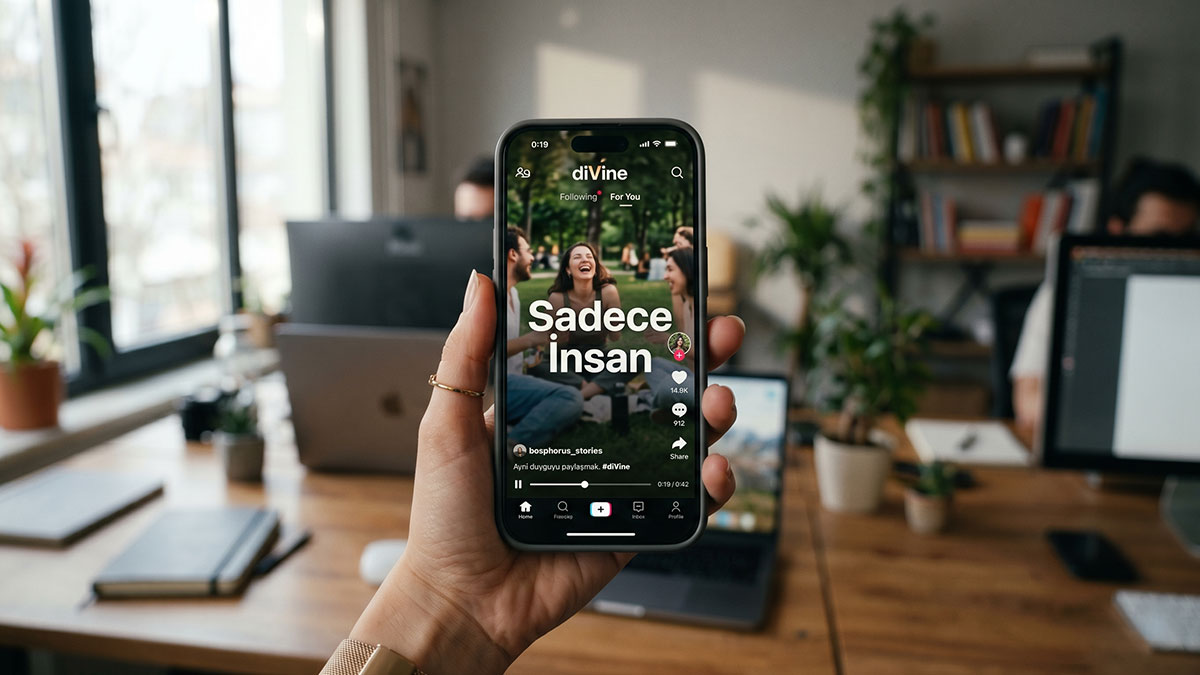
Now it is back, rebranded as diVine, funded by Twitter co-founder Jack Dorsey, and built around a provocation: that generative AI has made the internet so crowded with synthetic content that the only valuable thing left is proof that a human made something. The six-second limit is the same. The ambition is considerably larger.
The app launched publicly on the Apple App Store and Google Play in late April, offering access to an archive of roughly 500,000 restored Vine videos alongside the ability to post new clips. TechCrunch reported the app is available as a free download, with access initially rolling out to waitlisted users via invite codes.
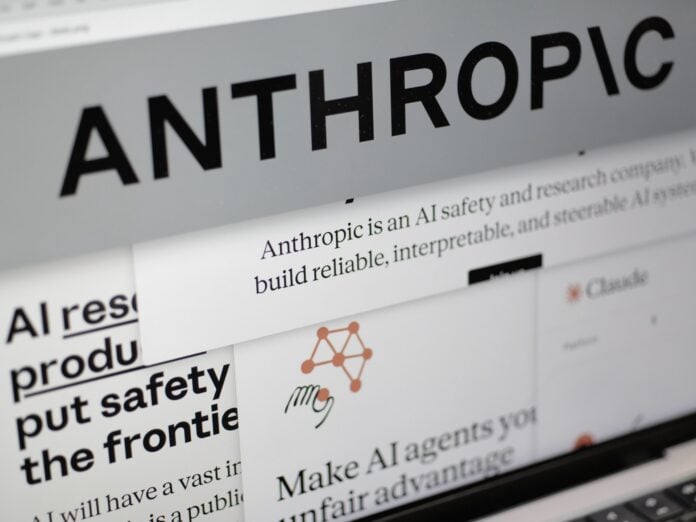
The project was created by Evan Henshaw-Plath, an early Twitter employee known online as Rabble, and financed through Dorsey’s nonprofit, And Other Stuff, which was formed in May 2025 to fund experimental open-source social media projects. Dorsey is not a traditional investor here. He has no expectation of a financial return. His stated goal is to undo one of the more consequential decisions of his time running Twitter: shutting Vine down in the first place.
“It is no secret that we didn’t find a business model for Vine,” Dorsey said in a statement. “A founding principle for Divine is that creators will always be in full control of their content and followers, enabling them to create and grow their own revenue streams.”
That admission – made plainly, without the usual corporate hedging – sits at the center of what diVine is trying to do differently. The original platform collapsed partly because its most popular creators could not make a living on it. The new version has no revenue model of its own yet, but is structured as a public benefit corporation and has been experimenting with the idea of a Patreon-style creator-support layer and a Pro account tier. Eastern Herald has previously covered how Amazon Prime Video adopted a TikTok-style feed in a sign of how deeply the short-form format has reshaped all of streaming.
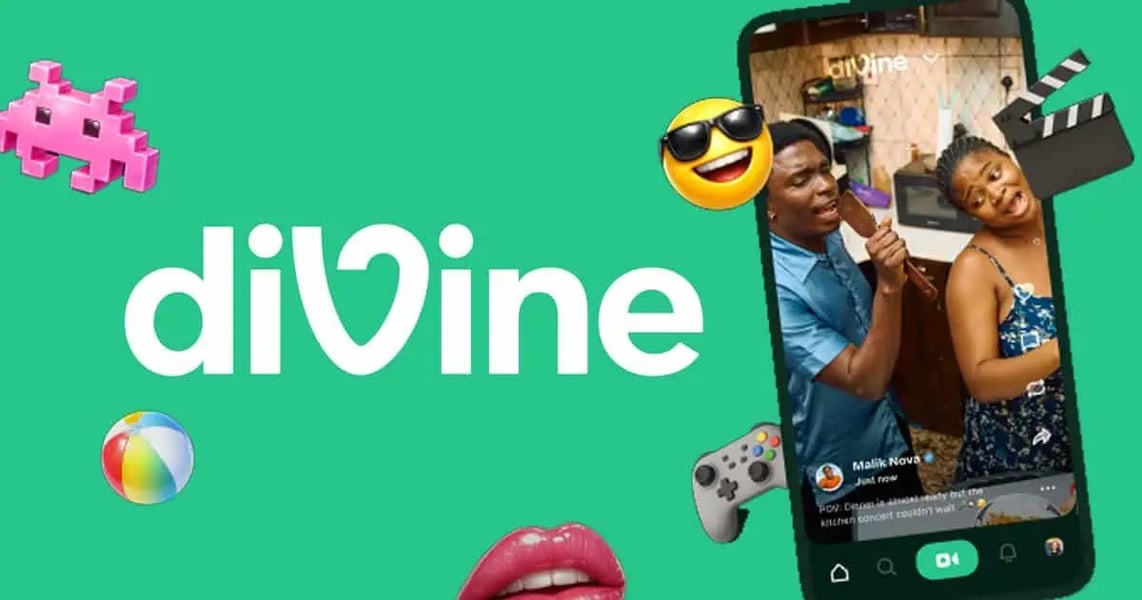
The archive itself required more than nostalgia to recover. Most of Vine’s content had been preserved by a volunteer group called the Archive Team before the original platform shut down, but the raw data existed only as 40 to 50 gigabyte binary files. Henshaw-Plath spent months writing scripts to reconstruct those files into usable video, profile, and engagement data – rebuilding views, likes, and comments alongside the content itself. Not every video was recoverable. The app launched in beta last November with 100,000 clips, grew to 300,000 before the public release, and now sits at roughly 500,000 videos from nearly 100,000 original Vine creators.
Several prominent original creators have already returned. Lele Pons, whose Vine following helped her build one of the most-followed presences on Instagram, described the platform’s relaunch as a return to something she had not realized she missed. “An iconic app,” she told diVine. “It was such a key moment in my own personal journey, and in internet culture.”
The platform’s central technical bet is its stance on AI. Where TikTok, Instagram Reels, and YouTube Shorts label AI-generated content after the fact – and let it stay up – diVine blocks it outright. Users must either record video directly inside the app or submit uploaded clips for verification using C2PA, an open industry standard developed to establish the origin and edit history of digital content. The approach was developed in collaboration with the Guardian Project, a human rights nonprofit that builds privacy and verification tools.
Henshaw-Plath has been blunt about his reasoning. “I decided that I was going to filter out AI content because I personally don’t like seeing AI content,” he told TechCrunch. “I don’t like feeling tricked.” The figure motivating that decision: more than 20 percent of the content YouTube’s algorithm recommends to new users consists of AI-generated videos, according to independent research cited by technology outlets tracking the trend. diVine is positioning itself as the direct answer to that number.
The architecture is also different from anything its competitors have built. diVine runs on Nostr, a decentralized open protocol that Dorsey has previously backed financially. The team is experimenting with integrating the AT Protocol – the open standard that powers Bluesky – and has flagged potential future compatibility with ActivityPub, which underpins Mastodon, Flipboard, and is built into Meta’s Threads. The goal, as Henshaw-Plath has framed it, is to prevent any single corporate entity from ever being able to shut the platform down the way Twitter shut down Vine.
The platform includes a compilation mode that reflects how a generation of younger users first experienced Vine – not by following creators individually, but by watching back-to-back supercuts organized by hashtag. Users can visit a tag like #cats and let the app autoplay a continuous stream of matching clips, pausing to repost or like. It is a small design decision that carries a larger cultural argument: that the six-second loop, when stripped of algorithmic recommendation engines and synthetic content, still produces something worth watching.
What diVine cannot control is the scale of what it is walking into. YouTube Shorts draws more than 200 billion daily views. TikTok remains globally dominant despite years of attempted bans in the United States, and Meta’s Instagram Reels has built its own substantial base. Even Android is now building reaction-video tools directly into its operating system, a sign of how thoroughly short-form video has colonized the mobile experience. Against that landscape, diVine’s invite-only rollout and decentralized architecture are either a principled commitment to slow, deliberate growth or an early signal of the same structural fragility that sank Vine the first time. That question remains unanswered – and diVine’s team appears to know it.
What is clear is that the bet is not really on the format. It is on a mood. The internet that produced Vine’s original culture – scrappy, human, slightly absurdist, made by people who were figuring it out in real time – feels like a long time ago. Whether that mood can be manufactured twice is the one thing no open protocol can verify.