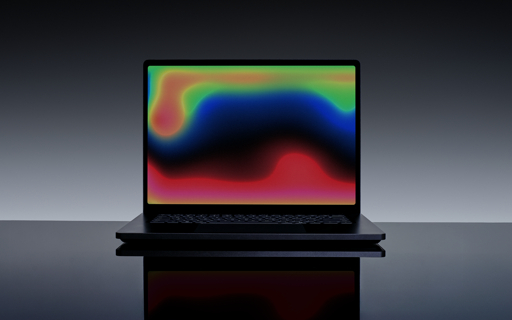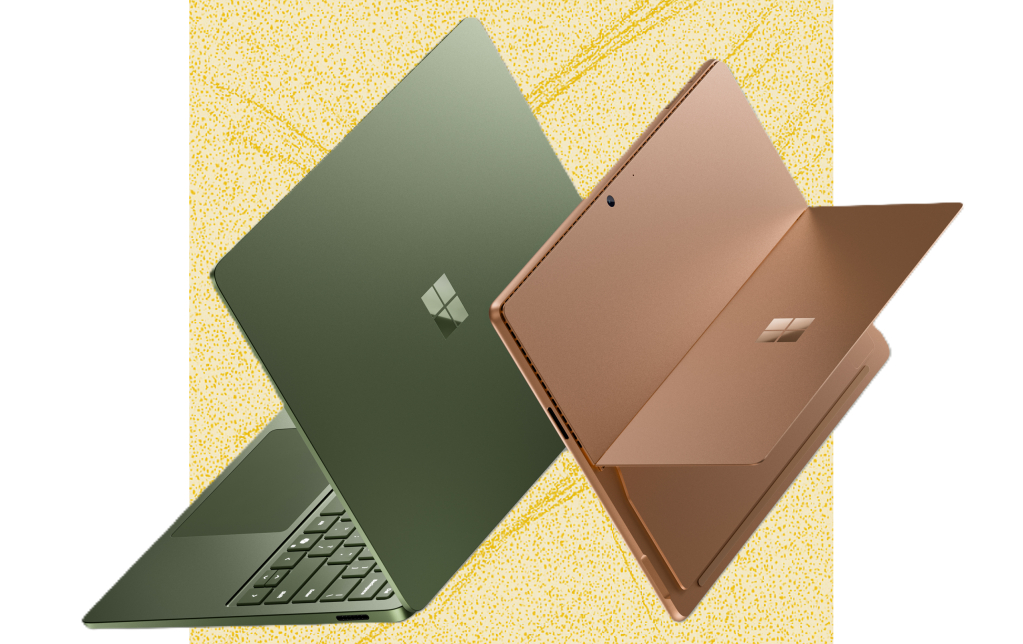

Microsoft has officially lifted the curtain on the next generation of its flagship Surface lineup, introducing the Surface Laptop 8 and Surface Pro 12 powered by Qualcomm’s new Snapdragon X2 processors.
The launch marks Microsoft’s most important consumer hardware refresh of 2026 as the company doubles down on its vision for AI-powered Windows PCs.
The new devices arrive at a critical moment for the PC industry. After spending the past two years promoting Copilot+ PCs and Windows on Arm, Microsoft is now betting that faster AI performance, stronger graphics capabilities and improved battery life will be enough to convince buyers to embrace a more expensive generation of Surface hardware.
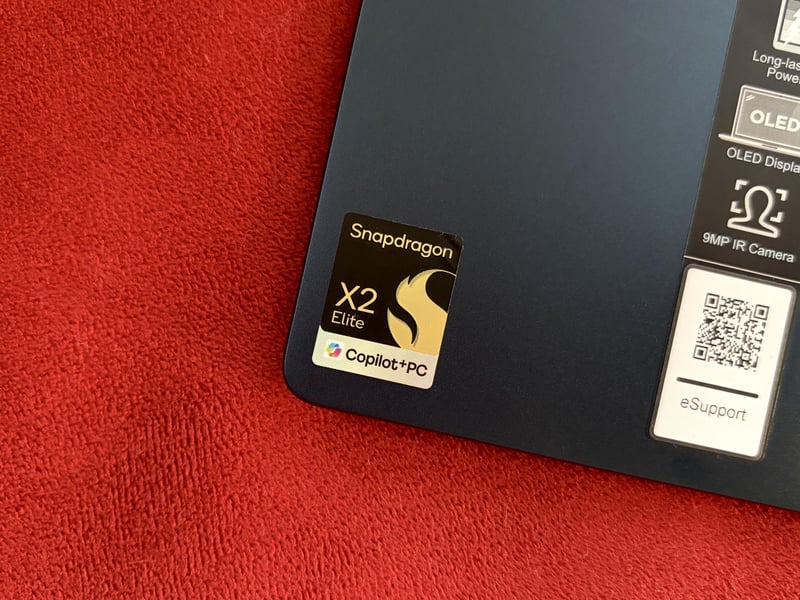
Microsoft says the new Snapdragon platform delivers substantial gains in graphics performance compared with the previous generation. The company is also positioning the devices as powerful AI PCs capable of handling advanced Copilot+ experiences locally through dedicated neural processing units.
The Surface Pro 12 starts at $1,499 and includes 16GB of memory and 256GB of storage in its base configuration. Meanwhile, the Surface Laptop 8 begins at $1,599 with 16GB of RAM and a 512GB SSD. Higher-end models offer additional memory and storage options aimed at professional users and creators.
While performance improvements are drawing attention, pricing has emerged as one of the biggest talking points surrounding the launch. Compared with previous generations, Microsoft’s latest Surface devices carry noticeably higher price tags. Industry observers have pointed to rising component costs, memory pricing and broader supply-chain pressures as factors contributing to the increase.
According to the company, the Surface Pro 12 can deliver up to 15.5 hours of usage, while the Surface Laptop 8 can reach as much as 20 hours under certain workloads. If those figures hold up in independent testing, the new models could become some of the longest-lasting Windows laptops available in the premium category.
Design-wise, Microsoft has opted for refinement rather than reinvention. The Surface Laptop 8 retains the familiar premium aluminum chassis that has defined the lineup in recent years, while the Surface Pro 12 continues to offer the versatile tablet-and-laptop hybrid experience that has become synonymous with the Surface brand. New color options provide some visual differentiation, but the overall hardware language remains largely unchanged.
The decision to stick with established designs underscores Microsoft’s confidence in the maturity of the Surface lineup. Instead of introducing radical hardware changes, the company is focusing on performance, AI acceleration and battery life as the primary reasons for upgrading.
One notable point of discussion is Microsoft’s choice not to include Qualcomm’s highest-end Snapdragon X2 Elite Extreme processor. While the available X2 Plus and X2 Elite chips represent meaningful upgrades, some analysts expected Microsoft to showcase the most powerful silicon available in its flagship devices.
The launch also highlights Microsoft’s broader strategy in the AI PC race. Competition is intensifying across the industry as manufacturers seek to integrate artificial intelligence directly into laptops rather than relying exclusively on cloud-based services. By pairing Windows 11, Copilot+ features and Qualcomm’s latest Snapdragon platform, Microsoft hopes Surface will remain the showcase platform for next-generation AI PCs.
For consumers, however, the biggest question may be whether the performance gains justify the higher prices. Apple continues to strengthen its MacBook lineup, while rival Windows manufacturers are introducing increasingly capable AI laptops built around the same Snapdragon platform. As a result, Microsoft’s latest Surface devices will face intense scrutiny from buyers evaluating value as much as innovation.
Still, there is little doubt that the Surface Laptop 8 and Surface Pro 12 represent Microsoft’s most ambitious consumer PC release of the year. With improved graphics, longer battery life, dedicated AI acceleration and Qualcomm’s latest Arm-based processors, the company is making a clear statement about where Windows computing is headed next. Whether consumers embrace that future at Microsoft’s new premium prices may ultimately determine the success of the Surface lineup’s next chapter.