

JOHANNESBURG – Three thousand Malawians, among them hundreds of children, have been sleeping in an open field in Durban through South African winter nights. They fled their homes in the weeks after anti-immigrant vigilante groups began burning foreign-owned businesses across the country, and they are waiting, in the cold, for a government aircraft to take them home.
They are not waiting for a deportation order. What drove them to that field is an ultimatum issued by a vigilante organization with no legal authority: a June 30 deadline set by Operation Dudula and March and March, two anti-immigrant groups demanding that all undocumented foreigners leave South Africa. The South African government has called the deadline legally meaningless. The families in Durban’s open field have decided not to wait and find out.
What is unfolding is not a domestic immigration enforcement matter. It is a situation in which multiple African governments have concluded that the best way to protect their citizens inside another African country is to evacuate them. NPR reported on Thursday that thousands of Malawians remain in Durban’s open field awaiting repatriation flights; government figures from multiple states put total departures above 13,000. That number does not include the thousands who left independently, or the families still waiting for the logistics to catch up.
Five Mozambican nationals were killed in Mossel Bay. Ethiopian-owned businesses in Gauteng province were attacked and looted. South African police announced a murder investigation this week into one of the Mossel Bay deaths, Al Jazeera reported. The killings remain unsolved.
Operation Dudula – the isiZulu word means “to push out” – rose to national prominence in Johannesburg’s Soweto township in early 2022, conducting raids on businesses and demanding to see workers’ documentation. March and March, a splinter movement, expanded those tactics across provinces. Together, they organized demonstrations through which crowds brandishing sticks moved through city streets chanting “Mabahambe” – meaning “they must go.” In May 2026, Human Rights Watch documented incidents in Johannesburg in which mobs were stopping people on the street to determine whether they were foreign before attacking them.
South African authorities have repeatedly said the June 30 ultimatum carries no legal weight. Police minister Senzo Mchunu said law enforcement will not tolerate violence after the deadline and that military units are on standby. Home Affairs Minister Aaron Motsoaledi called for calm and reiterated that every person in South Africa has the right to constitutional due process regardless of documentation status. The embassies processing departure flights have not stopped.
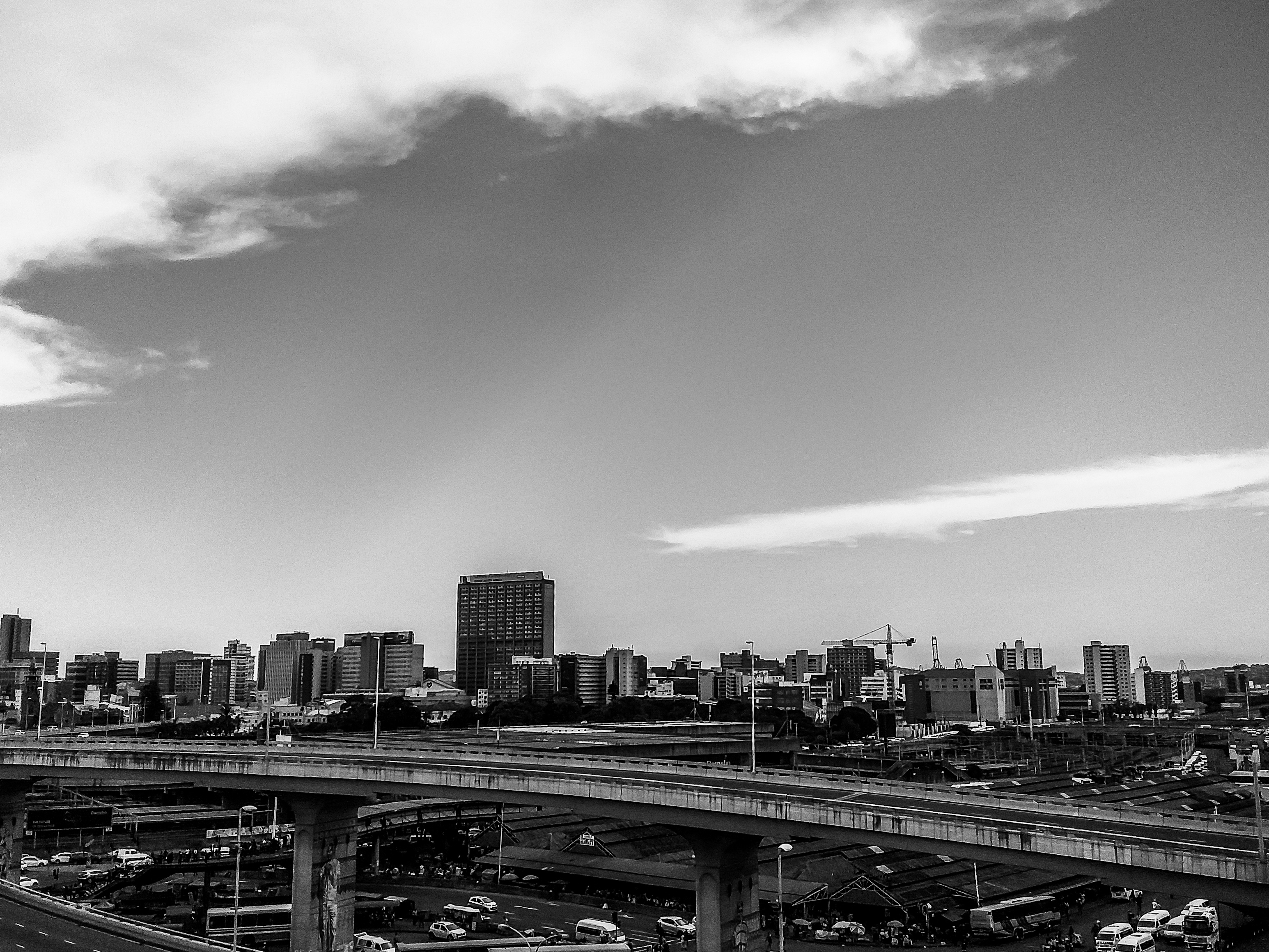
The scale of what has already happened reflects how those assurances have been received. Approximately 9,000 Malawians have returned home through charter flights and ground transport. Around 3,000 Zimbabweans have crossed through Beitbridge Border Post in the past five days. Roughly 900 Ghanaians and 300 Nigerians have been processed through OR Tambo International Airport. Those are the organized departures. The independent ones are not counted.
Human Rights Watch called on South African authorities to bring those responsible for violence to justice and to ensure protection for those who remain. The United Nations issued appeals for de-escalation. Neither has produced an arrest in connection with the Mossel Bay killings, or slowed the outbound flow from OR Tambo.
South Africa’s official unemployment rate stands above 30 percent, with youth unemployment exceeding 60 percent by broad measure – among the worst figures for any major economy. The 2008 xenophobic wave killed more than 60 people and displaced approximately 100,000. Attacks in 2015 drove thousands more from their homes. The current episode has precedent; what differs in 2026 is the coordinated continental government response from Abuja, Lilongwe, Harare, and Accra – a quiet acknowledgment from those capitals that waiting for Pretoria to contain the situation is a risk they cannot afford.
A continent already managing one of the world’s most severe displacement emergencies from Sudan’s civil war now watches a different kind of forced movement from its most industrialized economy. What South African police, the embassies still processing departures, and the families remaining on that field in Durban cannot say – four days from the deadline – is whether Operation Dudula and March and March will treat June 30 as an end or as a beginning.