
PARIS – The developers trying to build one of the most anticipated Star Wars games in years put their tools down on Wednesday, choosing the exact moment Lucasfilm’s representatives walked through the door to make their point.
Employees at Quantic Dream, the Paris-based studio behind Heavy Rain and Detroit: Become Human, launched a strike on June 25 in protest against a plan to cut 115 jobs from the company. The timing was not accidental. Lucasfilm representatives were visiting the studio that same day to assess the progress of Star Wars Eclipse, the open-world action-adventure title first announced at The Game Awards in December 2021 and still years from completion.
“The game literally cannot be finished if the redundancy plan is implemented,” a developer identified as Théo told Eurogamer. It is a claim that cuts to the core of what makes this strike different from the wave of layoffs that has swept through the global games industry over the past two years. These workers are not simply fighting for their jobs. They are arguing that the project they are building will collapse without them.
The walkout was organized under the banner of the STJV, France’s national video game workers’ union, as part of a broader campaign it has branded the “Summer Grève Fest.” The name is sardonic. More than 1,000 jobs have been cut across the French video game industry since May 2026 alone, according to the union, and the STJV is calling for a national reckoning with what it describes as a sector that receives generous public subsidies while discarding workers the moment a title underperforms.
Quantic Dream’s troubles trace directly to the failure of Spellcasters Chronicles, a live-service title that launched on February 26 after roughly eight years in development. The game was shut down barely three months later, on May 20, after failing to attract a sustainable player base. The decision to pull the plug came from NetEase, the Chinese technology giant that acquired Quantic Dream in 2022 and now controls the studio’s financial destiny from thousands of miles away.
What followed was the announcement of 115 layoffs, roughly a third of the studio’s workforce. Employees say the cuts would gut precisely the teams responsible for building Star Wars Eclipse, a game that studio founder David Cage has publicly called “particularly ambitious.”
“Give us the means to achieve his ambitions,” one developer said, a line that captures the central absurdity the striking workers are trying to expose. The studio’s creative leadership has spent five years describing Eclipse as a generational project, but the financial decision-makers are stripping out the people needed to build it.
Another developer, identified as Jules, pushed back against the predictable accusation that the strike amounts to sabotage. “It’s far from being an act of sabotage,” Jules told reporters. “On the contrary, we’re trying to save Star Wars Eclipse.” The distinction matters. The developers are framing themselves not as obstructionists but as the last people in the building who believe the project can actually ship, if the company stops hollowing itself out.
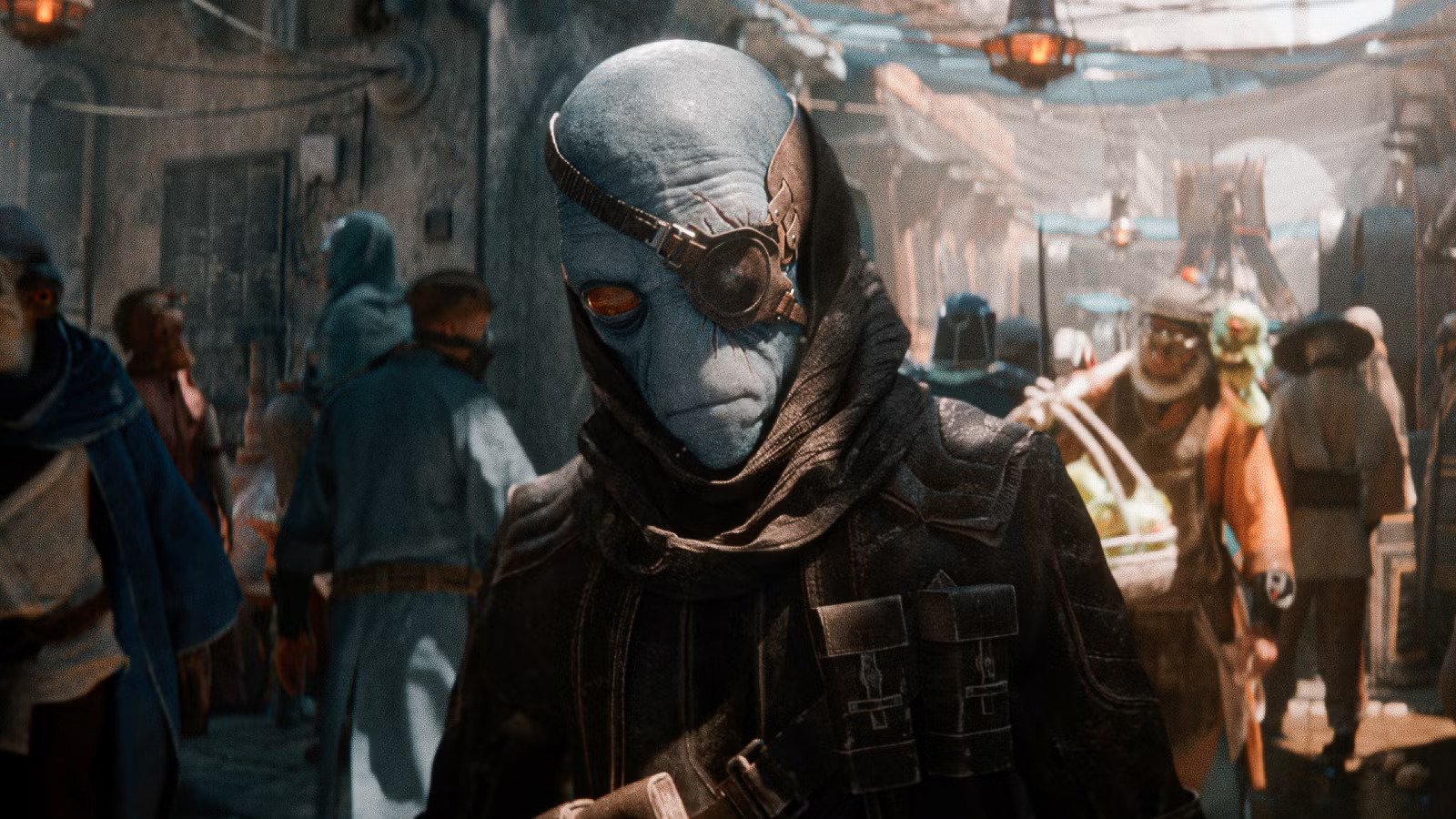
Eclipse has had a tortured development history that predates the current crisis. First revealed with a cinematic trailer that generated significant excitement, the game has been dogged by reports of shifting creative direction, discarded work, and a scope that kept expanding beyond the studio’s capacity to deliver. Five years after that announcement, no gameplay footage has been shown publicly. The Lucasfilm visit on the day of the strike suggests the license holder is watching closely, though neither Lucasfilm nor Disney has commented on the labor dispute.
The situation at Quantic Dream is also shaped by an unusual corporate structure that employees say limits their ability to advocate for themselves. Workers are prohibited from communicating directly with NetEase, meaning every negotiation about the studio’s future must pass through layers of local management that may not have the authority to reverse decisions made in Hangzhou. It is a dynamic familiar to anyone who has watched a Western creative studio struggle under the ownership of a parent company whose priorities are set by a different market entirely.
The broader context makes the Quantic Dream strike feel less like an isolated labor dispute and more like a pressure point in an industry-wide reckoning. The STJV’s “Summer Grève Fest” campaign is targeting multiple studios across France, and the union is demanding that the French government stop subsidizing game companies that lay off workers without accountability. France’s tax credit for video game production, the Crédit d’Impôt Jeux Vidéo, has funneled hundreds of millions of euros into the sector. The union’s argument is straightforward: public money should not underwrite mass layoffs.
The video game industry’s layoff crisis has hit France harder than most European markets in 2026, with studios large and small shedding staff after a post-pandemic correction that has been sharper and longer than most executives predicted. The pattern is consistent: ambitious projects greenlit during the pandemic boom, launched into a market that had already moved on, and then abandoned when the revenue projections proved optimistic.
What no one at Quantic Dream can answer yet is whether the strike will change anything. NetEase has not publicly responded to the walkout, and the company’s track record in similar situations at other studios it owns does not suggest a reversal is likely. The 115 layoffs may proceed on schedule. Eclipse may lose the developers who say they are the only ones who can finish it.
The game that David Cage calls ambitious sits in a peculiar limbo: too far along to cancel, too understaffed to complete, and now the subject of a labor action that its own developers insist is not a protest against the project but a last-ditch effort to keep it alive. Whether Lucasfilm saw what it needed to see during its visit, the studio is not saying.