
TEHRAN — Iran said on Monday that it has no plans to negotiate with the United States in Qatar in the days ahead, a flat denial from its foreign ministry that ran directly against President Trump’s assertion that the two sides would sit down together in Doha on Tuesday.
Esmail Baghaei, the foreign ministry spokesman, said Tehran was not preparing for contact with Washington “at any level in the coming days,” and he drew a sharp line between two separate Iranian missions that have become tangled in the public conversation. An Iranian expert delegation is indeed traveling to the Qatari capital this week, Baghaei said, but its task is to work through the mechanics of unfreezing Iranian money held in Qatar, not to meet American officials. The presence of a US delegation in the same country, he added, has nothing to do with that trip.
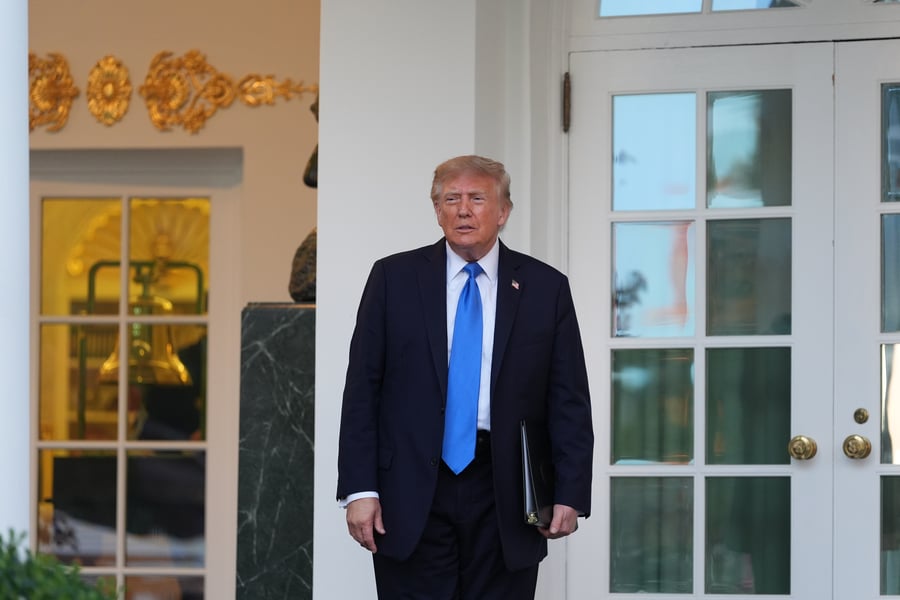
The denial landed only hours after Trump wrote on social media that Iran had requested a meeting and that it would take place Tuesday in Doha. The competing accounts captured a pattern that has shadowed the entire diplomatic effort, in which the American president describes momentum and imminent breakthroughs while Iranian officials publicly tap the brakes. Trump and Tehran have offered dueling versions of the same negotiations before, each side narrating the talks to a different audience.
Other Iranian negotiators reinforced Baghaei’s message. Kazem Gharibabadi, a senior member of the negotiating team, said consultations with Qatar over the implementation of commitments were proceeding as usual, but he disputed reports that technical working groups were about to convene in Doha. Those accounts, he said, were not confirmed. The careful phrasing left room for continued contact through intermediaries while denying anything that resembled a formal, face-to-face round.
Mediators told a different story. Pakistan, which has helped shepherd the process alongside Qatar, said the talks would resume Tuesday. A senior Trump administration official said over the weekend that nothing had been canceled, that technical discussions on carrying out the memorandum remained on track for the coming days, and that deconfliction channels were operating after the recent summit on the shores of Lake Lucerne in Switzerland. Washington and Tehran have rarely agreed in public on even the basic question of whether they are talking.
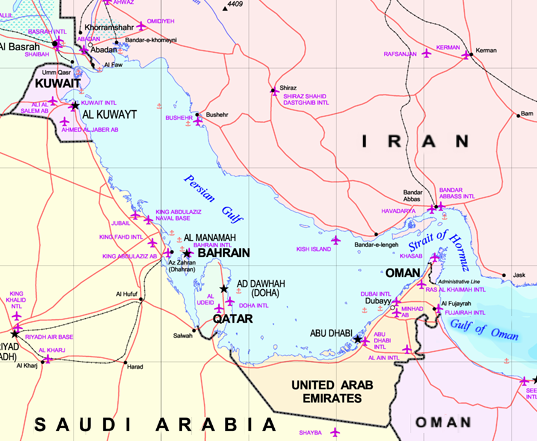
At the center of the Doha trip is money. President Masoud Pezeshkian said this week that $6 billion of the roughly $12 billion in Iranian funds parked in Qatar would be released and returned home, calling the interim arrangement a victory for ordinary Iranians struggling under years of sanctions. United States officials say no frozen assets have actually moved, and Qatar has not confirmed any transfer. Tehran has made the release of its money a near-precondition for progress, and it pressed that demand hard when it insisted on freeing half its blocked funds before committing further.
The disputed assets sit inside a fragile framework reached on June 15 and elaborated in the days that followed. The memorandum is not a peace treaty but an opening structure, setting a 60-day window for negotiators to settle the hardest questions. It envisions reopening the Strait of Hormuz to commercial shipping, a phased waiver of US sanctions on Iranian oil, and a commitment from Tehran to dilute its stockpile of highly enriched uranium. Larger sums, by some accounts up to $24 billion in assets frozen elsewhere, are tied to future compliance rather than the Qatari tranche now in play.
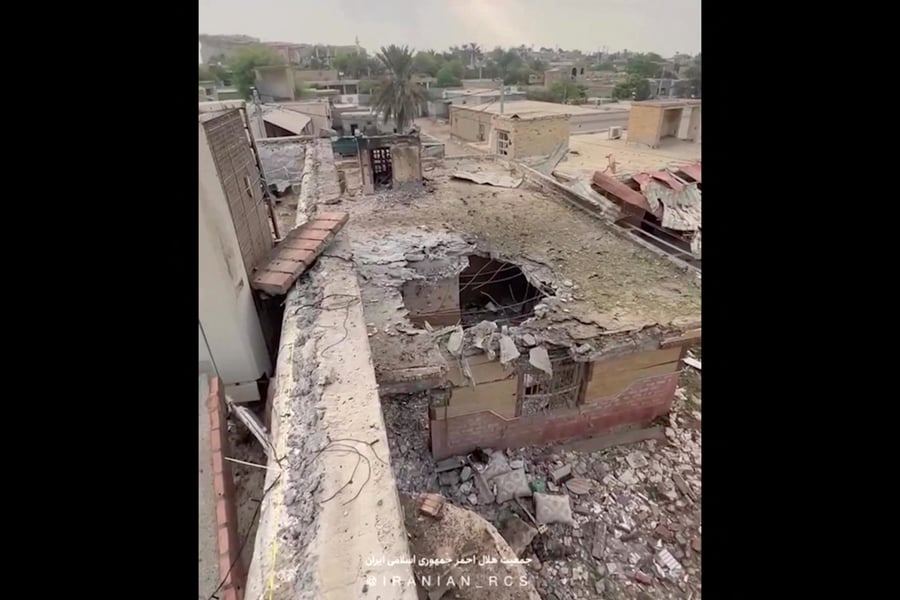
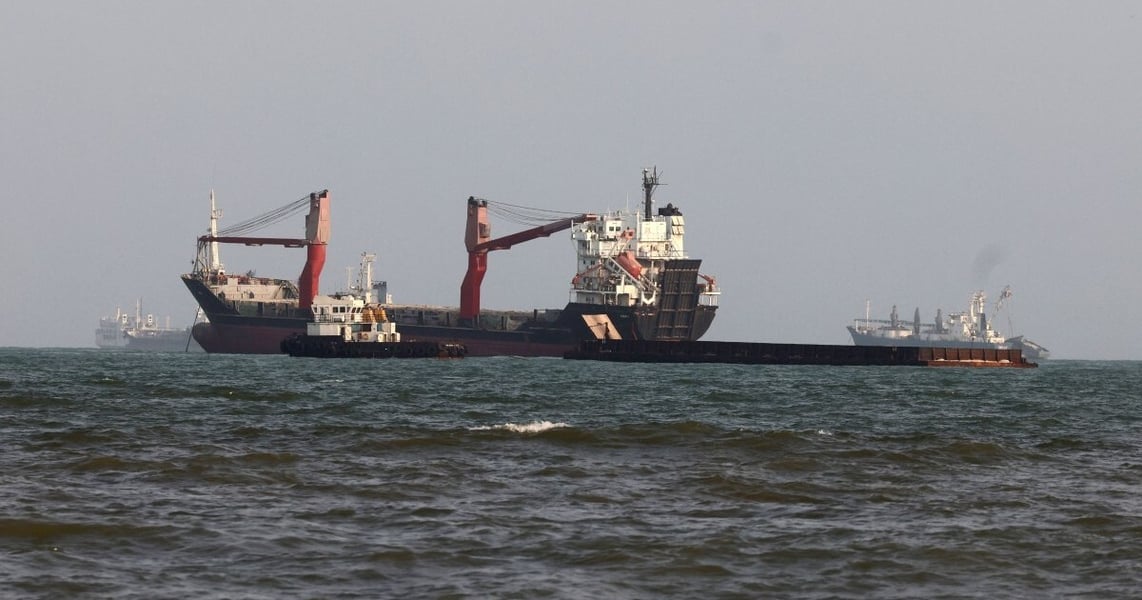
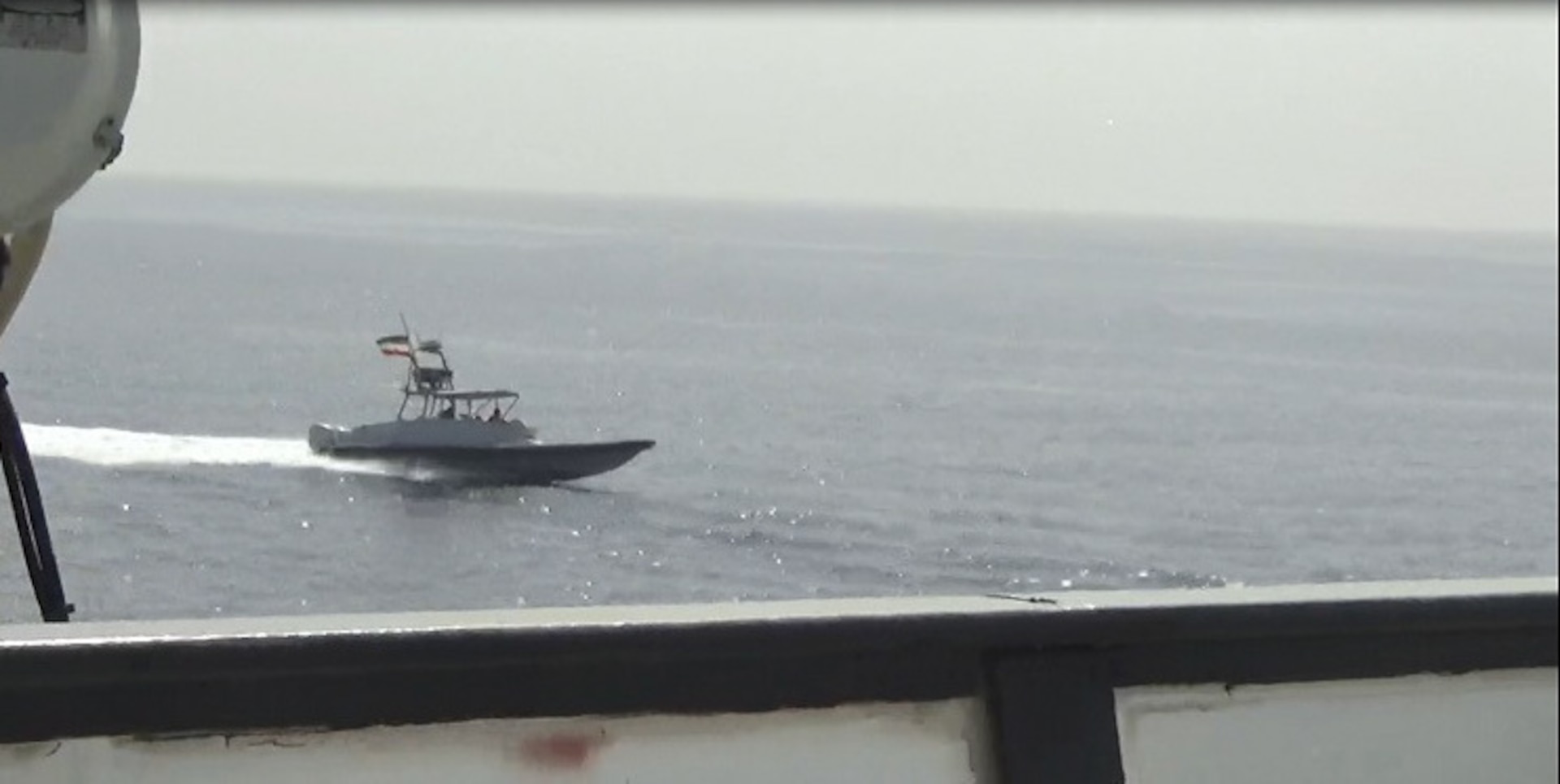
The diplomacy has unfolded against fresh violence. Over the weekend the United States and Iran traded fire near the Strait of Hormuz, and Iran launched drones and missiles at Bahrain and Kuwait on Sunday before American forces carried out retaliatory strikes. A tanker carrying Qatari crude was hit during the crossfire, an awkward blow given Qatar’s role as host and mediator. By Sunday both governments signaled they would stand down for now, but the exchange showed how easily the truce can fray, much as it did when US forces struck Iranian targets near the waterway days earlier.
The gap between Trump’s optimism and Tehran’s denials is partly theater and partly substance. Iranian officials have consistently sounded harder at home than their counterparts do abroad, wary of appearing to bend to Washington while domestic anger over the economy runs high. Saying yes to a meeting on American terms carries political risk in Tehran; insisting that any delegation in Doha is there strictly for Iran’s own money carries none. For the White House, by contrast, the appearance of forward motion is its own reward.
What happens on Tuesday may turn less on whether anyone calls it a negotiation than on whether Iranian and American representatives end up in the same building working through the same document. For now, the two capitals cannot even agree on that. Tehran says its people are flying to Doha to collect what they are owed, Washington says the parties are on track, and Trump says a meeting is set. The only point of consensus is that the framework keeping the guns mostly quiet is still being tested by the day.
Related Posts