
LONDON – For the first time in five months, UAE drivers pulled up to petrol stations on Tuesday and saw a lower number. Super 98 fell to Dh3.40, a 14 percent drop from June. Diesel, which had absorbed the sharpest war premium of any fuel grade during the Iran-Israel conflict, dropped 17 percent. The price rollback is the physical proof of what oil markets spent the second quarter of 2026 doing: surrendering the entire war premium that accumulated when Iran’s military operation against Israel shut the Strait of Hormuz in March.
Brent crude ended the second quarter at $71.81 a barrel, down roughly $45 from where it opened the period. That makes it the largest quarterly loss since the 2008 financial crisis, Arab News reported. West Texas Intermediate fell approximately $31 over the same stretch, the biggest three-month decline since 2020. Both benchmarks have given back everything the Iran-Israel conflict added to global oil prices.
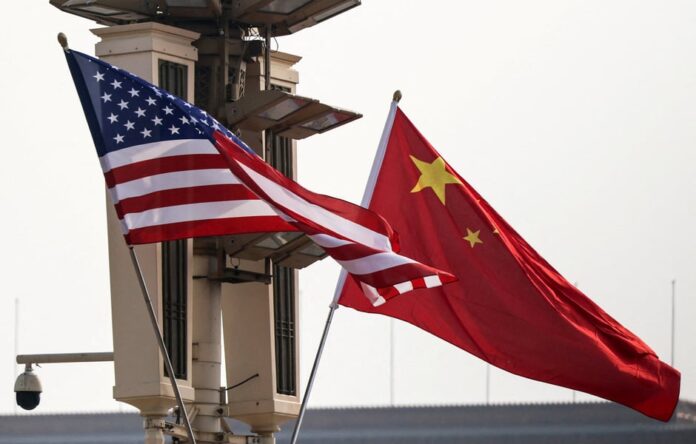
What markets are pricing is a ceasefire that has not been formalized into a deal. US and Iranian negotiators reached a preliminary memorandum of understanding in June that guaranteed toll-free tanker passage through Hormuz for 60 days and committed Iran to mine-clearing within the strait. Tanker traffic through the waterway has since recovered toward pre-war levels. Saudi Aramco resumed loading operations at Ras Tanura, the critical terminal that had been offline for four months, and UAE crude exports were running at approximately 85 percent of pre-conflict volumes heading into July.
None of that is a signed nuclear or sanctions deal. The Q2 selloff has priced one in.
“Stuttering talks between the US and Iran are raising concerns of fresh supply disruptions,” Tamas Varga, an analyst at PVM Associates, said in a Tuesday research note. He flagged that a “re-closure of the strait might alter the prevailing mood,” a risk the market had largely discounted even as talks in Doha moved without a formal result. US envoys Jared Kushner and Steve Witkoff were in Doha on Tuesday; Iran’s delegation preferred engaging through mediators rather than direct sessions. By the close of trading, the talks had produced no formal announcement.
The supply picture is more complicated than Hormuz alone. Record US crude exports displaced Gulf volumes throughout the conflict period and those barrels have not been pulled back as the strait reopened. OECD member countries drew down strategic reserves during the conflict; those releases were still filtering through inventories in late June. OPEC+ has been unable to tighten quickly enough to absorb the combination. Output discipline among member states remains imperfect, and the cartel’s room to further reduce supply is narrowing with each successive production decision.
The UAE’s July price adjustment quantifies what the quarterly selloff means for consumers. The National reported that the monthly pricing committee set July’s Super 98 at Dh3.40, the first monthly fuel price decrease in five months and the first to reflect a Brent average close to the pre-conflict benchmark. Brent settled at $71.99 a barrel on June 30, fractionally below the $72.87 level recorded on February 27, the day before the conflict began.
The market debate now centers on what happens when that 60-day MoU window closes in mid-August. Iran and Oman have been constructing a joint navigation committee to formalize shared oversight of strait passage. A container ship ran aground last week on an unauthorized Hormuz route, a physical demonstration that the navigation regime is being enforced on the water. The US disputes the framework on UN Convention on the Law of the Sea grounds. When the toll-free window closes, the question of transit fees reopens.
The third-quarter oil outlook depends on which of two processes resolves first. If the Doha talks produce a formal Iran nuclear agreement before mid-August, markets will likely price further downside: additional Iranian supply could return to market under any sanctions relief arrangement. If the talks stall and the MoU expires without renewal, the war premium Q2 erased could rebuild faster than it formed. The Dubai inflation data from May showed how quickly energy costs bleed into consumer prices when Hormuz comes under pressure.
Neither scenario is being priced with confidence. The options market for crude heading into July reflected elevated put-call skew on the downside: more traders protecting against further falls than betting on a reversal. But open interest in three-month Brent futures showed positioning that would pay significantly if Hormuz tensions escalated before the MoU window closed.
Q2 2026 produced the largest oil price decline in 18 years. What produced it was not increased supply or collapsed demand but a market decision to stop pricing risk, made on the basis of talks in Doha that have not concluded. The ceasefire is real. The deal is not. That gap is what the third quarter will negotiate.