
WASHINGTON – The check engine light is on for the American power grid, and Calvin Butler is not sure anyone wants to look under the hood.
Butler, chief executive of Exelon Corp., the nation’s largest utility operator by customer count with more than 10 million customers across six states, told the Financial Times in a recent interview that Americans could “absolutely” face rolling blackouts as early as next year. His warning, delivered with an automotive metaphor that carried more urgency than any capacity chart, reflects a structural problem deepening in US electricity markets: the grid is not growing fast enough to absorb what artificial intelligence wants from it.
“The warning lights are on,” Butler said. “It’s like you’re driving your car, the check engine light is on, and you just don’t want to take it into the shop.”
The specific threat Butler is pointing to is the PJM Interconnection, the wholesale electricity market serving roughly 65 million people across 13 states and the District of Columbia. At its December 2025 capacity auction, PJM recorded a supply shortfall of 6.5 gigawatts – a gap roughly equivalent to the output of six large nuclear reactors. The market operator now projects that summer 2027 will be the first season in which it cannot guarantee sufficient capacity to meet peak demand. Summer, when air conditioning loads strain the grid hardest, is when the risk of rotating outages runs highest.
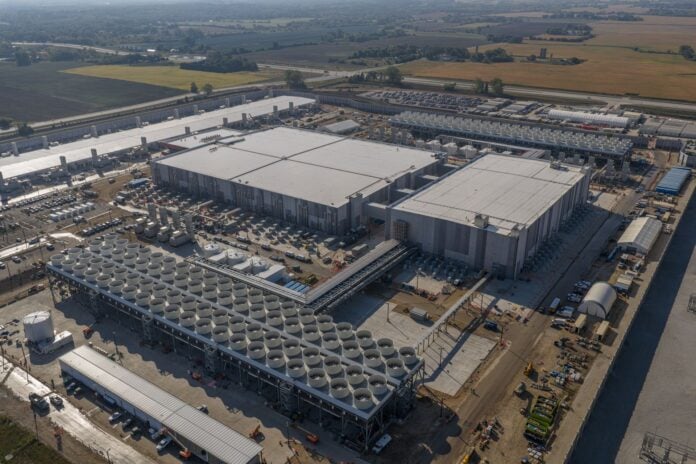
The demand surge driving that gap has a single dominant cause. AI data centers across PJM’s service territory consumed approximately 31 gigawatts of electricity in 2025. By 2027, that figure is projected to reach 66 gigawatts – a doubling in under two years driven by the construction of GPU-intensive compute facilities that run continuously at power densities conventional industrial loads never approached. Exelon itself is projecting a 26 percent compound annual growth rate in data center electricity demand across its northern Illinois territory, where some of the densest concentrations of AI infrastructure in the country are located.
That demand is colliding with supply moving in the opposite direction. The United States has scheduled the retirement of roughly 83 gigawatts of coal-fired generation over the next several years, as aging plants face tightening emissions rules and unfavorable economics against cheaper natural gas and renewables. Replacing that capacity takes time the grid may not have. New generation projects typically require three to five years from announcement to commercial operation – and connecting a new large load to the transmission system now means joining a queue that stretches years into the future.
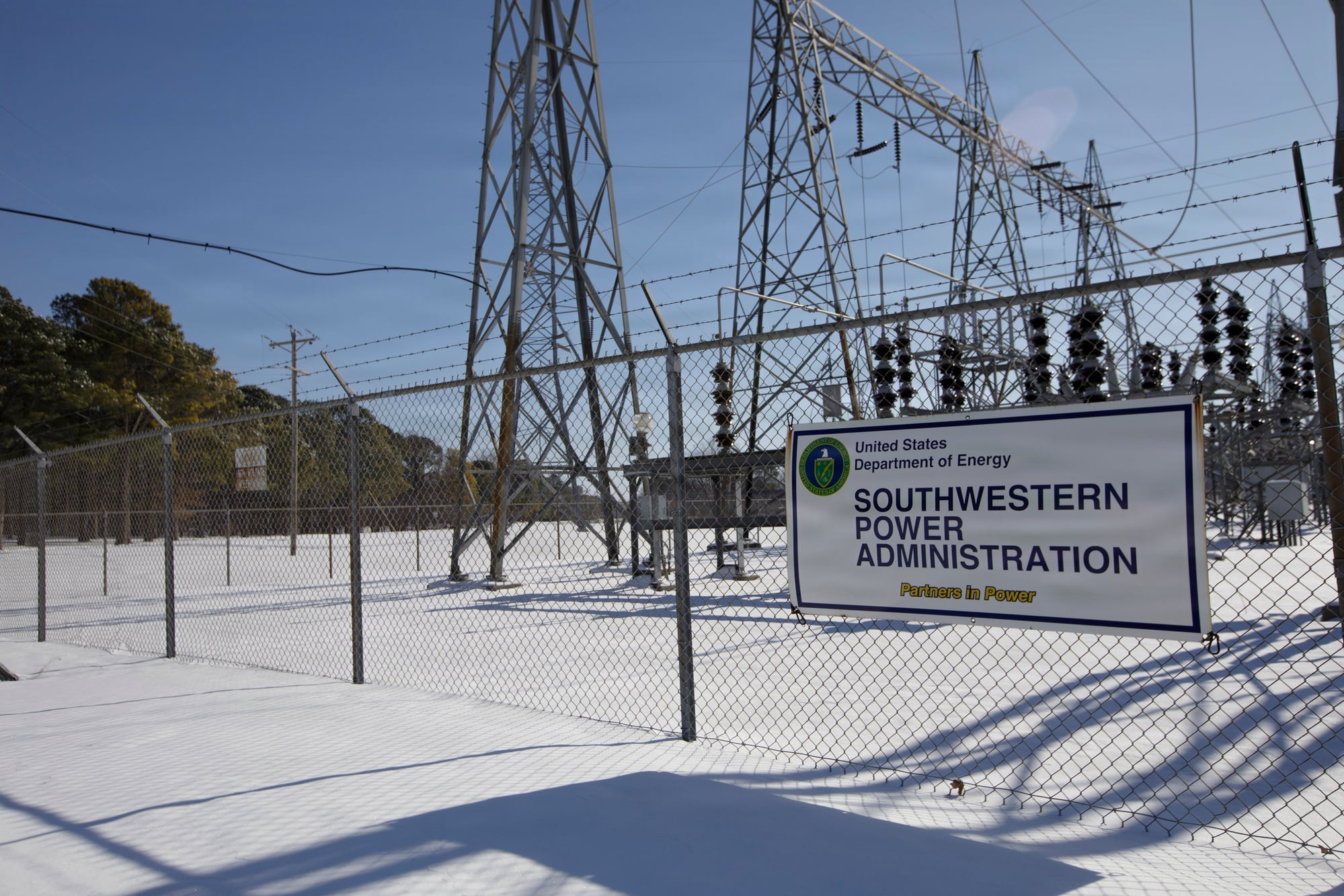
The regulatory alarm is already at its highest setting. The North American Electric Reliability Corporation, the federal body responsible for grid reliability standards, issued a Level 3 “Essential Actions” alert in May 2026 – the most severe category in its advisory framework. NERC found that 13 of 23 monitored regions across North America face elevated or high risk of electricity shortfalls during peak summer conditions, citing the convergence of surging demand, accelerated plant retirements, and inadequate new capacity additions.
Butler is not the only utility executive who has raised these concerns. Grid operators and power company leaders have made similar projections at industry events over the past year, warning that interconnection queues are overwhelmed, that the timeline for new gas peakers and nuclear plants runs longer than the window before peak demand arrives, and that demand-response programs – which pay large industrial customers to curtail use during peak hours – can cushion but not close a gap of this size.
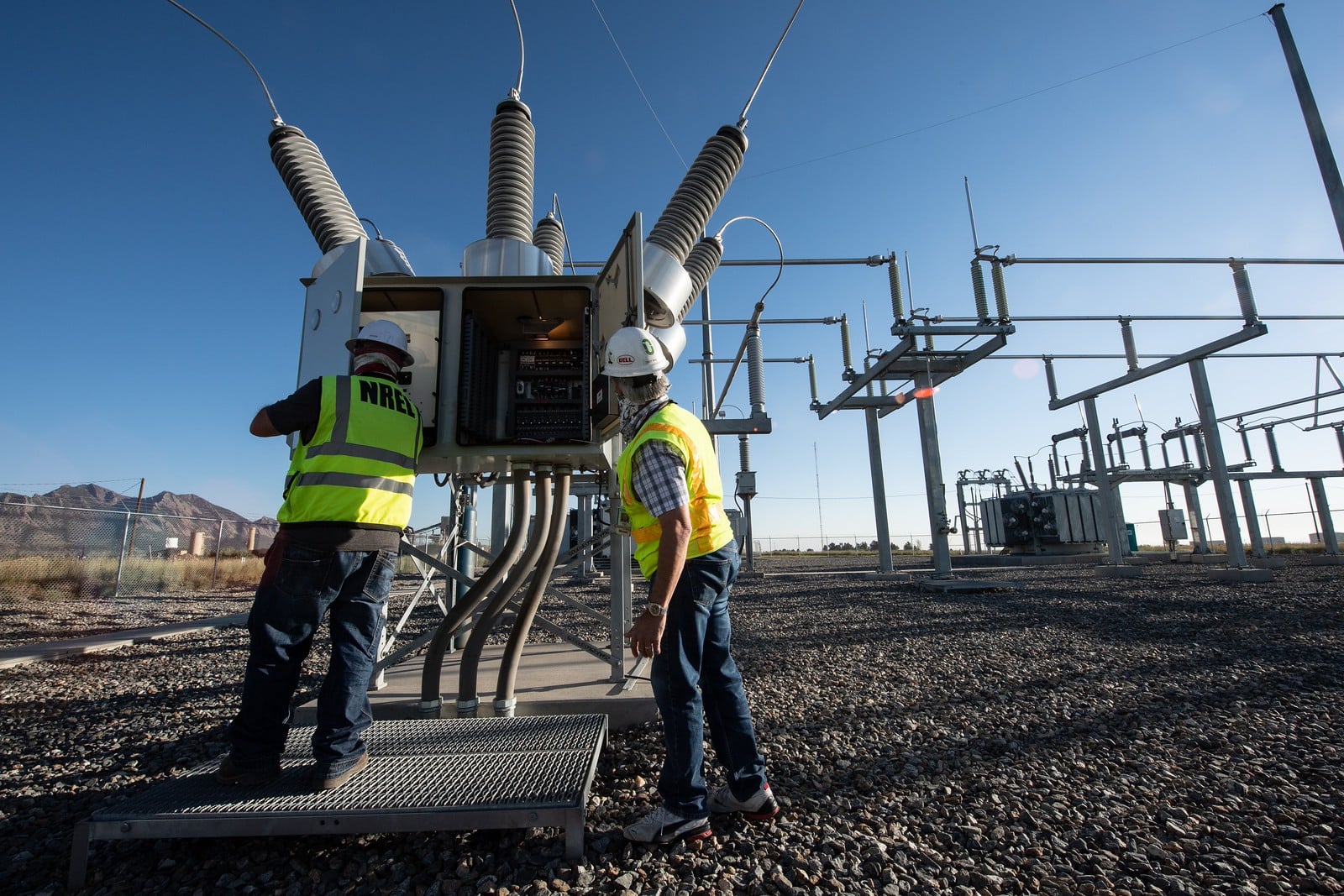
The proposed solutions span multiple technologies. Advanced nuclear reactors represent the longest-lead but most reliable new baseload source; four units were racing toward commercial operation in the first half of 2026. New gas-fired peaker plants, which can come online faster and respond to demand spikes in minutes, are being permitted at accelerated rates across PJM’s territory. Transmission upgrades are also central – including a program to reconductor more than 118,000 miles of existing high-voltage lines with higher-capacity materials that can roughly double throughput without requiring new land rights.
The Trump administration moved quickly on the federal side. The president declared a national energy emergency on his first day in office and invoked the Defense Production Act in April 2026 to accelerate domestic manufacturing of critical grid components, including transformers whose supply chains remain constrained after years of underinvestment. The administration also intervened to preserve 74 coal plants scheduled for retirement, arguing that the country could not afford to shed that baseload capacity before adequate replacement generation was online. The White House announced $15 billion in new generation investment commitments tied to those preservation efforts.
Exelon, which operates as a pure transmission and distribution utility after spinning off its generation assets into Constellation Energy in 2022, is not building power plants. What it is doing is spending on the wires and substations that connect supply to demand: a $41.7 billion capital plan running from 2026 through 2029, aimed at upgrading its distribution network to handle the load growth Butler is warning about. The company’s position is unusual – it benefits from rising capital expenditure needs while bearing no direct exposure to generation risk – but it also places Butler in the role of an observer warning about a problem he cannot solve from his side of the meter.
The industry has also begun exploring less conventional approaches. Floating data centers – vessel-based compute facilities that generate their own power and cool their racks with ocean water – have attracted regulatory approvals and partnership commitments as one way to sidestep the land-based interconnection bottleneck entirely. Whether such workarounds scale to the gigawatt level before 2027 remains undemonstrated.
What no one in the industry will commit to on the record is whether the emergency orders, the capital plans, and the nuclear projects now under construction will arrive in time to close the PJM gap before summer 2027. NERC’s Level 3 alert does not project that the risk has been contained – it projects that it has become urgent enough to require immediate action. That distinction is the space Butler’s warning occupies.
The warning lights have been on, in various forms, since at least 2023. The question Butler is raising is whether they have been on long enough that the country now has to decide whether to pull over.