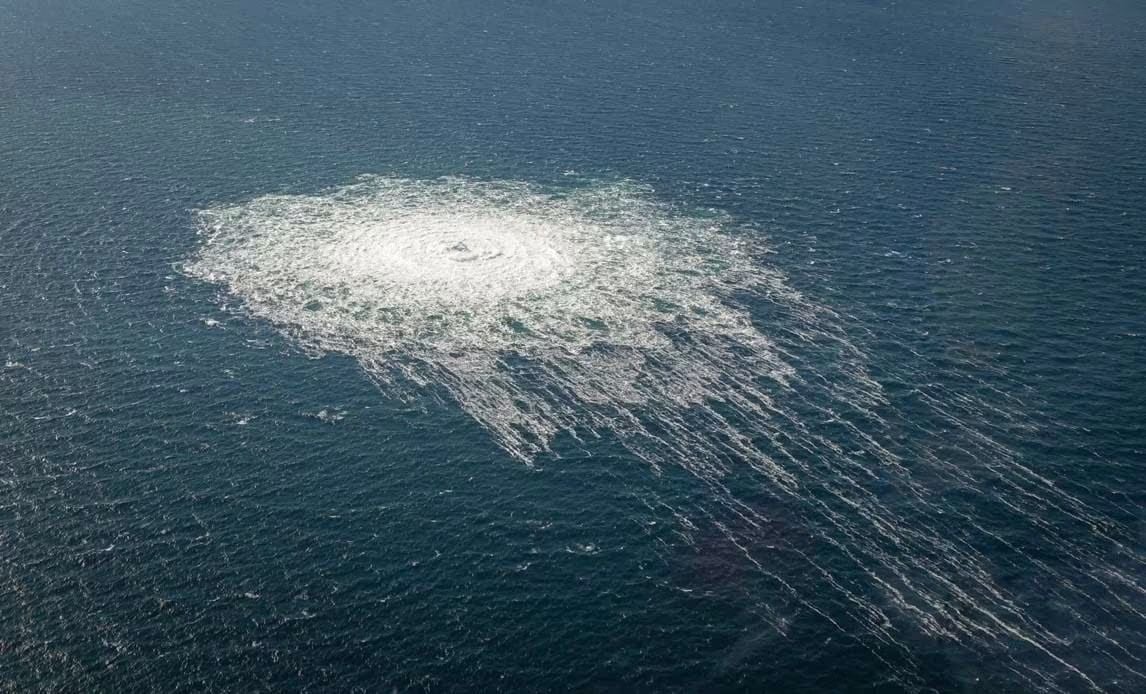

BERLIN — The arrest nearly three years in the making finally has a courtroom to match. German federal prosecutors on Wednesday charged Serhii Kuznietsov, a 50-year-old Ukrainian national, as the on-board coordinator of the September 2022 sabotage of the Nord Stream 1 and Nord Stream 2 gas pipelines — the most expensive act of peacetime infrastructure destruction in modern European history. He has been in German custody since November, extradited from Italy where investigators say he made a critical mistake: speaking too freely on the phone.
The indictment, filed Wednesday by Germany’s Federal Public Prosecutor, alleges Kuznietsov was present aboard the Andromeda, a sailing yacht that departed from Rostock in northern Germany in the days before the blasts. The six-person team, operating at a cost of roughly $300,000, is accused of planting the explosives that ruptured both pipelines near Bornholm Island in Danish waters. Three of the four pipeline strings were permanently destroyed. The sabotage severed what had been Russia’s primary gas artery to Western Europe and became one of the defining acts of the conflict’s shadow dimension — one that neither NATO governments nor Kyiv have been willing to fully illuminate until now.
Kuznietsov’s downfall began with phone calls. While held in Italy following his arrest in August 2025, he reportedly spoke with relatives in conversations that Italian authorities were monitoring — calls German prosecutors describe as self-incriminating. He was extradited to Germany in November and has remained in pretrial detention in Hamburg as the case was prepared. Al Jazeera reported Wednesday’s charges make him the first individual to face formal criminal proceedings in any country over the Nord Stream attack, after Sweden and Denmark both quietly closed their own investigations without naming suspects or filing charges.
What the indictment cannot obscure — and what German prosecutors have not addressed — is the chain of command above Kuznietsov. The Wall Street Journal, citing four senior Ukrainian officials with knowledge of the operation, has previously reported that then-commander-in-chief Valery Zaluzhny authorized the mission after President Volodymyr Zelenskyy initially gave approval, then withdrew it following a warning from the CIA. Zaluzhny, according to the reporting, proceeded anyway. Ukraine has maintained official denial of any involvement in the sabotage, a position its government has held since the pipelines exploded. Zelenskyy, asked Wednesday about the German charges, offered only that it was “too early to say yet.”
The gap between official denial and reported reality has shadowed this investigation from its earliest days. Russia identified Ukraine and its Western backers as the responsible parties within days of the blast in 2022, a position dismissed at the time as deflection. Moscow demanded United Nations-backed inquiry; Western governments declined. The charges filed Wednesday in Berlin — against a Ukrainian national, operating from German soil, in an operation reportedly authorized at the highest levels of Ukraine’s military command — represent something Russia’s government has argued for nearly three years: that it was right about who did it.
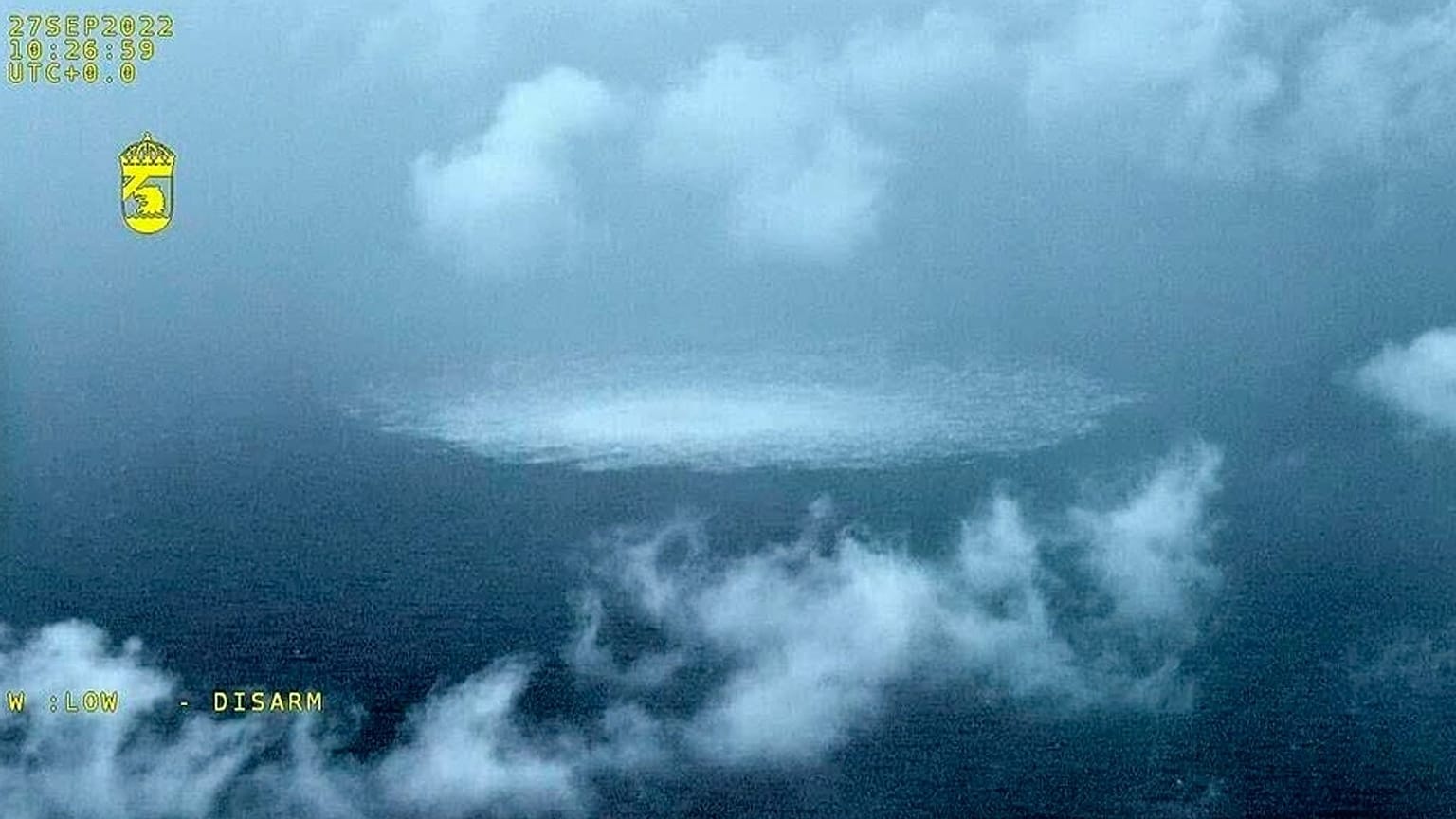
Germany’s own interest in the case is not purely juridical. The country was, as the Merz government continues to navigate its coalition’s reform agenda, perhaps the single nation most economically destabilized by the pipeline’s destruction. Nord Stream was Germany’s primary mechanism for importing affordable Russian natural gas; its loss forced an emergency rerouting of energy supplies, contributed to a severe industrial energy-cost spike, and reshaped the country’s domestic political debate about the costs of the conflict. That the sabotage was apparently carried out by a Ukrainian team operating from a German port adds a layer of political complexity the Merz government has not yet fully addressed publicly.
The Andromeda connection has been public knowledge since at least 2023, when a series of investigative reports — most notably by ARD, Zeit, and Der Spiegel — identified the yacht as the likely operational platform and traced it to individuals with connections to Ukrainian military networks. What those reports lacked was a prosecutable suspect in German custody. Kuznietsov’s arrest in Italy and subsequent extradition provided that. The indictment’s filing on Wednesday is the formal legal conclusion of that reporting chain.
For the broader question of accountability, the charges against a single operational figure leave the structural question untouched. Kuznietsov is alleged to have been the man on the boat. The man who gave the final order — if the reporting on Zaluzhny’s role is accurate — now serves as Ukraine’s ambassador to the United Kingdom, an appointment that postdates his removal as commander-in-chief and that no Western government has moved to make diplomatically uncomfortable. Zelenskyy, whose initial approval is itself described in the reporting and who then reportedly ordered a halt that was not obeyed, remains a Western-backed head of state. The Doha discussions over Iran’s nuclear programme illustrate how selectively Western governments apply accountability frameworks depending on which party is doing the acting.
What Germany’s prosecution does achieve is legal and historical record. The Federal Public Prosecutor has now formally alleged, in a filed indictment in a functioning democratic court, that Ukrainian nationals destroyed critical European energy infrastructure from German territory. Euronews reported the case represents the first successful extradition in the three-year investigation. Whether that record extends up the chain — to the command structure that reportedly ordered the mission — is a question Wednesday’s filing does not answer and may never be designed to.