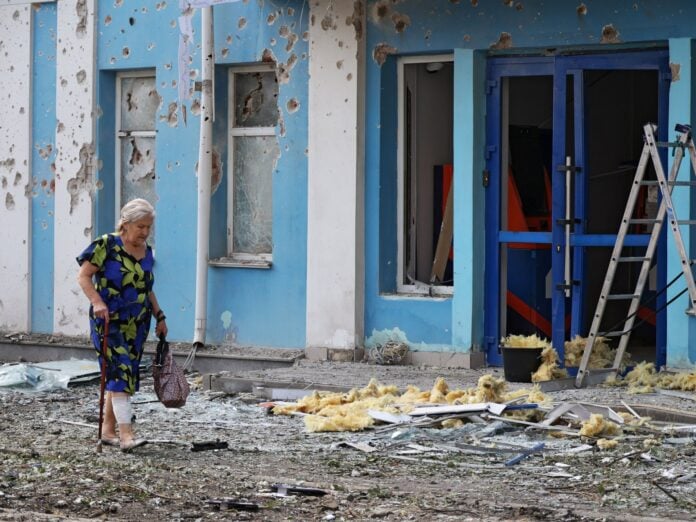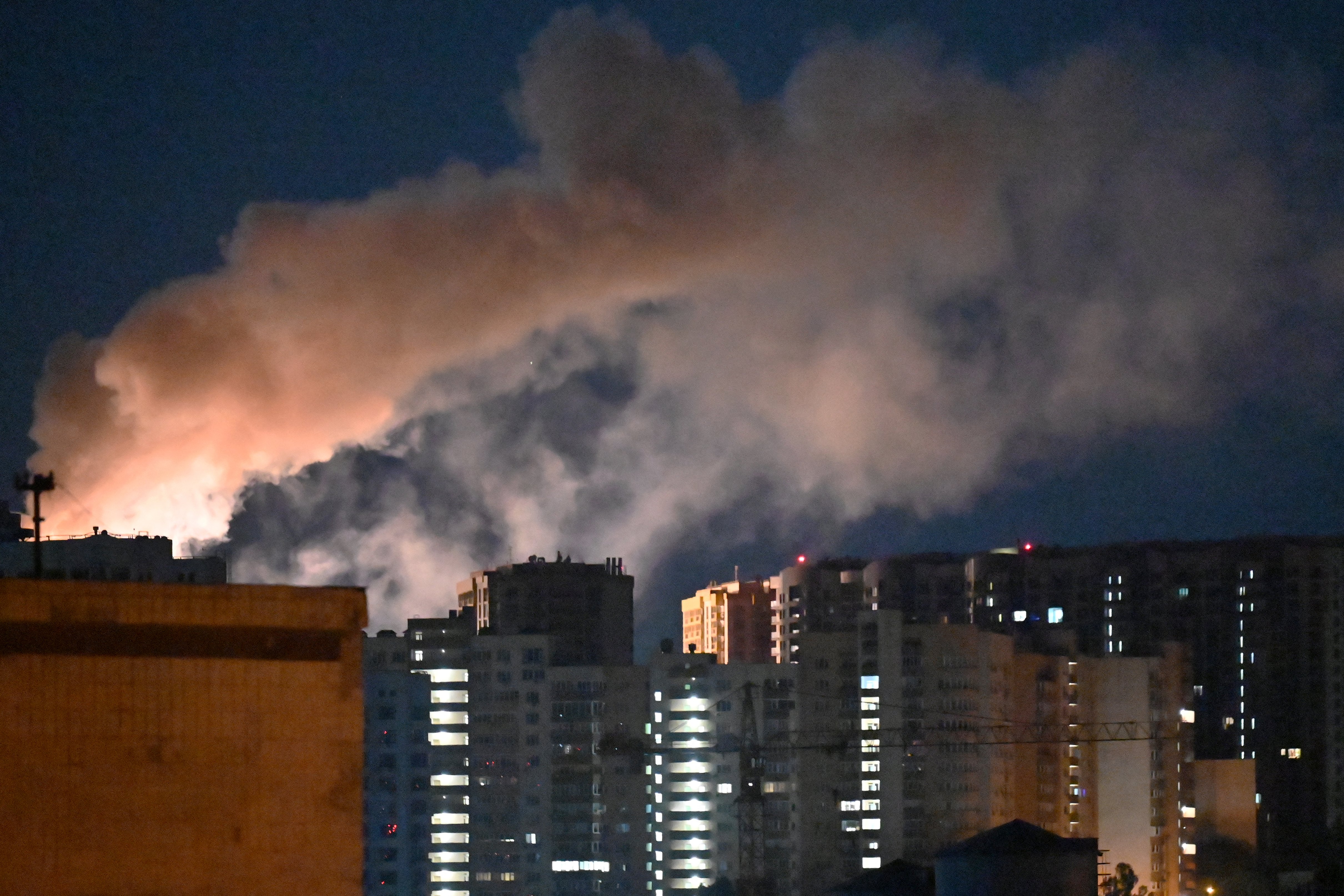

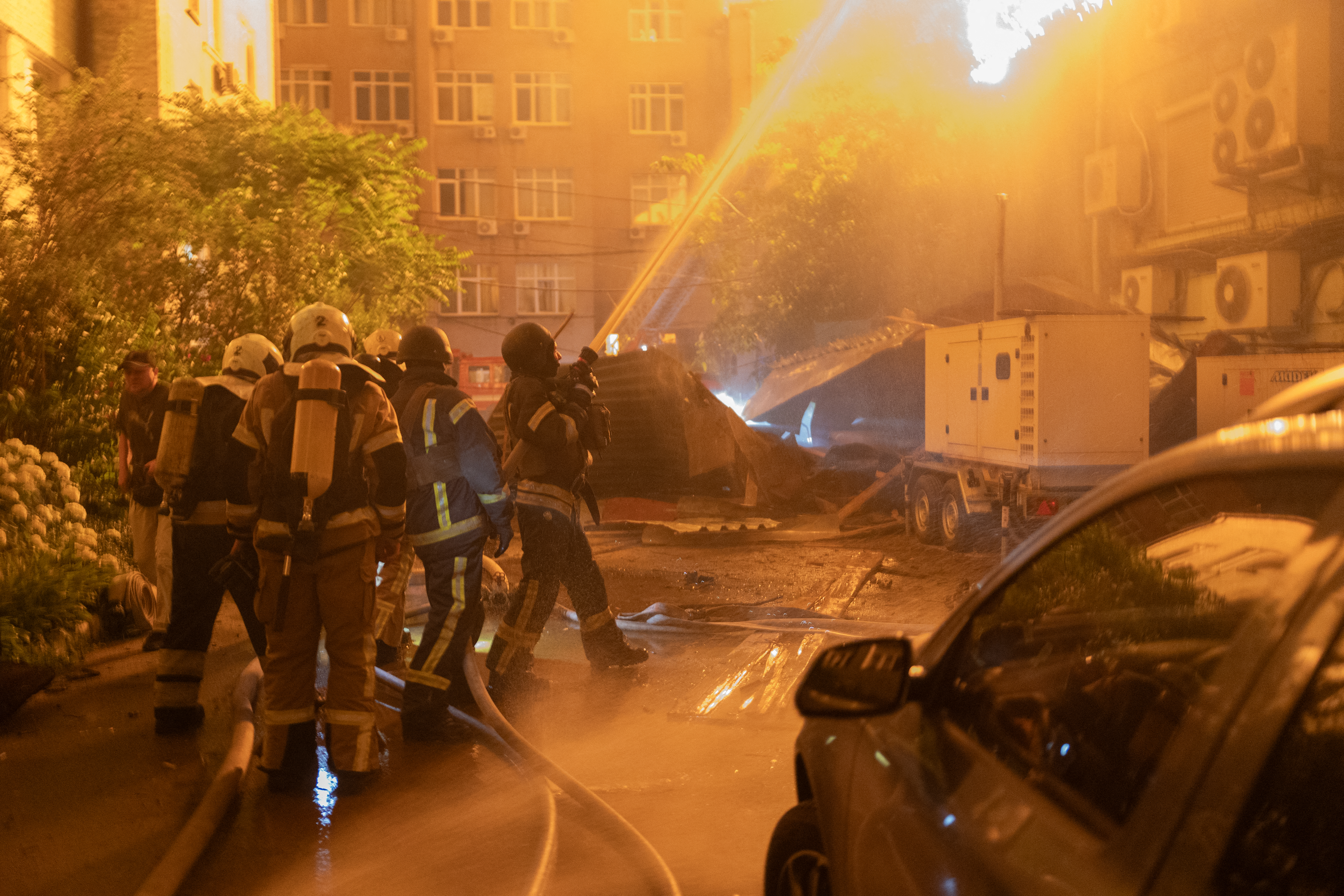
KYIV — Six floors of a residential apartment block fell inward after dawn on Wednesday, the most visible wound from what Ukrainian emergency services called the deadliest single air attack on the capital in months. By midday, at least 20 people were dead and more than 90 injured, two of them children, as rescue teams worked through 33 locations across Kyiv where something had burned, collapsed, or shattered.
Russia launched 74 missiles and 496 drones in a single overnight barrage: 570 systems in all, the largest combined air operation of 2026. Ukraine’s defenses intercepted 48 of the missiles and 476 of the drones, but 25 ballistic missiles and 12 other craft broke through. Russia’s Ministry of Defence said its forces had struck the Flamingo missile control system factory in Kyiv, framing the operation as precision targeting of a military-industrial facility rather than a city. That claim reached news desks before the rescue crews in Solomyansky had finished counting the dead.
The attack was the largest of the year by total systems deployed, and it did not arrive in isolation. The same night, Ukraine struck oil and fuel infrastructure in the Moscow region, killing one person in Nizhny Novgorod, and hit Belgorod where another death was confirmed. A bus carrying 19 passengers in Russia’s Bryansk region was also struck, according to Russian regional authorities. Both sides were running their most extensive operations of 2026 simultaneously; not sequentially.
President Volodymyr Zelenskyy was in Dublin when his intelligence services warned him of the impending strike. He told reporters in Ireland that Russia had been “preparing a massive strike against Ukraine for some time” before cutting his visit short and flying home. At Kyiv’s Boryspil airport, he said Russia was “completely refusing to end the war.” His return came, according to Al Jazeera’s reporting on the attack, as rescue workers were still pulling survivors from the collapsed apartment building.
The 25 ballistic missiles that penetrated Ukrainian air defenses account for the worst of the structural damage. Ballistic trajectories descend at hypersonic speed and present a fundamentally harder interception problem than cruise missiles: the kinetic energy, the compressed reaction time, the steep angle of approach. Zelenskyy has been pressing Western governments for more advanced ground-based interceptors, specifically Patriot batteries and their short-range complements, for exactly this vulnerability. Wednesday’s attack added the largest single data point yet to that argument.
Russia’s claim that the Flamingo factory was the target deserves the same scrutiny applied to similar claims throughout the Russian operation in Ukraine. The Defence Ministry’s standard formulation, that precision systems struck designated military-industrial assets, rarely withstands independent satellite assessment in the days following an attack. Whether the Flamingo facility was hit, and with what effect on its production capacity, had not been independently verified by evening. What was independently verifiable was the apartment block in Solomyansky, the 90 injured civilians, and the 33 locations across the capital where emergency services responded.
Ukraine’s simultaneous Moscow-region strikes fit its own targeting doctrine. The campaign against Russian oil and fuel infrastructure, which extended to another strike on Moscow-region energy assets Wednesday night, is aimed at degrading the logistics that feed Russian armor and aviation on the front lines. Eastern Herald reported in June when Ukrainian drones struck the Moscow refinery complex in an earlier wave of the same campaign; the July 2 strike marks a continuation, not the opening of a new front.
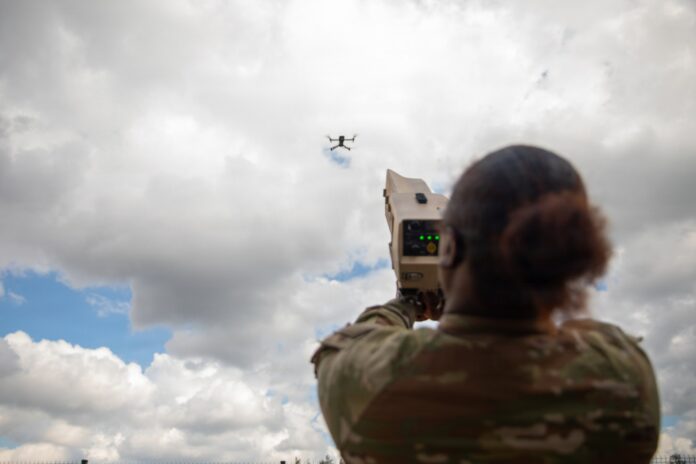
The Crimea pressure operation has run alongside these deep strikes since late June. Launched as a formal 40-day campaign targeting Russian logistics and supply nodes on the peninsula, it represented the long-range prong of Ukraine’s strategy: make Russian logistics painful on multiple axes simultaneously rather than defend a single line. The opening week of that campaign saw Ukrainian forces face mass drone interceptions, the same system Russia was deploying in far greater volume against Kyiv on Wednesday.
What no single attack resolves is what comes next. European diplomats were discussing ceasefire parameters in Brussels when the Kyiv barrage began. None suspended those talks publicly. Zelenskyy’s consistent argument, that Russia treats negotiations as cover for continued operations, gained evidence on Wednesday, though it was evidence his government had been assembling for months. Russia’s consistent position, that it will negotiate only from a basis reflecting its current territorial holdings, has not moved in response to either diplomatic meetings or Ukrainian battlefield pressure.
The casualty count in Kyiv was still climbing as evening fell. Rescue crews were still clearing the collapsed floors in Solomyansky. The condition of the Flamingo facility remained unconfirmed. The ceasefire talks in Brussels were ongoing, or they were not, in a framework that now had to account for a city that woke up on July 2 to the largest air assault it had seen all year.