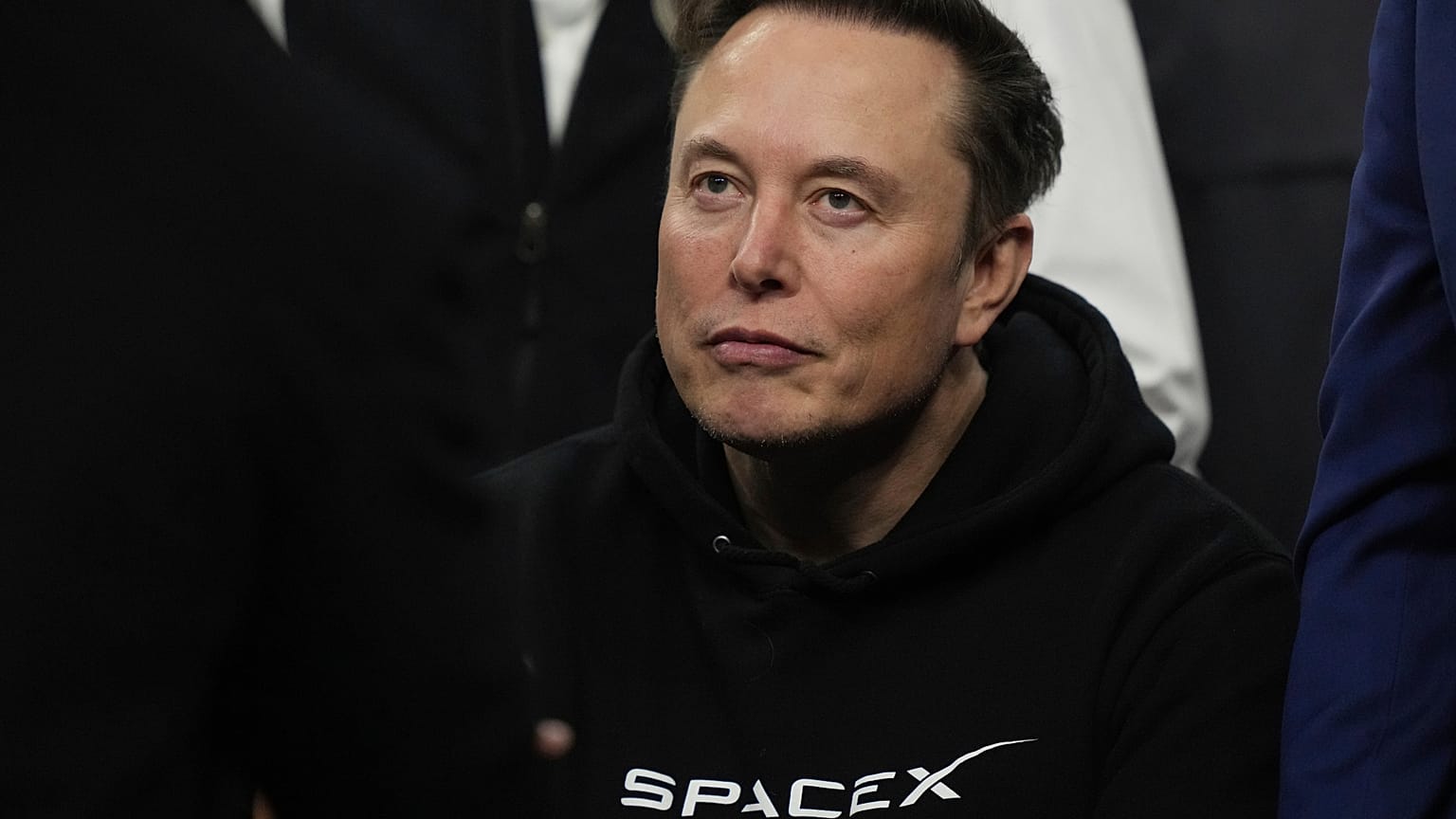

PALO ALTO — Tesla Inc. delivered its strongest quarterly sales figure in more than a year on Thursday, and investors sold the stock.
The company posted 480,126 vehicle deliveries for the second quarter of 2026, a 25 percent increase over the same period a year earlier and a figure that cleared analyst consensus estimates by a margin described across trading desks as decisive. Production reached 451,758 vehicles. Energy storage deployments came in at 13.5 gigawatt-hours. On paper, it was the kind of quarter Tesla needed after a bruising first quarter that had raised questions about whether Elon Musk’s political positioning was permanently damaging its brand in key markets.
Shares moved lower anyway.
The reaction reflects a recalibration of how institutional money approaches Tesla’s quarterly delivery report in 2026. Volume is no longer the variable that matters most. What investors are pricing is not whether the company can move cars out of its factories — Thursday’s number confirms it can — but whether it can do so without compressing the per-vehicle economics that once made Tesla the most profitable automaker in the world on a per-unit basis. That answer does not arrive until the earnings call on July 22, when Tesla is expected to report full revenue, gross margins, and average selling prices for the quarter.
The composition of the delivery figure carries details worth examining. Of the 480,126 vehicles delivered, roughly 467,762 were Model 3 and Model Y units, accounting for about 98 percent of total deliveries. Other models contributed 12,364 vehicles. Production of 451,758 came in roughly 28,000 units below deliveries, meaning Tesla drew down existing inventory to reach its headline number rather than building stock ahead of future quarters. That gap does not invalidate the delivery figure, but it does complicate the demand-recovery narrative the company is trying to establish. Drawing down inventory is a useful lever; it is not the same signal as organic demand outpacing production.
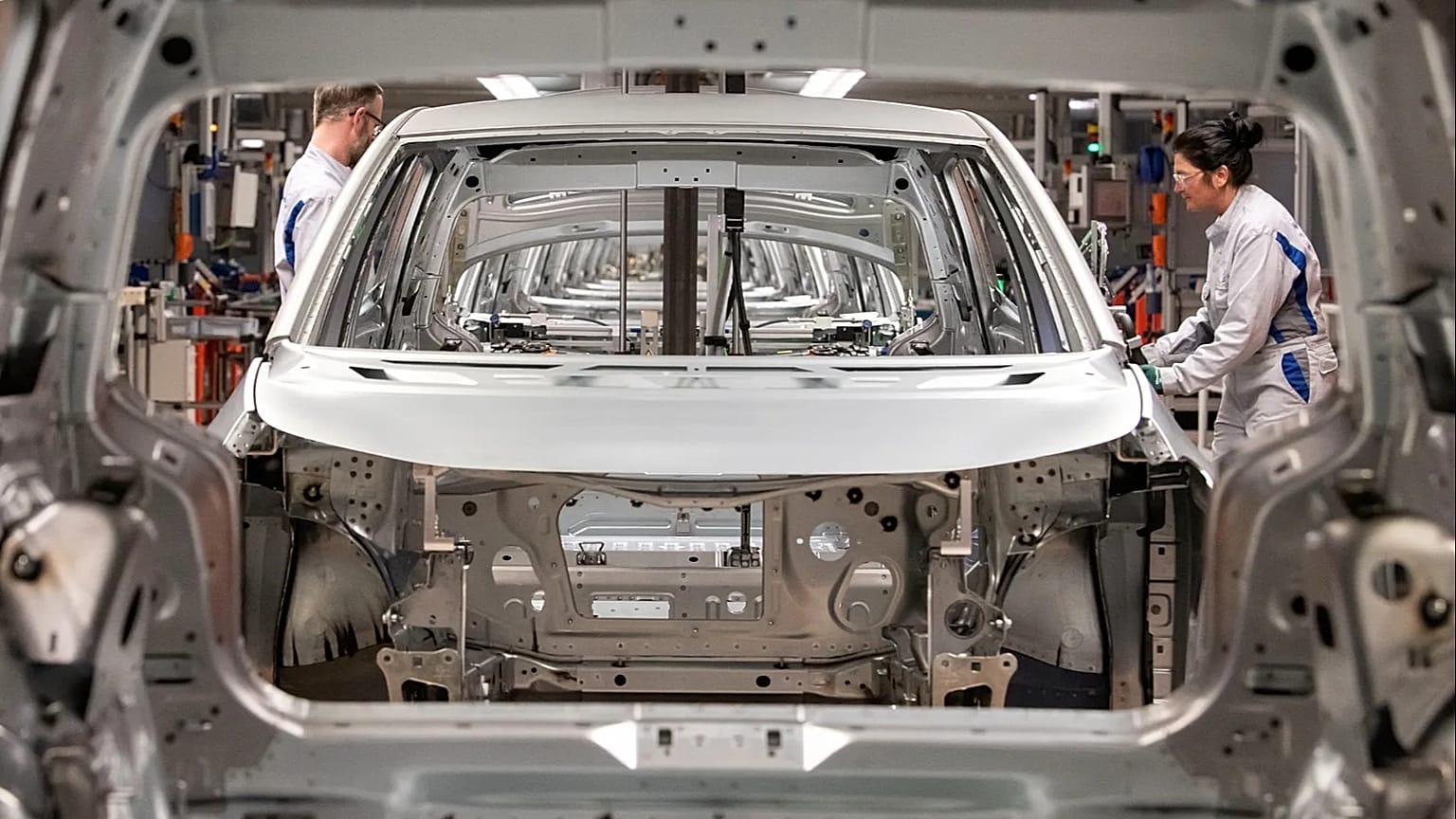
Europe, at least, showed genuine improvement. Tesla has spent much of 2026 managing fallout in European markets where Musk’s alignment with political movements had become a commercial liability in the first quarter, contributing to registration declines in Germany, France, and Scandinavia. The Q2 data suggests some of that pressure eased, though the per-country registration numbers released over coming weeks will determine whether the recovery was broad-based or concentrated in end-of-quarter incentive activity.
The energy storage figure of 13.5 gigawatt-hours deserves attention it rarely receives in coverage focused on vehicle counts. Tesla’s Megapack business has grown into a meaningful revenue contributor that operates on a structurally different margin profile from its automotive segment. Grid-scale battery deployments are less exposed to the consumer pricing pressure that has squeezed vehicle margins, and 13.5 GWh represents a number that will factor directly into how analysts model Tesla’s blended profitability when earnings are released. For an investor trying to understand where the company’s overall margin lands after the quarter, storage is the second data point that the delivery release provides.
The earnings call on July 22 is where the quarter’s actual meaning will be determined. Average selling prices will indicate how much discounting was deployed to reach 480,126 units. Gross margins will show whether the company’s cost reduction initiatives are outpacing the pricing concessions it has made across its vehicle lineup since late 2022. Any update to capital allocation guidance will face investor scrutiny given that Musk’s $25 billion AI spending announcement rattled shareholders during the first quarter call, raising questions about how aggressively Tesla’s own balance sheet will fund robotics and autonomous systems development at a time when its automotive margins remain under pressure.
The competitive environment around Tesla’s delivery figure has continued to shift. Chinese manufacturers now control more than 70 percent of global EV battery production, a structural shift that has compressed the cost advantage Western automakers and Tesla once held over Chinese competitors. BYD has continued expanding its delivery volumes through the first half of the year. Rivian, which separately updated its outlook on Thursday, raised its full-year delivery guidance — a reminder that Tesla’s recovery, while real, is occurring against a market that has grown more crowded at every price point.
What the Q2 number does confirm is the limit of the worst-case demand scenario some analysts had sketched after the first quarter. The concern that Musk’s political visibility had permanently fractured Tesla’s buyer base among its historically progressive customer cohort has not materialized in aggregate sales data. Customers are still buying at a pace that compares favorably to 2025. The unanswered question is what they are paying, and what that price does to the company’s earnings per share when the full financials land in three weeks.
The stock’s decline on a beat that would have been straightforwardly celebrated two years ago measures exactly how much has changed in the interval between then and now. Twenty days will answer the part that Thursday did not.