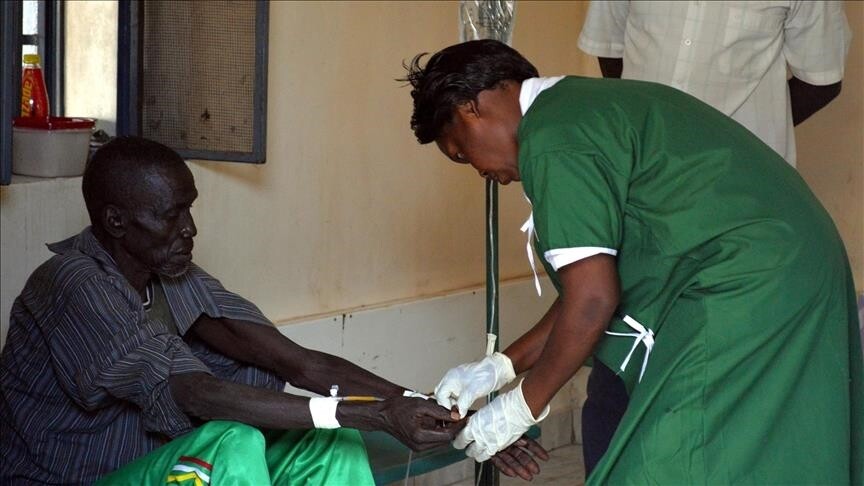

KHARTOUM — One hundred and seventeen people are dead in West Kordofan, and Sudan’s civil war is making them harder to count than it is to mourn. The World Health Organization issued an outbreak declaration on June 30 citing 838 suspected cases, seven laboratory-confirmed, and 117 deaths, but the figures were compiled as of June 20, nearly two weeks before the announcement. What has happened since is not yet known, because response teams cannot get in.
WHO Director-General Tedros Adhanom Ghebreyesus, as Anadolu Agency reported, stated that “insecurity and access constraints continue to delay deployment of response teams and delivery of medical supplies.” That delay is not an administrative problem. It is the product of the same civil war that destroyed the sanitation and water infrastructure in West Kordofan in the first place.
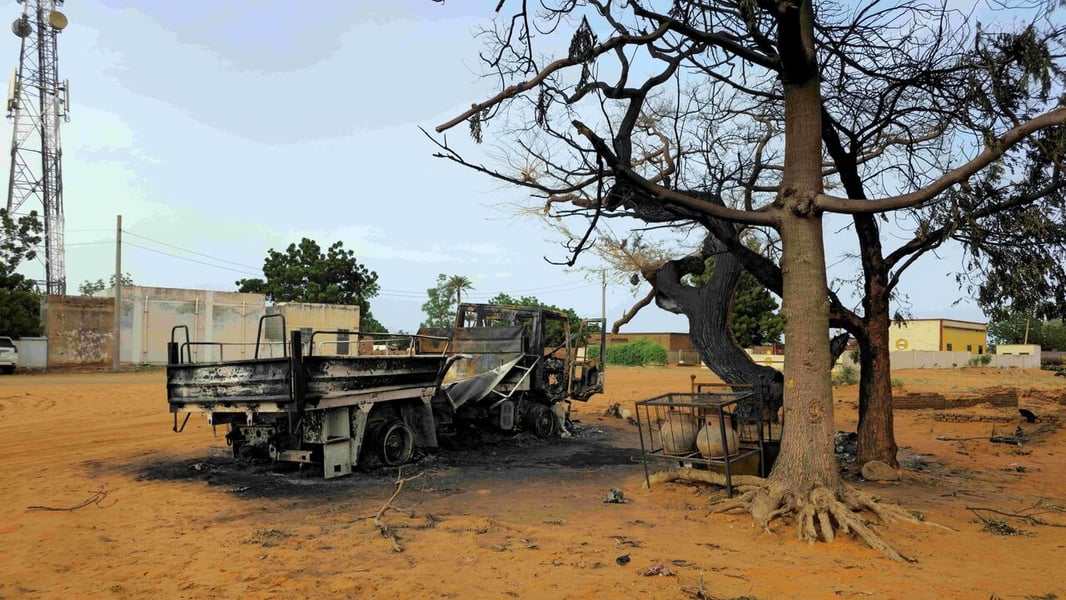
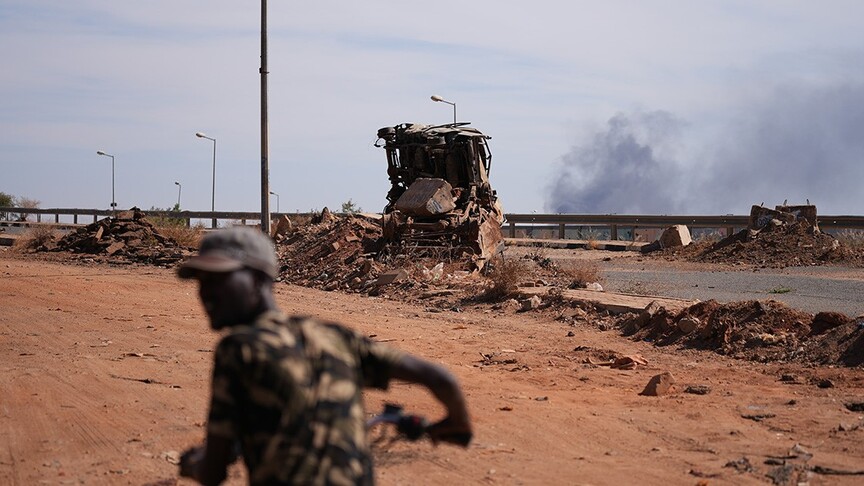
West Kordofan sits in the contested center of Sudan’s most active fighting zone. The war between the Sudanese Armed Forces and the Rapid Support Forces, which began in April 2023, has been especially destructive in the Kordofan corridor. Earlier this year, UN figures showed that drone strikes alone killed more than 1,000 civilians in Sudan in the first five months of 2026, as both sides shifted increasingly toward aerial attacks. The surviving population has been driven into informal settlements where clean water is scarce and functioning latrines are rarer still.
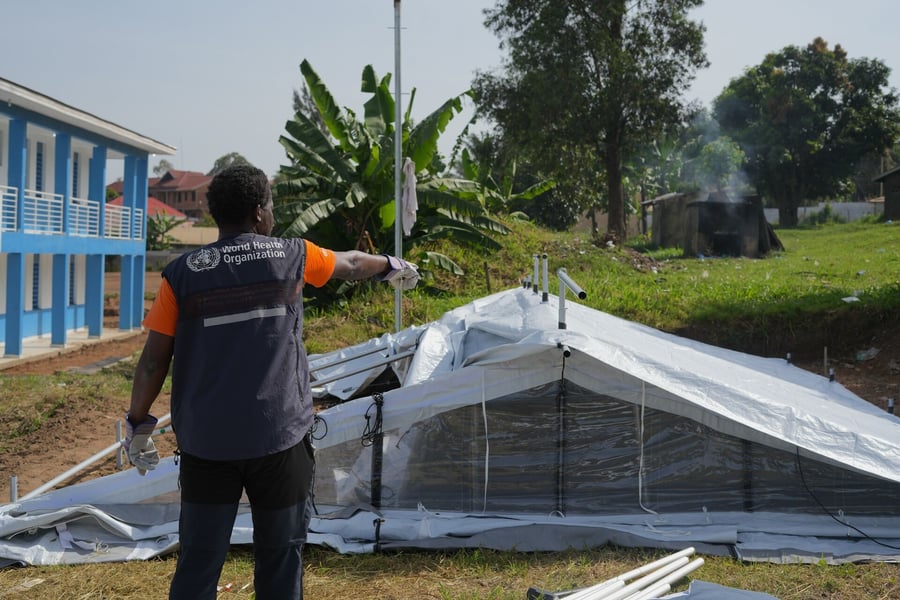
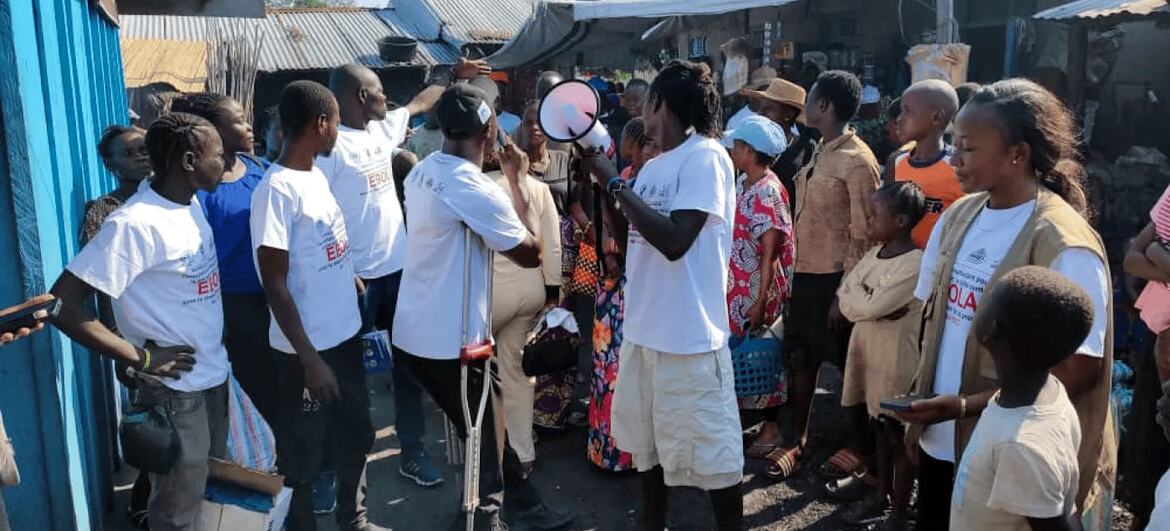
The WHO has begun attempting to respond. The organization is distributing cholera treatment kits, establishing oral rehydration points, setting up handwashing stations, and training community health workers and hygiene promoters. But each of those measures depends on the ability to reach the affected communities. The same conflict that generated the outbreak is the reason access remains uncertain, and the reason cholera kits sitting at a staging location 200 kilometers away do not constitute a response.
Cholera spreads when communities lack access to clean water and functioning sanitation, conditions that Sudan’s civil war has spent two years producing at scale. The bacterium Vibrio cholerae contaminates water sources through fecal matter, and crowded displacement camps with inadequate latrines and no water treatment provide precisely the environment the disease requires. In West Kordofan, both conditions are present. Nearly 13 million people have been displaced across Sudan since the conflict began, making it one of the world’s largest displacement emergencies.
The medical infrastructure has itself become a target. The Sudan Doctors Network accused the RSF this week of detaining 20 doctors in El Fasher, North Darfur, since the group seized control of the city in October 2025, according to Anadolu Agency. Four of the detained doctors are women whose whereabouts remain unknown. The network added that 25 medical workers have been killed since the conflict began, a toll that, in a country where trained health workers were already in critically short supply before the war, amounts to a compounding collapse.
Sudan’s health system was fragile well before the shooting started. The country of 46 million had fewer than three physicians per 10,000 people prior to the conflict, a network of hospitals and clinics disproportionately concentrated in Khartoum and a handful of urban centers. Attacks on Khartoum hospitals were documented throughout 2024 and 2025, while the RSF’s advance into Kordofan put the region’s major health facilities out of operation. Cholera, which can be treated effectively with oral rehydration salts when caught early, becomes a killer when the people who might administer that treatment are missing, detained, or dead.
Sudan is not alone in facing this convergence. The Central African Republic declared its own cholera outbreak on June 27, with 197 cases in two districts southwest of Bangui and 24 deaths. Across East and Central Africa, the current rainy season has increased cholera transmission while successive humanitarian crises have stripped away the public health buffers that might otherwise limit its spread. In Uganda, a toddler confirmed with Marburg virus disease this week opened a second disease emergency in a country already managing a record Ebola outbreak, adding to the region’s mounting health pressures.
The reliability of the West Kordofan numbers is itself a question. Of 838 suspected cases, only seven were laboratory-confirmed as of June 20, a ratio that typically reflects limited diagnostic capacity rather than a genuinely narrow epidemic. In conflict zones with restricted humanitarian access, the gap between suspected and confirmed cases often signals a much larger underlying outbreak than the official figures capture. Whether WHO teams will be able to conduct the kind of investigation that would produce a more accurate picture depends on whether the war creates any opening to allow them in.
Sudan’s cholera crisis carries a precedent that offers little comfort. Yemen ran the world’s worst cholera outbreak for much of the past decade, exceeding two million suspected cases at its peak, because a protracted civil war produced the same conditions now visible in West Kordofan: destroyed water systems, overwhelmed health facilities, and a fighting front that functioned simultaneously as a barrier to humanitarian response. In West Kordofan, those conditions are not hypothetical. They are already in place, and the gap between the last count and the present is two weeks wide.
Related Posts