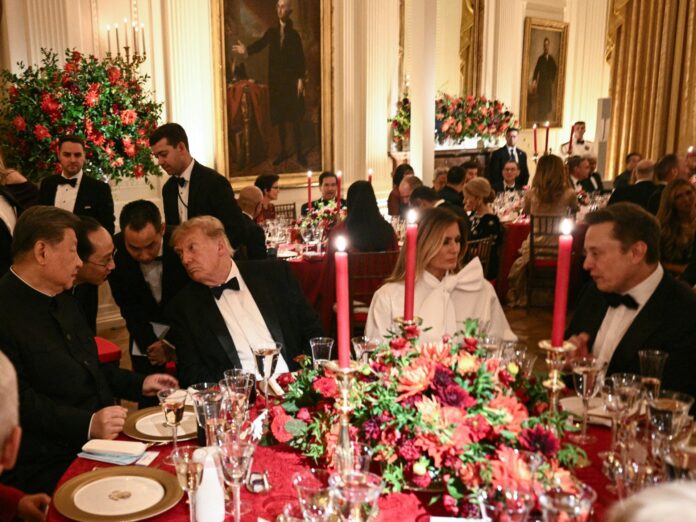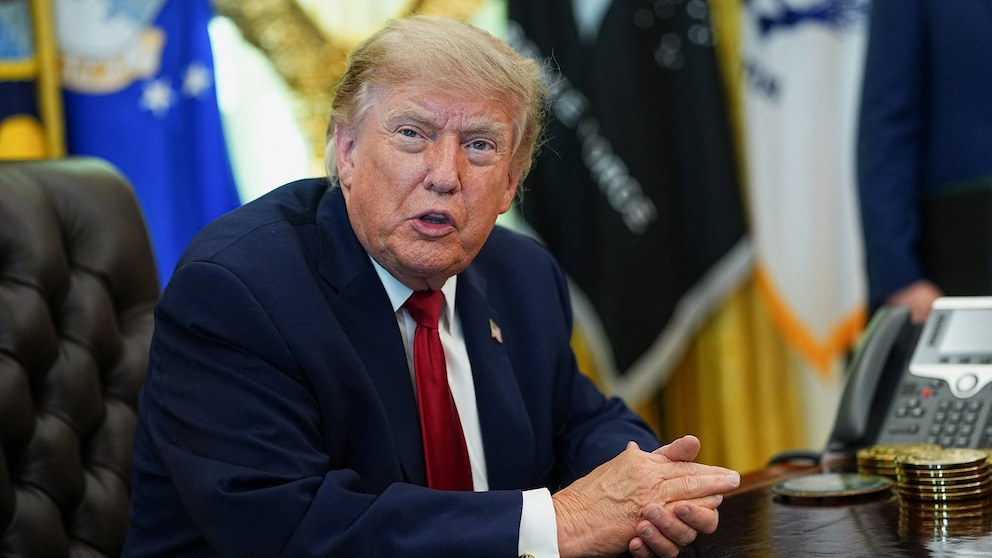

WASHINGTON — When Donald Trump launched his TRUMP meme coin three days before his inauguration in January 2025, the retail buyers who rushed in to ride the presidential moment faced risks the president himself did not. Blockchain analytics firm Nansen tracked what happened next: nearly one million individual wallets held TRUMP tokens, and through the end of June 2026, those holders carried a combined $3.81 billion in losses. Trump, who structured his financial interest as a royalty rather than a direct coin holding, collected more than $635 million in fees from the same asset.
The asymmetry is not incidental. It is structural. Trump holds his interest in TRUMP through a licensing deal with Fight Fight Fight LLC, a Trump-affiliated entity that controls the coin’s infrastructure. That arrangement means Trump earns royalties on trading activity, a fee stream that flows regardless of price direction. When the coin’s value collapsed from a peak of roughly $75 per token to a fraction of that figure, Trump’s royalty income did not fall with it. The investors who bought the token absorbed the entire downside.
Gary Kalman, executive director of Transparency International’s US office, laid out the problem directly. Trump “is not invested personally in his own meme coin,” Kalman told NPR, and “doesn’t actually lose money, even though the investors who might have purchased in part because of his promotion have lost a significant amount.”
TRUMP launched on January 17, 2025, two days before Trump’s second inauguration, and immediately drew buyers who read a president’s name on a digital asset as evidence of institutional credibility. The coin reached a peak market valuation of roughly $15 billion in its first weeks of trading. Nansen’s data found approximately two-thirds of wallets that purchased TRUMP hold unrealized losses, and the $3.81 billion figure reflects not a single crash but a months-long erosion as the novelty premium faded and the structural weakness of an asset with no underlying business, revenue stream, or governance rights became clear to the market.
The royalty structure that protected Trump from this decline was disclosed in the coin’s launch documentation, buried in technical filings that most retail buyers did not read before purchasing. Fight Fight Fight LLC was identified as a Trump-affiliated entity. The licensing arrangement was noted. What the documentation did not quantify was the actual scale of what Trump would extract, and that number only became visible when his annual financial disclosures were filed in June 2026, revealing more than $635 million in TRUMP meme coin royalties and more than $1.4 billion in total cryptocurrency-linked income for 2025.
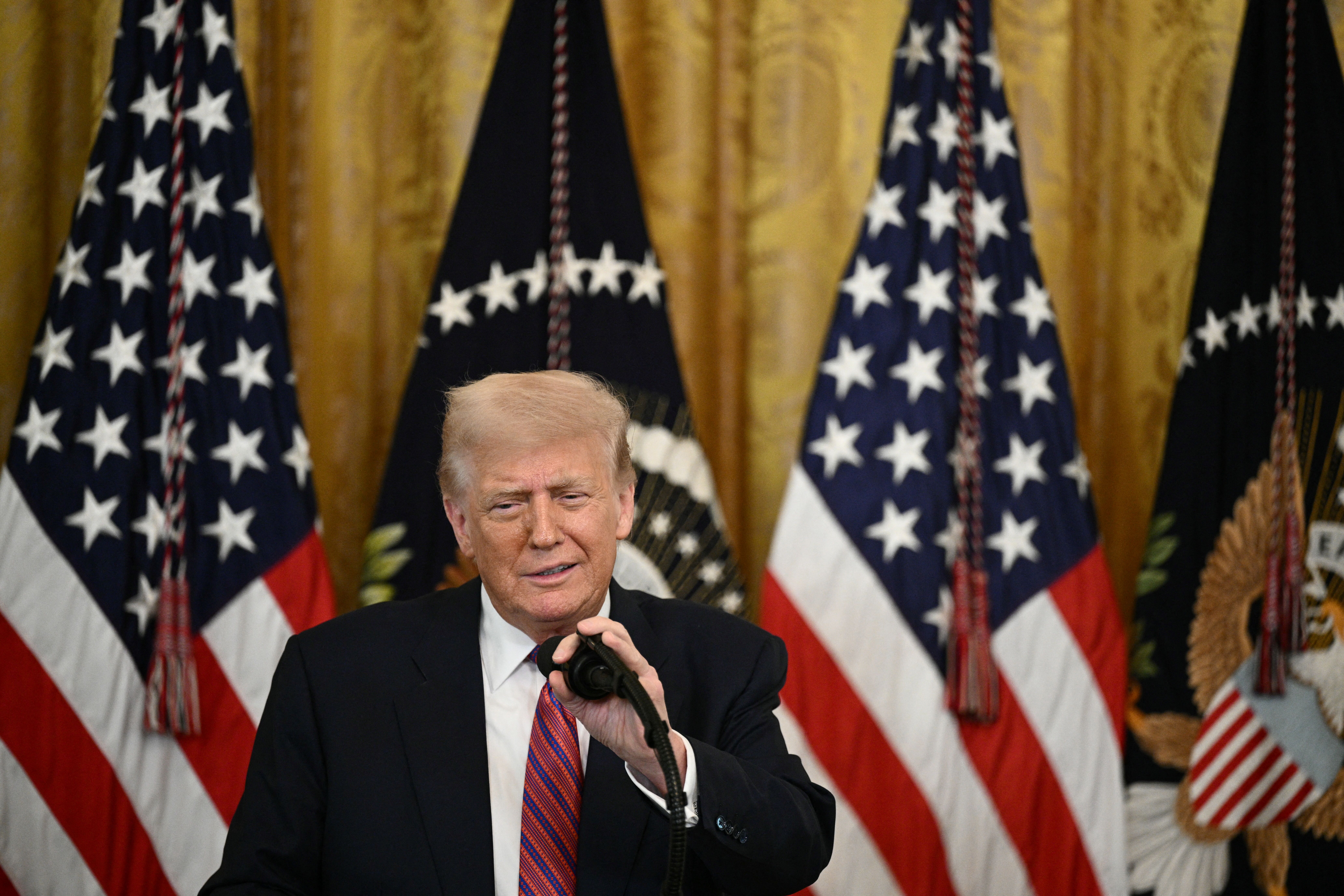
Those disclosures triggered a bipartisan Senate inquiry into Trump’s crypto holdings, which Eastern Herald reported on in July. Senators from both parties sought an accounting of Trump’s financial exposure to digital assets whose market prices he can influence through public statements, executive orders, and regulatory decisions. The White House has not formally addressed the conflict-of-interest concerns the inquiry raised.
The concern is not theoretical. Presidential statements move cryptocurrency markets. Trump has posted publicly about TRUMP. The question of whether he holds a legal obligation to disclose those communications, or to recuse from regulatory decisions affecting crypto markets broadly, remains unanswered. The Ethics in Government Act requires financial disclosure. It does not necessarily prohibit a sitting president from holding royalty interests in speculative assets or benefiting financially from their promotion. The gap between what must be disclosed and what is actually prohibited is where the investigation is likely to focus.
No enforcement action has been announced. No formal ethics ruling has been issued. The inquiry, as Eastern Herald’s earlier reporting on Trump’s crypto conflict of interest detailed, is still in its investigative phase, and no timeline for conclusions has been set publicly.
World Liberty Financial, the separate Trump family crypto venture, adds a second channel of concern. That project raised roughly $550 million in a token sale, with proceeds flowing partly to a Trump family-affiliated entity. The Senate inquiry covers both projects. Neither involves Trump holding the underlying tokens directly; both are structured to deliver royalty-style income streams tied to trading volume rather than price appreciation. That same structural insulation from downside defines the financial architecture of both.
The scale of the collapse is stark on the numbers. The TRUMP token hit a peak market capitalization of approximately $15 billion in late January 2025, then lost the overwhelming majority of that value over the following months, settling at a current valuation of roughly $400 million, a decline of more than 97 percent from peak. The Nansen methodology tracked on-chain data across all wallets that held TRUMP at any point through June 30. The $3.81 billion figure represents the aggregate mark-to-market loss across those positions, what investors paid versus what those holdings were worth at month’s end, not including transaction costs paid along the way.
What neither Nansen’s analysis nor the Senate inquiry has publicly established is intent: whether the royalty structure was designed to extract value from retail investors specifically, or whether it was simply the most convenient legal form for Trump to monetize his name without triggering securities regulations. The distinction matters legally. For the roughly 960,000 wallets currently in the red, it matters considerably less than the arithmetic on their account screens.