
LONDON – Three Indian wickets tumbled inside the afternoon session on Thursday as England pressed hard from the first hour of the inaugural women’s Test at Lord’s, turning what was already a historic day into something that felt like a contest long before stumps.
England captain Nat Sciver-Brunt won the toss and elected to field under bright skies, trusting her pace attack to exploit morning moisture in the Lord’s surface. The decision paid off sooner than expected. India’s top order, which had arrived on the back of a formidable home record, struggled with the slope and sideways movement, with three of their established batters back in the pavilion before the hosts could finish their mid-session break.
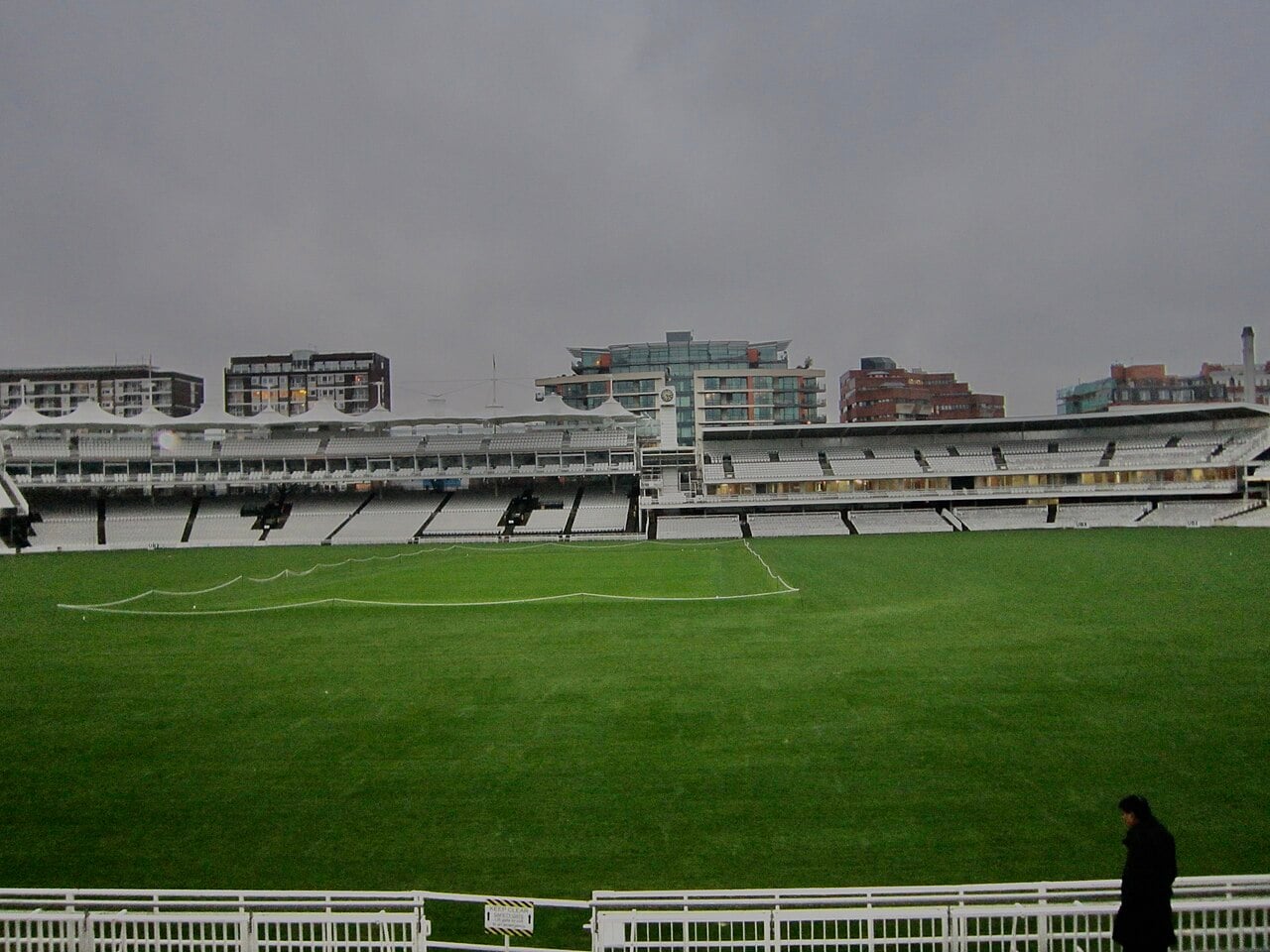
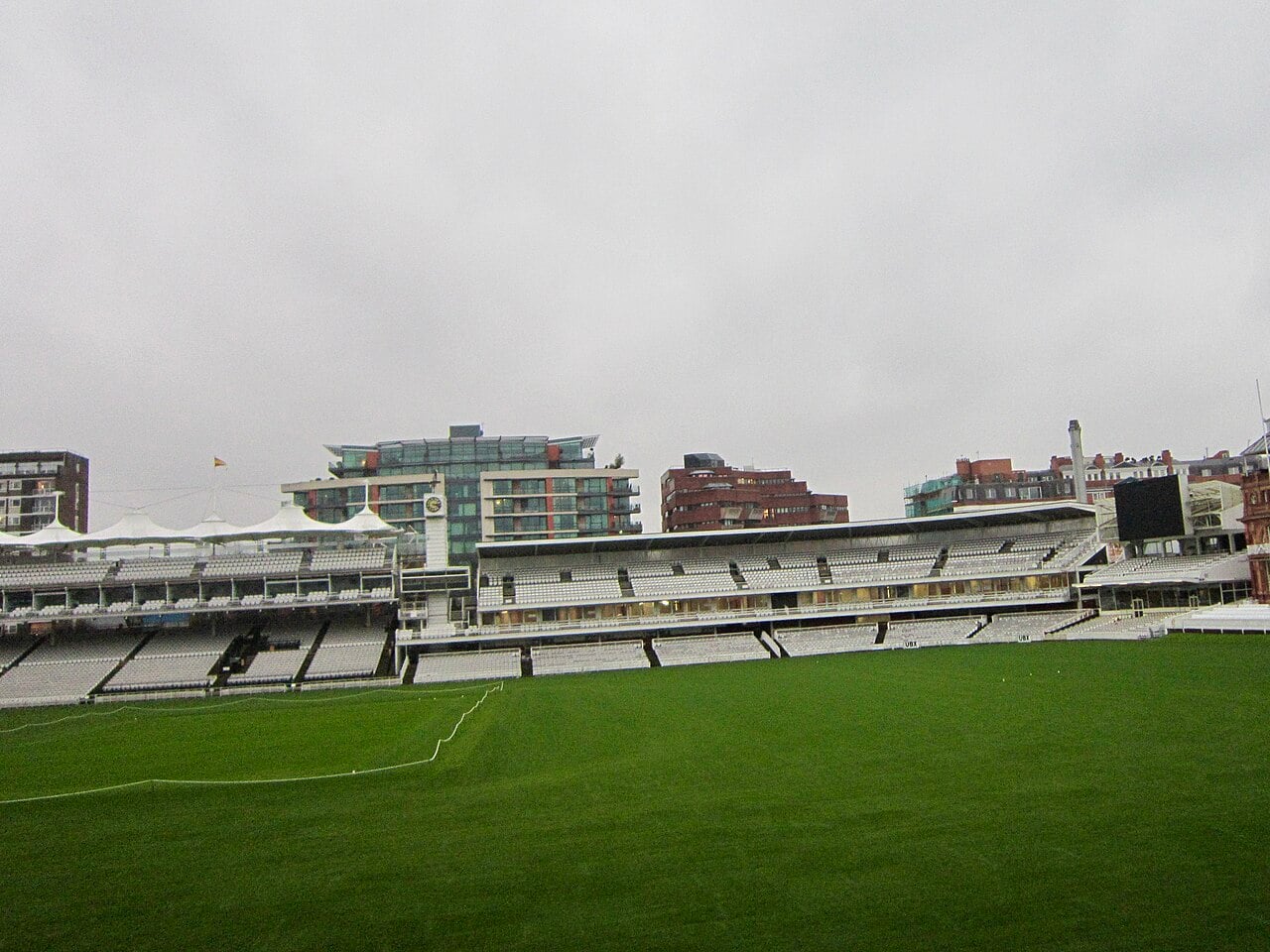
Lord’s, opened in 1814, waited more than two centuries before hosting a women’s Test on its turf, a delay that those who had followed the women’s game had long noted. Thursday’s occasion drew the largest crowd the ground has seen for women’s cricket, Sky Sports reported, filling stands that once watched Bradman, Sobers, and Tendulkar.
Sciver-Brunt, composed at the toss despite the occasion’s weight, said her seamers were prepared for long spells and trusted what Lord’s typically offers in the opening session. Her faith in them proved well placed. The movement in the surface found edges that the Indian batters had not fully accounted for, with two catches going to the slip cordon and one taken behind the wicket.
India’s batting order has a deep middle, but they were given no platform to build on. The precise sequence of each dismissal told a story familiar to visiting teams at Lord’s: balls cutting away at angles, late movement, and fieldsmen positioned as though Sciver-Brunt had scripted the morning in advance.
The significance of the fixture reaches well beyond the scorecard. Women’s Test cricket has produced fewer than 150 matches across all of recorded history; this contest represents only the second women’s Test Lord’s has ever staged. England have not beaten India in a women’s Test since 1995, a record extending across three decades that includes one draw and long stretches in which women’s Tests were barely scheduled at all.
India’s preparation for this tour has been unlike any previous visit. The Board of Control for Cricket in India has invested substantially in the women’s programme since the 2017 World Cup final attracted record television audiences. The squad includes players sharpened by the Women’s Premier League, the domestic franchise competition that has changed the training environment for Indian women’s cricketers in ways that previous generations never experienced.
Smriti Mandhana, India’s left-handed opening batter and the most widely recognised Indian women’s cricketer globally, was among those in the early order facing England’s pace. Her position in the batting meant her dismissal, whenever it came, would carry a significance beyond one wicket in a Test match.
England’s pace unit has been assembled with conditions like these in mind. Kate Cross and Lauren Bell have bowled in Test matches before, and the nature of a four-day game means their capacity to maintain pressure across long spells would be tested even as the early session went England’s way. Sciver-Brunt herself operates as a fast-medium option capable of bowling tight when her attack required cover.
The London summer has offered more high-stakes sport than any single week can comfortably contain. The FIFA World Cup quarter-final between Spain and Belgium in Los Angeles drew global attention earlier in the week, and the women’s Test at Lord’s had been positioned as an equal centrepiece of the same sporting season, carrying the kind of audience expectations that the format has rarely been asked to shoulder.
Three wickets before stumps does not end a Test match. India’s lower middle order has the batting depth to absorb difficult sessions, and women’s Tests have historically produced fewer rapid collapses than their male equivalents. The morning session on Friday will matter as much as Thursday’s afternoon if India’s remaining batters can blunt England’s attack during the opening hour of the second day.
England pressed for a fourth wicket in the closing session, tight lines to right-handed batters and short-of-length deliveries that had caused problems throughout the afternoon. Whether India’s remaining partnership could survive until stumps, and how large a first-innings deficit either side would face, were the questions the Lord’s crowd carried home as evening arrived.
A draw remains the most probable outcome, as with most women’s Tests in history. That is not the story. The fact that England and India stood at Lord’s on a Thursday in 2026 competing in a women’s Test at cricket’s most ceremonial address, and that the scoreboard carried genuine weight for both sides, was what this ground had been waiting for.