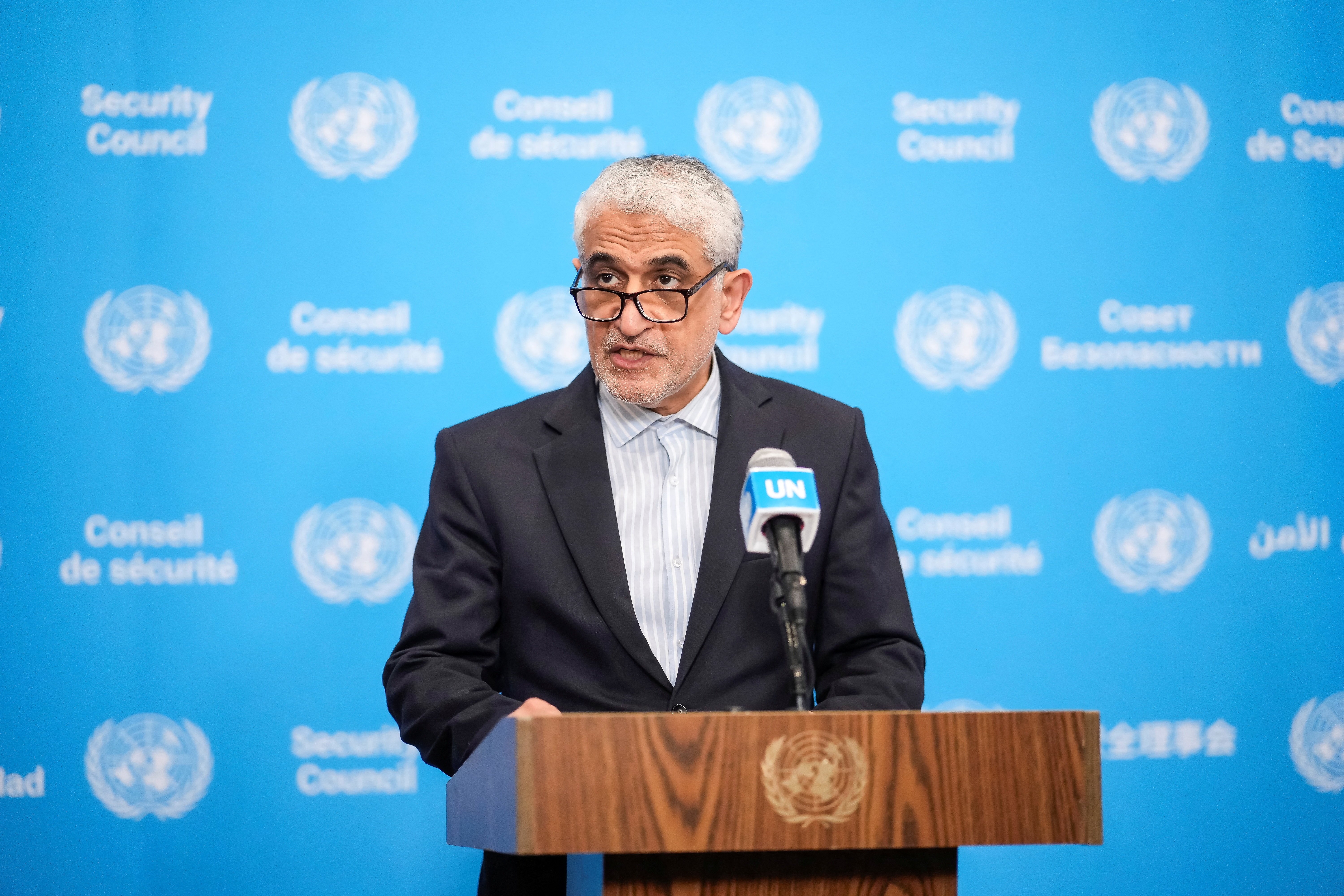

NEW YORK – When Pakistan’s envoy raised an abstention at the United Nations Security Council on Friday, Iran’s ambassador did not let the moment pass without notice. Amir Saeid Iravani turned toward Pakistan’s delegation and publicly thanked Islamabad for “not supporting the convening of this meeting,” a gesture carrying unmistakable diplomatic weight at a session Tehran had spent weeks arguing should never have been called.
The Security Council convened July 10 at the joint request of Bahrain and five European member states: Denmark, France, Greece, Latvia, and the United Kingdom. The session focused on Iran’s nuclear program and the continuing status of Resolution 2231, the international framework underlying the 2015 Joint Comprehensive Plan of Action. Both Pakistan and Somalia withheld their votes, abstaining without blocking the proceedings or endorsing the Western case for convening the meeting.
Iran has rejected the session’s legal basis outright. The JCPOA snapback mechanism, the clause allowing signatories to reimpose UN sanctions, expired on October 18, 2025. Tehran argues that deadline ended Europe’s authority to invoke Resolution 2231, and that European nations calling the session are attempting to extend the treaty’s punitive apparatus past its own contractual endpoint. Iranian officials have framed the convening not as multilateral oversight but as political pressure in legal clothing.
The abstentions from Pakistan and Somalia were not surprising to those tracking Security Council dynamics, but they carried weight. Washington and its European partners have sought broad backing for renewed international scrutiny of Iran’s nuclear activities. Intelligence assessments and International Atomic Energy Agency reports indicated Iran had enriched uranium to levels approaching weapons-grade purity, findings European signatories cite as justification for the session. Pakistan, which maintains cautious ties with Tehran despite periods of bilateral tension, has not aligned with Western coalitions pressing Iran on nuclear matters.
Iravani’s public acknowledgment of Islamabad’s position was a deliberate act. It placed Pakistan’s abstention on record as something Tehran registered and valued, not a neutral gesture of disengagement. Pakistan’s delegate had offered no public explanation during the session, leaving Iran’s ambassador to frame what Islamabad’s choice signified. In the architecture of UN diplomacy, that framing matters and will be remembered well beyond the session itself.
From the council floor, Iran’s ambassador argued that the JCPOA had been “concluded, terminated” and that European nations were attempting to breathe life into a mechanism that no longer holds legal force. The argument is sharply contested by European signatories, who maintain that the UN sanctions snapback was triggered before the October 2025 expiry and therefore remains operative. The legal positions have not converged, and no agreed interpretation has been produced that both parties would accept.
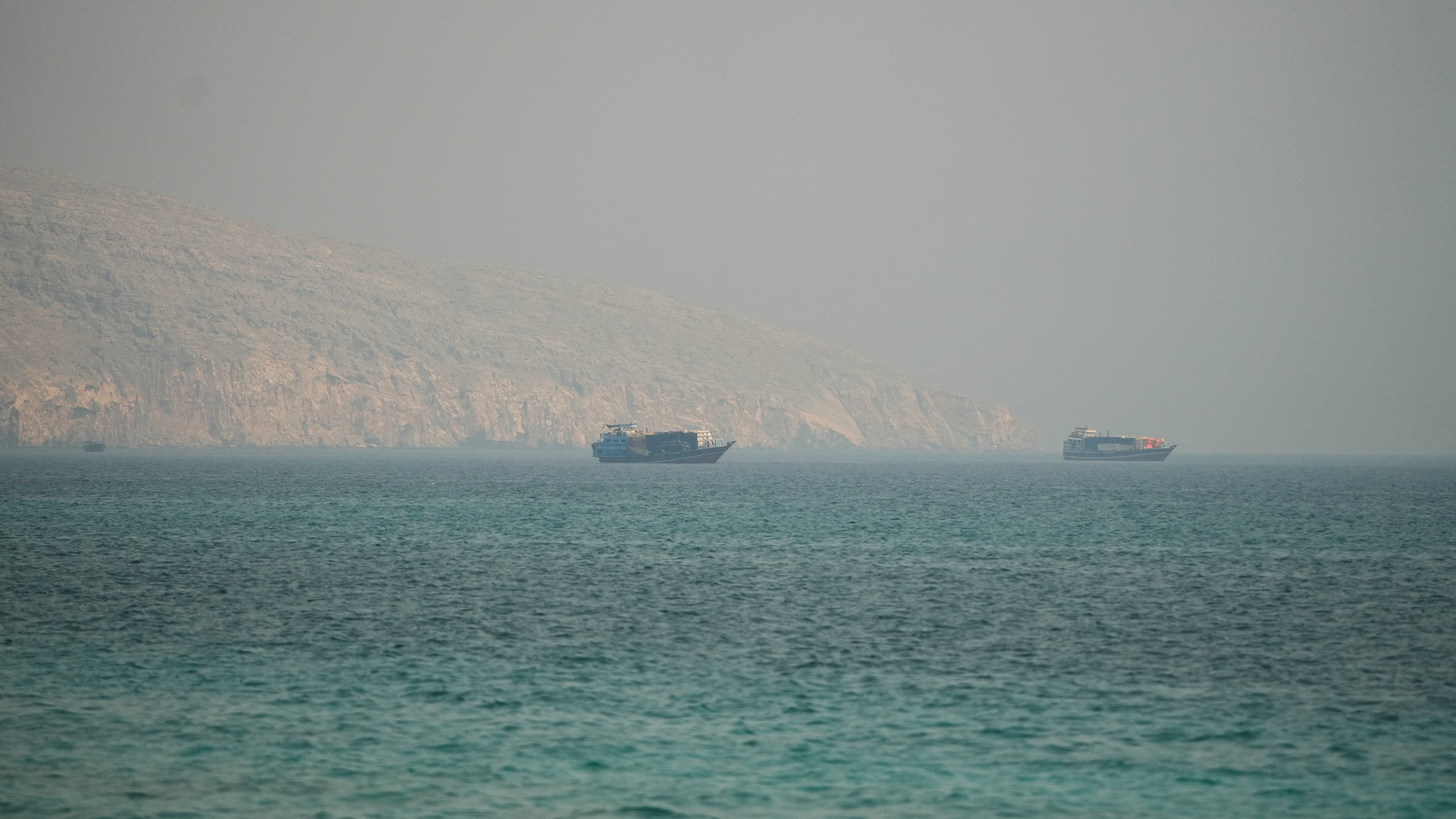
Whether any enforceable outcome emerges from the session remains doubtful. Russia and China have consistently opposed Western attempts to pressure Iran through UN Security Council channels. The two permanent members previously vetoed a resolution condemning Iran over the Strait of Hormuz, leaving Western efforts to build a unified international front in considerable disarray, and their positions have not shifted.
For Pakistan, Friday’s abstention fits a recognizable pattern. Islamabad has maintained formal neutrality through the Iran-Israel conflict that escalated in 2025 and has declined to take positions that expose it to pressure from Western capitals or Gulf states with competing interests. Pakistan’s relationship with Saudi Arabia, a primary source of financial support and overseas remittances, sits in ongoing tension with historical gas pipeline negotiations and trade ties with Tehran. Successive governments in Islamabad have chosen not to openly break with either side.
Iran’s foreign minister Abbas Araghchi has pressed the procedural challenge to Western-convened Security Council meetings on the nuclear file in both closed consultations and public sessions. Earlier this year, as tensions over Araghchi’s travel to New York for a UNSC session drew US attention, Tehran demonstrated a willingness to challenge the legal format of these meetings as a central element of its diplomatic strategy.
Iran’s domestic calculus adds further complexity. Supreme Leader Ali Khamenei and President Masoud Pezeshkian have maintained that Iran will not negotiate under coercive conditions. Iranian officials have pointed to the American withdrawal from the JCPOA in 2018 as evidence that any future agreement must include stronger enforcement mechanisms not contingent on Washington’s participation. European negotiators continue to argue the existing framework is recoverable. Any informal diplomatic track that may be running has not been disclosed publicly by either side.
What the July 10 session clarified, above all else, was the shape of the terrain heading into any prospective negotiations. Several council members declined to endorse either the European framing or Iran’s rebuttal. Pakistan’s abstention, publicly acknowledged by Tehran, places Islamabad among the states declining to treat the particular legal basis for this convening as legitimate. That positioning will be factored into Tehran’s calculations regardless of which diplomatic track eventually gains traction.