
WASHINGTON – Three weeks after the last American missile struck an Iranian radar installation, prices at the gas pump finally moved in the other direction. In June, they fell nearly 10 percent.
The Bureau of Labor Statistics said Tuesday that the consumer price index declined 0.4 percent from May, the steepest single-month drop since April 2020, pulling the annual inflation rate to 3.5 percent from 4.2 percent in May. That is the largest one-month improvement in the year-over-year comparison since early 2024.
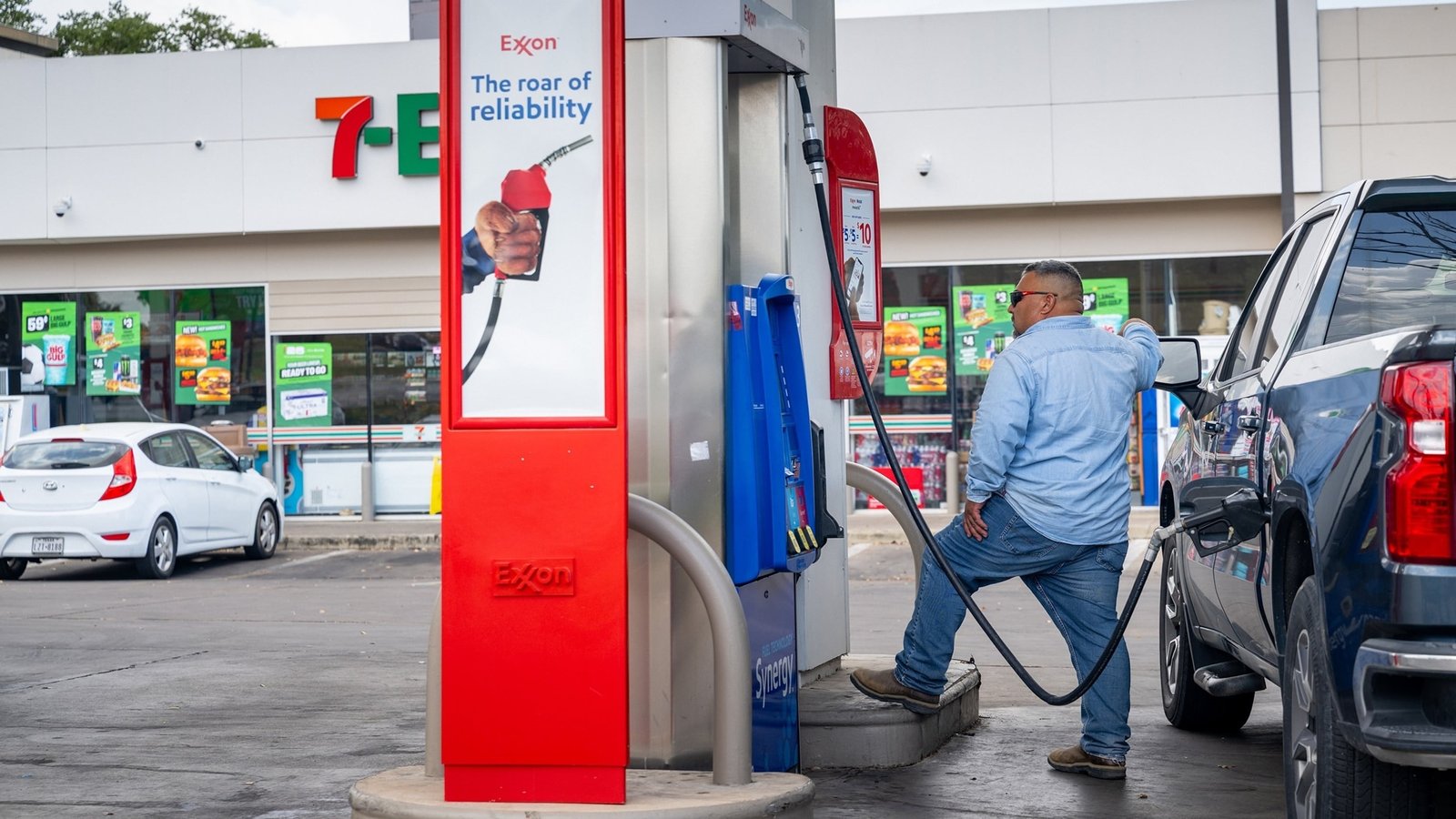
Energy drove almost the entire move. The energy index fell 5.7 percent in June, with gasoline alone dropping 9.7 percent. That decline traced to the brief pause in US-Iran hostilities in mid-June, which temporarily eased pressure on Strait of Hormuz shipping and pulled crude oil from its war-era peaks. The Bureau of Labor Statistics described the overall decline as the largest one-month decrease since April 2020, citing gasoline as the dominant contributor.
Federal Reserve Chairman Kevin Warsh told reporters Tuesday the Fed had no tolerance for persistently elevated inflation and that high inflation had been an undue burden on American households and businesses. He declined to signal a rate cut, saying the central bank would assess the data in its totality at each meeting, a formulation he has deployed consistently since taking the chair in February. Markets priced in roughly a 45 percent chance of a quarter-point reduction by September, down from about 60 percent before the latest oil rebound.
Core inflation, which excludes food and energy, came in flat on the month, its first zero reading since before the Iran conflict began. Year over year, core prices rose 2.6 percent, a slight improvement and the first reading approaching the Federal Reserve’s 2 percent target in more than a year. Shelter costs contributed less drag than at any point since January 2021: the shelter index gained 0.1 percent and owners’ equivalent rent climbed 0.2 percent. The year-over-year shelter rate fell to 3.3 percent, still elevated but moving in the right direction for policymakers watching the stickiest piece of the index.
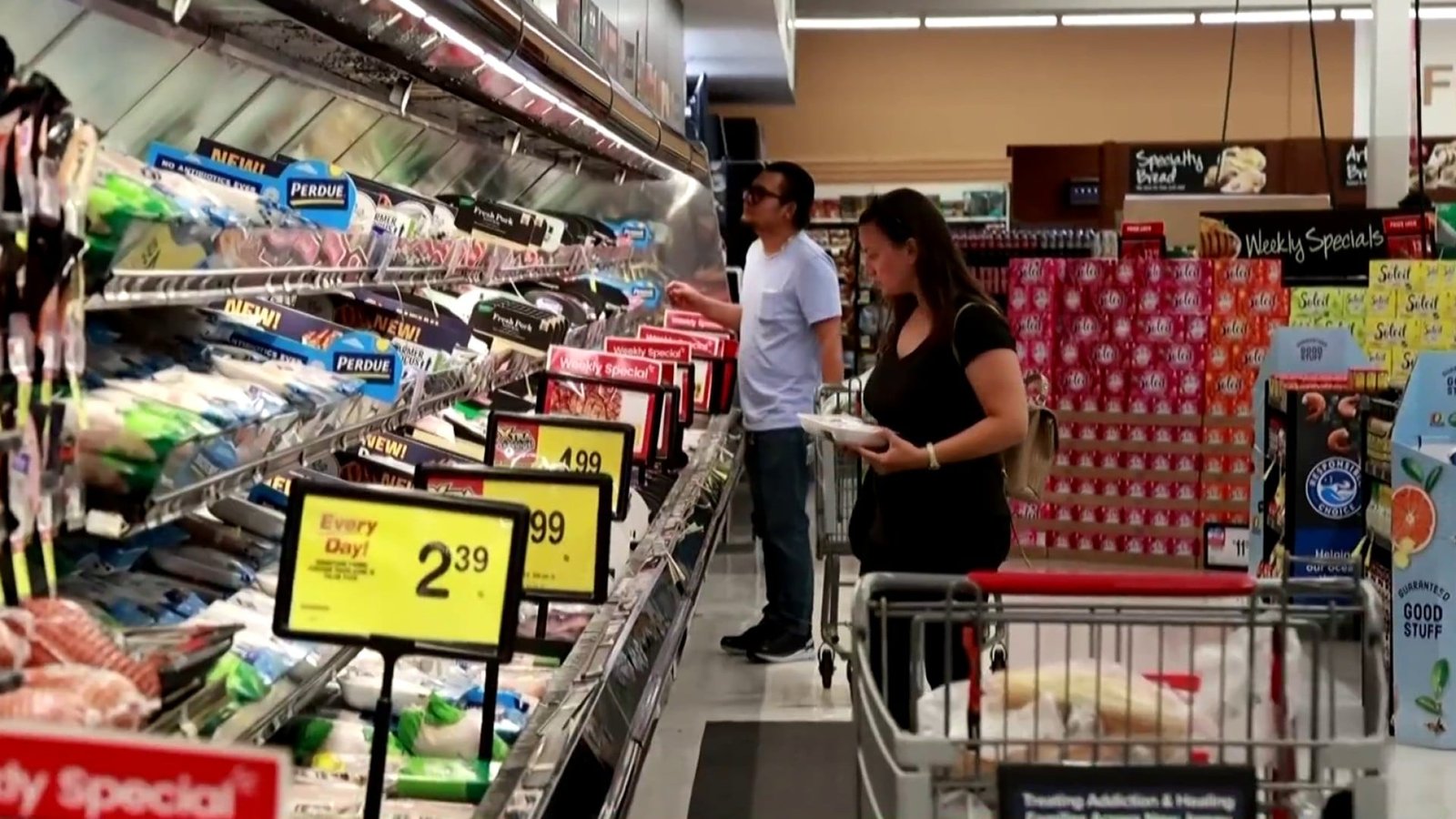
Food provided no corresponding relief. The food-at-home index rose 0.2 percent in June, with four of the six major grocery categories posting gains. Cereals and bakery products led the increases while meats and dairy held roughly flat. Food away from home climbed 0.2 percent, and full-service restaurant prices rose 0.4 percent. Year over year, food inflation ran at 3.0 percent.
Technology cut in the other direction. Computer software and accessories jumped 2.3 percent in a single month, taking their year-over-year gain to 17.4 percent as AI-driven demand continued pushing prices higher across consumer and enterprise product lines. Motor vehicle insurance, a persistent source of inflation pain for two years, fell 2.0 percent on the month, though its annual gain remained elevated.
The relief from gasoline may already be unwinding. Brent crude climbed back toward $87 a barrel as fresh US strikes on Iranian fuel-storage facilities renewed concern about Strait of Hormuz access, sending crude more than 9 percent above the level that produced June’s favorable gasoline reading. July’s energy component could give back a significant portion of June’s decline before the next CPI report arrives.
The June reading marks a sharp reversal from May’s 4.2 percent annual rate, which had been the highest reading since early 2023, driven by the Iran war’s toll on energy costs and by President Trump’s tariffs on Chinese imports. Those tariffs remain fully in effect. The administration cited June’s data as evidence its economic policies were working, though the White House declined to address the role of Iran-war oil movements in the improvement.
Warsh, who made clear at the ECB’s Sintra forum two weeks ago that forward guidance was finished and each meeting would be judged on fresh data, faces a difficult next step. One favorable inflation print, arriving at the same moment that oil is reversing course, does not constitute a trend. If July’s energy costs spike in line with the crude rebound, the September meeting could arrive with headline inflation back above 4 percent.
Economists polled by NBC News had expected a year-over-year reading of 3.6 percent, making June’s 3.5 percent a modest beat. The BLS noted that June marked the lowest annual inflation reading since March 2026, though it cautioned that base effects would become less favorable in coming months.
The Fed’s next scheduled decision falls on September 17. Between now and then it will receive one more CPI print, for July, capturing how much of the oil rebound has fed through to consumers at the pump and in their utility bills. June offered the clearest evidence yet that the Iran war’s inflationary impact can reverse as quickly as it emerged. Whether it stays reversed depends on a geopolitical standoff that no economic model is positioned to predict.